
Table of Contents
**32 Minutes to the Perfect Boiled Egg Texture**
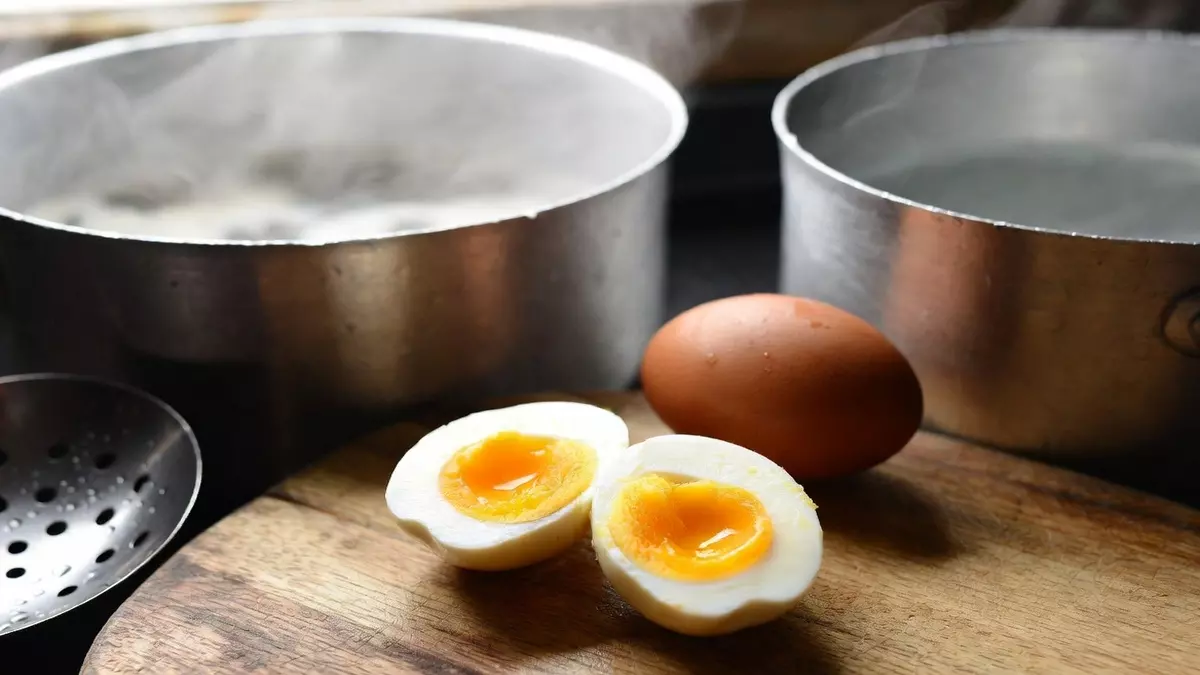
Breakfast lovers and home cooks have long accepted a compromise when boiling eggs: a firm white often comes with a chalky, overcooked yolk. But new research from Italian scientists offers a smarter approach that delivers the best of both worlds—a perfectly creamy yolk paired with a fully set white—using a precise 32-minute periodic cooking technique.
This method isn’t just another kitchen hack. It applies physics and careful temperature control to treat the egg’s yolk and white almost as separate ingredients, solving a common frustration for anyone who cares about egg texture.
32 Minutes to the Perfect Boiled Egg Texture
### The Science Challenge of Cooking the Perfect Egg
Eggs seem simple, but their internal structure creates a real cooking puzzle. The yolk begins to set around 149°F (65°C), while the egg white needs significantly higher heat—closer to 185°F (85°C)—to firm up properly. Traditional boiling at 212°F (100°C) pushes the entire egg into the hot zone, which can easily overcook the delicate yolk, leading to that dry, grayish ring many of us remember from school lunches or rushed mornings.
Sous vide cooking solved part of the problem by holding eggs at a steady lower temperature for creamy yolks, but it often leaves the whites too soft and runny for classic boiled-egg fans. The new periodic cooking method bridges this gap through strategic temperature cycling.
### How the 32-Minute Periodic Egg Method Works
Researchers developed a technique called periodic cooking that involves gently moving a whole egg between two water baths every two minutes for a total of 32 minutes—completing eight full cycles.
– One pot holds vigorously boiling water at 212°F.
– The other maintains a much cooler 86°F (30°C) temperature.

By alternating short bursts in the hot water with cooling periods, heat transfers differently through the egg. The white, closer to the shell, heats up and sets more thoroughly during the hot phases, while the yolk in the center stays closer to its ideal creamy temperature range without overheating.
This back-and-forth motion prevents the yolk from experiencing the same sustained high heat as a standard boil, resulting in a luxurious, spreadable texture that one researcher described as almost like spreading it on toast.
### The Research Behind the Breakthrough
The study was led by Emilia Di Lorenzo and Ernesto Di Maio at the University of Naples Federico II, with collaboration from Pellegrino Musto at the National Research Council’s Institute on Polymers, Composites and Biomaterials. Their team used advanced computational fluid dynamics modeling to predict how heat moves inside the egg during different cooking patterns. They then tested the theory in real kitchen-style conditions and analyzed the results.
Beyond visual inspection, the scientists evaluated texture, flavor, protein structure changes, and even chemical composition. The periodic method produced yolks with characteristics similar to low-temperature cooking while delivering whites that matched traditional hard-boiled results. They also noted potentially higher levels of certain polyphenols in the yolk compared to other methods, suggesting that cooking technique can influence more than just mouthfeel.
This builds on earlier work in journals like *Food Biophysics* and *Food Chemistry*, which explored how precise temperature and timing affect egg proteins and final quality. The new research turns those insights into a practical, repeatable process.
### Step-by-Step Guide to Making a Periodic 32-Minute Egg at Home
While it requires more attention than a set-it-and-forget-it boil, the method is straightforward with basic kitchen tools:
1. **Prepare your stations**: Set up two pots or heat-safe containers. Bring one to a rolling boil. Fill the other with water and use ice or cool tap water to maintain around 86°F—use a thermometer for accuracy.
2. **Start the egg**: Gently lower a room-temperature egg into the boiling water for the first two-minute interval.
3. **Cycle the temperatures**: Every two minutes, carefully transfer the egg to the cooler bath using a slotted spoon. Repeat this alternation eight times until you reach the full 32 minutes.
4. **Finish and cool**: After the final cycle, transfer the egg to an ice bath to stop the cooking process. This also makes peeling easier.
5. **Peel and enjoy**: Once cooled, peel under running water. The result should be a firm yet tender white surrounding a silky, creamy yolk.
Tips for success: Use fresh eggs for best results, though slightly older ones peel more easily. Maintain consistent water temperatures—small fluctuations matter. For multiple eggs, work in small batches to keep timing precise.
### Why This Method Delivers Superior Texture and Potential Benefits
The beauty of periodic cooking lies in its physics. The shell and outer layers respond quickly to temperature changes, while the yolk heats more slowly due to its position and composition. This creates a natural gradient that favors the ideal doneness for each part.
Home cooks who try it often report a noticeable upgrade: no more green-tinged yolks or rubbery whites. The creamy yolk spreads beautifully on toast, works wonderfully in salads, or elevates simple avocado toast. Some early testers also appreciate the subtle flavor improvements that come from gentler protein handling.
On the nutrition side, the method’s controlled heat may help preserve or enhance certain beneficial compounds, though more research is needed. For anyone focused on maximizing the quality of their meals, this approach represents thoughtful cooking at its finest.
### Practical Considerations: Is 32 Minutes Worth It?
For busy weekdays, the classic 6- to 12-minute boil remains practical and perfectly acceptable. But for weekend brunches, special occasions, or culinary experiments, the 32-minute method shines. It’s ideal for food enthusiasts, home chefs testing new techniques, or parents wanting to create memorable breakfast experiences.
The process does demand patience and attention, but the payoff can transform an ordinary egg into something restaurant-worthy. As researcher Emilia Di Lorenzo noted, the yolk achieves that perfect spreadable consistency that enhances many dishes.
### Broader Lessons from Egg Science
This study highlights how science can refine even the most basic kitchen tasks. Understanding heat transfer and material properties isn’t just for labs—it can improve everyday cooking. The principles may also apply to other foods and even industrial processes where precise texture control matters.
It’s a reminder that small adjustments in technique can yield meaningful improvements in results, sustainability (less wasted overcooked eggs), and enjoyment of simple meals.
### Prevention and Variations for Better Eggs Every Time
Mastering egg cooking starts with quality ingredients and proper storage. Keep eggs in the fridge but let them come to room temperature before cooking to reduce cracking. For easier peeling, add a teaspoon of baking soda to the boiling water or use the ice bath method consistently.
Variations on the periodic theme could include adjusting cycle times or temperatures based on egg size. Large eggs may need slight tweaks, while extra-large ones benefit from careful monitoring. Once comfortable with the basic method, experiment with starting in cooler water or adding herbs to the baths for infused flavors.
### Conclusion: Redefining Breakfast with Science
The quest for the perfect boiled egg just got more interesting thanks to Italian researchers who proved that thoughtful temperature management beats the traditional all-or-nothing boil. While not everyone will adopt a 32-minute routine daily, knowing the technique exists opens new possibilities for those who value exceptional texture and quality.
Next time you crave eggs done right, consider giving this physics-backed method a try. It turns a humble breakfast staple into a showcase of smart cooking that delivers creamy centers and firm whites every time. In the end, great food often comes down to respecting the science behind the ingredients—and this study delivers a delicious lesson.
### FAQ: The 32-Minute Perfect Egg Method
**1. Does the 32-minute periodic egg method really work better than regular boiling?**
Yes, tests showed it achieves a creamy yolk similar to sous vide while producing a properly firm white like traditional hard-boiled eggs. The alternating temperatures solve the usual compromise.
**2. What equipment do I need to try periodic egg cooking at home?**
Two pots or containers, a thermometer, a slotted spoon, and a timer. An ice bath for cooling is also helpful. No fancy sous vide equipment required.
**3. Can I cook multiple eggs at once with this technique?**
It’s best to cook in small batches of 2-4 eggs to maintain precise timing and temperature control. Larger quantities may require adjustments.
**4. How does the yolk texture compare to other methods?**
The periodic method produces a luxurious, spreadable yolk that many describe as ideal—creamy without being runny, perfect for toast, salads, or eating on its own.
**5. Is there any nutritional difference with the 32-minute method?**
Researchers observed higher polyphenol levels in the yolk compared to some other cooking styles, though the primary advantage remains superior texture and consistency.
**6. Why does moving the egg between hot and cool water make such a difference?**
The cycling allows the outer white to set fully during hot periods while keeping the inner yolk at a gentler temperature, preventing overcooking through controlled heat transfer.
This innovative approach proves that sometimes the best kitchen upgrades come from understanding basic science rather than adding more ingredients or gadgets. Your breakfast routine may never be the same.