
Table of Contents
- 1. Why Processed Meats Present Unique Risks to Developing Systems
- 1.1. The Problem with Caloric Displacement
- 1.2. Glycemic Volatility and Blood Sugar Spikes
- 1.3. Shaping Lifelong Palate Preferences
- 2. Simple Nutritional Swaps Children Will Enjoy
- 2.1. Harnessing the Sustained Energy of Whole Grains
- 2.2. Prioritizing the Produce Shield
- 2.3. Shifting to Heart-Healthy Plant Oils
- 2.4. Re-Evaluating Fluid Hydration Habits
- 3. Conclusion
- 4. Frequently Asked Questions
Why Processed Meats Present Unique Risks to Developing Systems
Bacon represents almost every dietary element that pediatric health researchers urge families to restrict. It is inherently dense in sodium, loaded with saturated fats, and treated with chemical preservatives like nitrates, all while delivering almost zero vital micronutrients compared to minimally processed whole foods.
This warning applies broadly across the entire category of processed meats, which includes conventional deli cold cuts, hot dogs, industrial sausages, and other heavily cured, salted, or chemically preserved products. For growing children, these dietary choices carry heightened significance for several distinct physiological reasons:

Why Processed Meats Present Unique Risks to Developing Systems
The Problem with Caloric Displacement
Because children have lower absolute daily caloric requirements than adults, the nutritional density of every single meal they consume carries a much larger proportional impact. When a substantial percentage of a child’s daily food intake consists of highly processed items, it effectively crowd out room for nutrient-dense alternatives. This displacement deprives developing bodies of essential vitamins, minerals, clean proteins, and dietary fiber necessary for optimal physical and cognitive maturation.
 Why Frozen Vegetables Are Actually Healthier Than Fresh, According to Nutritional Therapists
Glycemic Volatility and Blood Sugar Spikes
When salty, processed meats are routinely paired with refined carbohydrates—such as white sandwich bread, processed frozen waffles, or sugary breakfast pastries—it triggers rapid, volatile spikes in blood glucose levels. These sharp increases are inevitably followed by sudden energy crashes, leaving children feeling fatigued, irritable, and unfocused throughout their school day.
[ Processed Breakfast ] ---> High Sodium & Simple Carbs ---> Sharp Glucose Spike ---> Fatigue & Irritability
[ Balanced Whole Foods ] --> Complex Carbs & Clean Protein --> Steady Energy Curves --> Sustained Focus
Shaping Lifelong Palate Preferences
Consistently introducing heavily salted and chemically enhanced meats during early childhood alters a child’s developing taste preferences. It conditions their palate to crave intensely salty, highly processed foods, establishing long-term dietary habits that can persist well into adulthood and increase the risk of chronic metabolic challenges later in life. Harvard’s foundational guidance emphasizes prioritizing overall diet quality over rigid, obsessive calorie counting; processed meats simply do not provide the foundational nutrition required to sustain steady growth, robust immune function, or balanced energy.
Simple Nutritional Swaps Children Will Enjoy
Transitioning away from processed breakfast staples does not require an exhausting, overnight transformation of your entire kitchen pantry. Implementing minor, incremental adjustments can significantly elevate the nutritional value of a family meal without sacrificing convenience, satisfying textures, or familiar comforting flavors.
 A Kitchen Staple for Longevity: Why a Top Medical Professor Calls This Food His Absolute Favorite
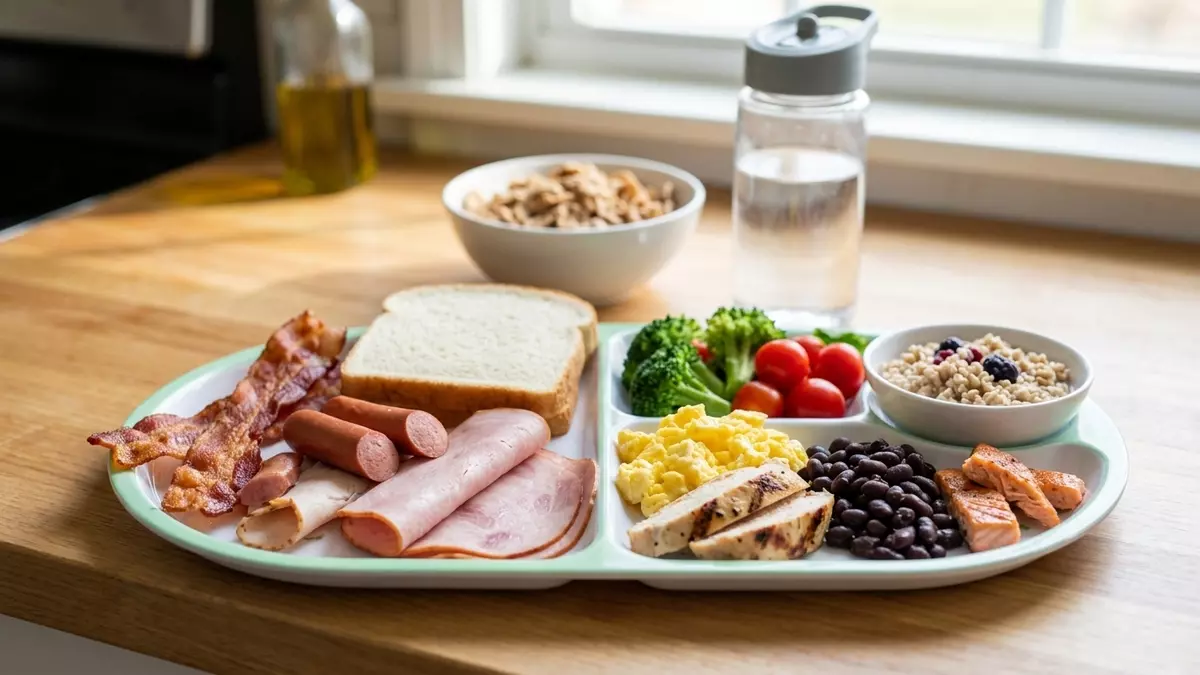
Fluffy scrambled eggs, oven-roasted chicken breast, or homemade baked chicken strips provide pristine, high-quality protein building blocks completely free from the industrial chemical preservatives found in cured deli meats.
Incorporating adaptable, budget-friendly plant proteins like black beans, chickpeas, and lentils delivers clean protein alongside complex carbohydrates and prebiotic fiber, perfect for filling breakfast tacos or rice bowls.
Introducing wild-caught salmon, flaked cod, or convenient canned tuna packed in pure water supplies critical omega-3 fatty acids that actively support healthy neurological and cognitive development in young minds.

Harnessing the Sustained Energy of Whole Grains
Swapping out refined white breads and processed cereals for nutrient-rich whole grains like steel-cut oatmeal, nutty quinoa, brown rice, and 100% whole-wheat pastas ensures a slow, measured release of glucose into the bloodstream. This sustained energy release keeps children feeling full and focused for hours, especially when paired with colorful fresh vegetables or clean proteins.
Prioritizing the Produce Shield
Harvard’s healthy eating guidelines strongly encourage parents to fill exactly half of a child’s plate with a vibrant variety of colorful fruits and vegetables. This plant-forward approach ensures their bodies are continuously flooded with the essential vitamins, minerals, organic fiber, and cell-protecting antioxidants required to build robust immune defenses.
Shifting to Heart-Healthy Plant Oils
Replacing solid stick butter, margarine, and industrial spreads with cold-pressed extra virgin olive oil, avocado oil, or expeller-pressed canola oil supports cardiovascular wellness. These plant-derived lipids deliver healthy monounsaturated and polyunsaturated fats that assist growing bodies in absorbing fat-soluble vitamins efficiently.
Re-Evaluating Fluid Hydration Habits
Proper nutrition extends directly into what children drink throughout the day. Dietary experts advise limiting fruit juice consumption to a single, modest glass per day to minimize excess sugar intake. Furthermore, families should completely eliminate sodas, commercial sports drinks, and sweetened fruit punch varieties from their routines, utilizing clean, pure water as the absolute standard for daily hydration.
Conclusion
Swapping out processed meats like bacon does not mean removing joy, flavor, or comfort from your family’s kitchen table. Instead, it represents an intentional shift toward wholesome, nutrient-dense ingredients that help children grow up strong, resilient, and focused, without the physiological burdens imposed by high sodium and synthetic chemicals. Ultimately, achieving excellent pediatric wellness isn’t about implementing strict, unsustainable food restrictions; it is about consistently making better, whole-food choices that set your children up for a lifetime of vibrant health.
Frequently Asked Questions
Are organic or “uncured” bacon varieties a safe alternative for children?
The designation “uncured” can often be misleading for consumers. While these products do not utilize synthetic sodium nitrate, they are routinely treated with natural sources of nitrates, such as celery juice powder. During the cooking and digestive processes, these natural nitrates still convert into the same compound variations that experts advise limiting. While they may omit synthetic chemicals, they remain exceptionally high in sodium and saturated fats, meaning they should still be treated as an occasional luxury rather than a daily dietary staple.
How can I get my child to accept plant-based proteins like beans and lentils?
The most effective strategy for introducing legumes to skeptical children is blending them seamlessly into familiar, well-loved dishes. Try mashing black beans into seasoned taco meat, blending soft lentils directly into a traditional tomato pasta sauce, or air-frying chickpeas with a dusting of mild spices to create a crunchy, chip-like snack. Consistency is key, as it can often take multiple exposures before a child’s palate fully accepts a new texture.
What are the specific long-term health risks associated with high childhood sodium intake?
Consuming excessive amounts of sodium during formative childhood years can cause early elevations in blood pressure, putting premature strain on the cardiovascular system. Over time, a high-sodium diet can stiffen blood vessels, increase the long-term risk of developing adult hypertension, strain renal function, and alter metabolic health pathways.
Can children safely eat deli turkey or chicken slices on a daily basis?
While poultry-based deli meats are lower in saturated fat than beef or pork options, commercial pre-packaged sandwich slices remain heavily processed and exceptionally high in sodium to extend shelf life. If your child loves sandwiches, a much healthier approach is roasting a whole chicken or turkey breast at home over the weekend, slicing it thin, and utilizing it for school lunches throughout the week.
How much water should a school-aged child drink every day to stay properly hydrated?
As a general foundational guideline, children between the ages of 5 and 12 should aim to consume roughly 5 to 8 cups of pure, unflavored water daily, depending on their precise age, local climate conditions, and physical activity levels. Encouraging your child to carry a reusable, fun water bottle to school is an excellent way to help them establish healthy baseline hydration habits early on.