
Table of Contents
**Forearm Planks Build Stronger Core for Women Over 50**
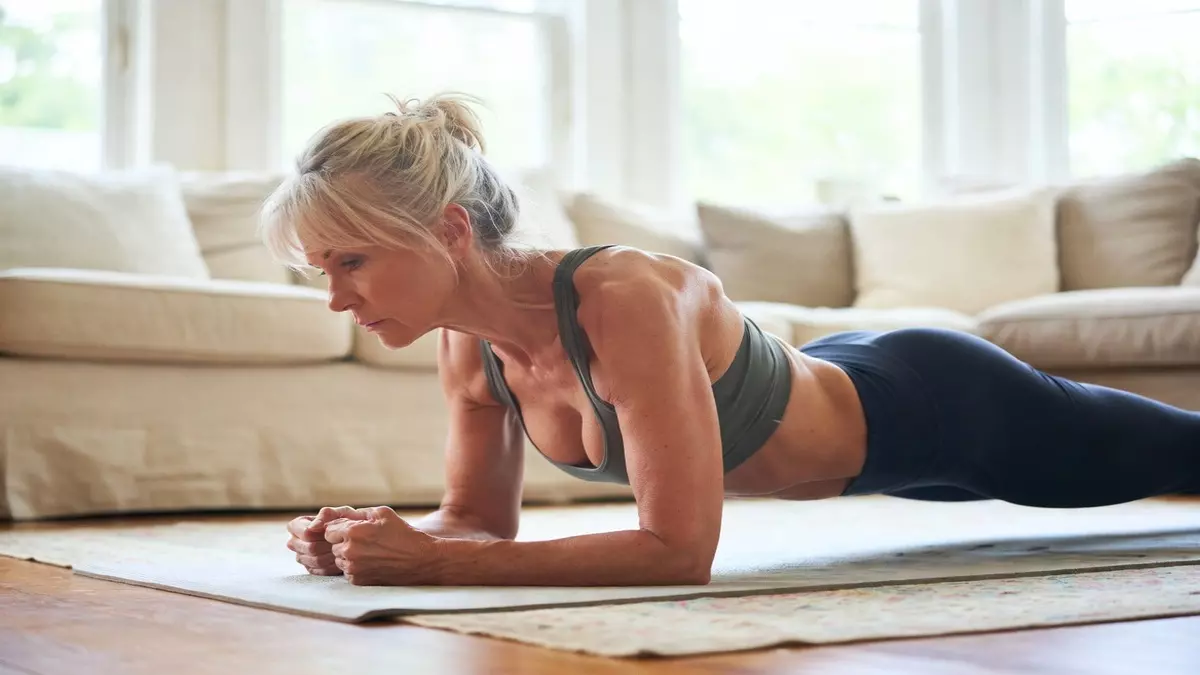
Maintaining a strong core becomes essential for women over 50 as hormones shift and daily demands continue. This simple yet powerful exercise supports better posture, reduces back pain risk, improves balance, and helps you move with confidence through your daily activities. Among the many options available, fitness experts consistently recommend the forearm plank as one of the most effective, low-impact moves for building lasting core strength during and after menopause.
The forearm plank requires no equipment and can be modified to match any fitness level. It targets deep stabilizing muscles that many traditional exercises miss, making it ideal for women seeking sustainable strength without high impact or complicated routines.

Forearm Planks Build Stronger Core for Women Over 50

### Why Core Strength Matters More After Age 50
As women enter their 50s and beyond, natural changes like decreased estrogen levels can lead to reduced muscle mass, weaker pelvic floor support, and increased vulnerability to lower back issues. A strong core acts as a natural brace for your spine, helping prevent injuries during everyday tasks like lifting groceries, getting out of bed, or playing with grandchildren.
Beyond physical support, a resilient midsection improves posture, which can alleviate neck and shoulder tension often experienced during this life stage. It also enhances balance, lowering fall risk—a significant concern as coordination and bone density change with age. Studies show that consistent core training contributes to better metabolic health, easier weight management, and greater overall functional independence.

The forearm plank stands out because it is isometric, meaning it builds strength through holding a position rather than repetitive spinal flexion. This approach minimizes strain on the lower back and neck compared to crunches or sit-ups, making it safer and more accessible for mature bodies.
### How to Master the Forearm Plank: Step-by-Step Guide
Performing the forearm plank correctly maximizes benefits while protecting your joints. Here’s exactly how to do it:

1. Begin by lying face down on a comfortable mat or carpet.
2. Position your elbows directly under your shoulders with forearms parallel or hands clasped.
3. Tuck your toes under and lift your body off the ground, forming a straight line from head to heels.
4. Engage your core by drawing your belly button toward your spine. Keep your neck neutral by looking at the floor slightly ahead.
5. Breathe steadily—avoid holding your breath.
6. Hold for 20–30 seconds when starting, gradually building up to 60 seconds or more as strength improves.
Aim for 3 sets, 2–3 times per week. Quality matters more than duration—focus on maintaining proper alignment throughout.
**Modifications for Different Fitness Levels**
– **Beginner version**: Perform on your knees while keeping the upper body alignment the same.
– **Wall-supported plank**: Face the wall and place forearms on it for a standing variation.
– **Advanced progression**: Add shoulder taps or leg lifts once basic form feels solid.
These adaptations ensure nearly every woman over 50 can participate safely and progress at her own pace.
### Key Benefits of Forearm Planks for Women Over 50
The forearm plank delivers comprehensive advantages that go well beyond aesthetics:
– **Deep Core Activation**: It primarily targets the transverse abdominis, the deepest abdominal layer that functions like a built-in corset, providing spinal stability and better pelvic control.
– **Improved Posture and Reduced Back Pain**: By strengthening the entire front and back core sling, planks help counteract the forward slump common from desk work or phone use.
– **Enhanced Balance and Stability**: The full-body engagement improves proprioception, making daily movements feel more secure.
– **Better Functional Strength**: Stronger core muscles make tasks like carrying bags, gardening, or traveling easier and safer.
– **Metabolic and Hormonal Support**: Muscle maintenance helps combat age-related metabolic slowdown and supports healthy body composition.
– **Mental Benefits**: Holding the position builds mental resilience and body awareness, which can reduce stress and improve mind-body connection.
Many women report noticing differences in how their clothes fit, how they stand taller, and how much easier everyday activities become within just a few weeks of consistent practice.
### Complementary Core Exercises to Pair With Planks
While the forearm plank forms an excellent foundation, adding variety prevents boredom and ensures balanced development. Try incorporating these moves 2–3 times weekly:
**Glute Bridge**
Lie on your back with knees bent and feet flat. Lift your hips toward the ceiling while squeezing your glutes and keeping your core engaged. Hold briefly at the top before lowering. This strengthens the posterior chain and works synergistically with planks for spinal support.
**Bird-Dog**
From a hands-and-knees position, slowly extend one arm forward and the opposite leg back. Hold for 3–5 seconds, then switch sides. This excellent move enhances coordination, balance, and anti-rotational core strength.
**Side Plank**
Lie on one side, propped up on your forearm. Lift your hips to create a straight line from head to feet. Hold and repeat on the other side. Side planks target the obliques and improve lateral stability crucial for preventing falls.
**Dead Bug**
Lie on your back with arms extended up and knees bent at 90 degrees. Slowly lower one arm and the opposite leg toward the floor while keeping your lower back pressed down. Return to start and alternate. This gentle exercise reinforces deep core control without spinal stress.
A complete 10–15 minute routine combining these movements provides excellent full-core conditioning with minimal time investment.
### Creating a Sustainable Core Routine for Busy Women Over 50
Consistency beats perfection when building strength after 50. Consider these practical tips:
– Schedule short sessions in the morning or after work when energy levels are higher.
– Use reminders on your phone or pair plank practice with an existing habit like morning coffee.
– Track progress by noting how long you can hold positions or how much steadier you feel during daily tasks.
– Combine core work with walking, swimming, or gentle yoga for well-rounded fitness.
– Stay hydrated and focus on protein-rich meals to support muscle recovery.
Listen to your body. Mild muscle fatigue is normal, but sharp pain or joint discomfort means it’s time to modify or rest.
### Common Mistakes to Avoid With Forearm Planks
Even simple exercises can cause issues when form slips. Watch out for:
– Sagging hips, which reduces core engagement and strains the lower back.
– Lifting hips too high, turning the move into more of a downward dog position.
– Holding your breath, which increases blood pressure unnecessarily.
– Overarching the neck or looking up, creating tension in the shoulders.
Film yourself occasionally or practice in front of a mirror to maintain proper alignment.
### Additional Lifestyle Factors That Enhance Core Results
Exercise works best alongside supportive habits. Prioritize quality sleep, manage stress through breathing exercises or meditation, and maintain good posture throughout the day. Strength training for the whole body, including light weights for arms and legs, complements core work beautifully. Consider working with a trainer or physical therapist initially if you have pre-existing conditions like osteoporosis or recent injuries.
### Real-World Results Women Are Experiencing
Women who incorporate forearm planks regularly often share stories of reduced daily aches, improved confidence in movement, and better energy levels. Many find they can continue favorite activities like hiking, dancing, or traveling with greater ease. The low-impact nature makes this exercise sustainable for years, supporting active aging rather than just short-term fitness goals.
**Conclusion**
The forearm plank offers women over 50 a practical, effective way to build a stronger, more resilient core without fancy equipment or high-impact stress. By focusing on proper form and gradual progression, combined with complementary moves like glute bridges, bird-dogs, and side planks, you can enhance stability, posture, balance, and overall quality of life.
Small consistent efforts compound into noticeable improvements in how you feel and function every day. Start today with just a few seconds of practice, and you’ll likely be amazed at how much stronger and steadier you become in the weeks and months ahead. Your future self will thank you for investing in this simple but powerful habit.
### FAQ: Forearm Planks and Core Strength for Women Over 50
**1. How long should women over 50 hold a forearm plank?**
Beginners should start with 20–30 seconds and gradually build to 60 seconds or longer. Focus on maintaining good form rather than pushing for maximum time.
**2. Are planks safe for women with lower back pain?**
Yes, when performed correctly with proper alignment. The isometric hold strengthens stabilizing muscles without the spinal flexion that can aggravate discomfort. Consult your doctor if you have specific concerns.
**3. How often should I do planks each week?**
Two to three sessions per week with rest days in between works well for most women. Consistency over intensity delivers the best long-term results.
**4. Can planks help with belly fat after menopause?**
Planks strengthen the core and support overall fat loss when combined with balanced nutrition and regular movement. They improve muscle tone and posture for a firmer appearance.
**5. What’s the best time of day to do core exercises?**
Morning or early afternoon often works best for energy and consistency, but any time you can commit regularly is effective. Pairing with an existing routine helps build the habit.
**6. Do I need equipment for effective core training?**
No. Bodyweight exercises like planks, bridges, and bird-dogs provide excellent results. A simple yoga mat adds comfort but isn’t required.
**7. How soon will I notice benefits from forearm planks?**
Many women report feeling stronger and more stable within 2–4 weeks. Posture improvements and reduced daily aches often appear first, with continued gains over months of regular practice.