
Table of Contents
**Power Training 2025: Why It’s the Smartest Way to Build Strength**
Fitness trends come and go, but power training has exploded in popularity this year for good reason. Gyms, physical therapy clinics, and home workout spaces are buzzing with talk of explosive movements, speed-focused lifts, and functional strength gains that actually translate to real life. Whether you’re a busy professional in your 30s, an athlete chasing performance, or someone over 50 wanting to stay independent, power training offers a fresh approach that goes beyond traditional weightlifting.
This isn’t just another fleeting fad. Growing research and practical results show power training builds muscle, improves speed, enhances balance, and supports long-term mobility better than slow, heavy lifting alone. In 2025, it has become the go-to method for people who want strength that matters outside the gym.
Power Training 2025 Why It’s the Smartest Way to Build Strength
### What Power Training Actually Is
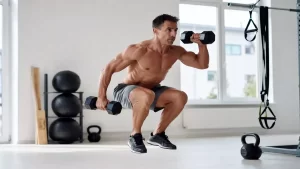
Power training combines strength with speed. It focuses on generating maximum force in the shortest amount of time possible. Classic examples include jump squats, medicine ball slams, explosive push presses, and quick kettlebell swings performed with control.
Traditional strength training emphasizes how much weight you can move slowly. Power training asks a different question: how quickly and explosively can you move that weight? This trains fast-twitch muscle fibers — the ones responsible for quick reactions, jumping, sprinting, and catching yourself when you trip.
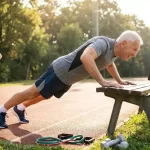
The result is functional power that improves everyday activities. Standing up quickly from a low chair, carrying heavy groceries up stairs, reacting to sudden changes while walking, or playing with grandkids all become easier and safer.
### Why Power Training Is Surging in Popularity Right Now
Several factors have converged in 2025 to make power training mainstream. First, more people understand that pure strength without speed has limitations as we age. Second, technology has made it safer and more accessible. Third, busy lifestyles demand efficient workouts that deliver fast results.

Rehab centers and senior fitness programs have led the charge. Pneumatic resistance machines, which use air pressure instead of iron plates, allow high-speed movements with minimal joint stress. Brands like HUR have made these tools common in wellness facilities because they reduce injury risk while maximizing power development.
Athletes have long used power training for better performance in sports like basketball, tennis, soccer, and CrossFit. Now everyday fitness enthusiasts are catching on because the benefits extend far beyond the playing field.
### Key Benefits of Power Training for Muscle Gain and Daily Life
Power training delivers impressive results across multiple areas:
**Faster Muscle Gains and Strength**
Explosive movements recruit more muscle fibers in each rep. This leads to greater overall muscle activation compared to traditional slow lifts, supporting both hypertrophy (muscle growth) and raw strength.
**Improved Balance and Fall Prevention**
For adults over 50, power training stands out. One study showed seniors improved functional abilities nearly four times more with power-focused routines than with conventional strength training. Better reaction times and quicker force production directly reduce fall risk.
**Enhanced Athletic Performance**
Speed, agility, and coordination improve dramatically. Athletes notice quicker sprints, higher jumps, and better change-of-direction ability.
**Better Metabolic Health**
The high-intensity nature of power sessions boosts metabolism and supports fat loss while building lean muscle. Many people report improved energy levels and insulin sensitivity.
**Joint-Friendly Training**
Modern equipment and proper programming make power training accessible even for those with previous injuries or arthritis. Controlled explosive movements build resilience without excessive strain when done correctly.
**Mental and Functional Independence**
The confidence that comes from moving powerfully carries over into daily life. People feel more capable, which often leads to staying more active overall.
### How Power Training Differs from Traditional Strength Training
Traditional lifting builds a strong foundation through controlled, slower repetitions. Power training adds the speed element, teaching your nervous system to fire muscles rapidly. This combination creates “usable” strength that traditional methods alone may miss.
For example, a heavy back squat builds leg strength. A jump squat or speed squat adds power, training your body to use that strength quickly. Both have value, but combining them produces superior real-world results.
### Safe Ways to Start Power Training in 2025
Getting started doesn’t require fancy equipment or advanced skills. Focus on quality movement and gradual progression.
**Beginner-Friendly Power Exercises**
– **Bodyweight Jump Squats**: Lower into a squat and explode upward. Land softly and repeat.
– **Step-Ups with Drive**: Step onto a sturdy box or bench and drive the knee upward explosively.
– **Medicine Ball Chest Passes or Slams**: Throw the ball with power against a wall or to the ground.
– **Kettlebell Swings**: Hinge at the hips and swing the bell explosively using glute and core power.
**Intermediate Progressions**
Add light dumbbells or resistance bands. Focus on Olympic lift variations like power cleans (with proper coaching) or push presses. Incorporate plyometric push-ups or bounding drills.
**Advanced Options**
Use barbells for speed squats, incorporate plyometric circuits, or train on pneumatic machines for joint-friendly high-speed resistance.
**Sample 20-30 Minute Power Session**
1. Dynamic Warm-up (5 minutes)
2. Jump Squats – 3 sets of 8-10
3. Medicine Ball Slams – 3 sets of 12
4. Kettlebell Swings – 3 sets of 15
5. Explosive Push Presses – 3 sets of 8
6. Core Finisher (plank variations with shoulder taps)
Rest 60-90 seconds between sets. Keep sessions short and intense for best results.
### Important Safety Guidelines for All Ages
Power training is highly effective but requires respect for form and recovery.
– Always warm up thoroughly.
– Master basic movements before adding speed or weight.
– Prioritize controlled landings and soft joints.
– Start with bodyweight or light loads.
– Allow full recovery between power sessions (48 hours is ideal for most people).
– Work with a trainer or physical therapist if you have injuries or are new to exercise.
Men and women over 40 or 50 benefit greatly but should emphasize quality over maximum intensity initially. Listen to your body and scale movements as needed.
### Technology Making Power Training More Accessible
Pneumatic resistance systems have been a game-changer. Unlike traditional weights, air-powered machines provide consistent resistance throughout the full range of motion at high speeds without the momentum that can stress joints. This innovation has opened power training to older adults, rehab patients, and anyone seeking safer explosive work.
Many gyms now offer hybrid classes that blend power movements with traditional strength and mobility work for well-rounded results.
### Nutrition and Recovery for Optimal Power Gains
To maximize benefits from power training:
– Eat enough protein to support muscle repair (1.6–2.2 grams per kg of body weight).
– Include carbohydrates around workouts for energy.
– Prioritize sleep and stress management.
– Consider mobility work and foam rolling on rest days.
### Long-Term Results and Who Benefits Most
Power training shines for almost everyone:
– Young adults building athleticism
– Midlife professionals fighting age-related muscle loss
– Seniors preserving independence
– Athletes seeking performance edges
– Anyone recovering from injury under professional guidance
The functional focus makes it especially valuable as we age. Maintaining power helps preserve quality of life and reduces injury risk in daily activities.
### Conclusion: Why Power Training Deserves a Place in Your Routine
The 2025 power training boom reflects a smarter approach to fitness. It moves beyond aesthetics to build strength you can actually use. Whether your goal is muscle gain, better balance, faster recovery from daily demands, or long-term independence, incorporating power elements can accelerate progress.
Start small, focus on form, and stay consistent. The combination of strength and speed creates powerful results that traditional training alone often misses. Your future self — whether climbing stairs easily at 70 or dominating weekend sports at 45 — will thank you for making the switch.
Power training isn’t about chasing trends. It’s about training smarter for a stronger, more capable body at any age. The momentum is real in 2025, and the benefits are too good to ignore.
### FAQ: Power Training Questions Answered
**1. Is power training safe for beginners or older adults?**
Yes, when started gradually with proper form. Bodyweight movements and professional guidance make it accessible and joint-friendly for most people.
**2. How often should I do power training workouts?**
2–3 sessions per week with at least one rest day between them allows optimal recovery and adaptation.
**3. Do I need special equipment for power training?**
No. Bodyweight exercises, dumbbells, kettlebells, and medicine balls work great. Advanced options include pneumatic machines or barbells.
**4. Can power training help with weight loss?**
Absolutely. The high-intensity nature boosts metabolism and builds muscle, which supports fat loss when combined with proper nutrition.
**5. What’s the difference between power training and plyometrics?**
Plyometrics are a subset of power training focused on jumping and rebounding movements. Power training includes a broader range of explosive lifts and throws.
**6. How long until I see results from power training?**
Many people notice better energy, coordination, and strength within 4–6 weeks. Consistent training for 8–12 weeks produces more significant muscle and performance gains.
**7. Should I combine power training with traditional strength work?**
Yes. Many successful programs blend both approaches for complete development — building a strength base while adding power for functional performance.
This powerful training method is transforming how people approach fitness in 2025. Give it a try and experience the difference explosive, functional strength can make in your life.