
Table of Contents
**How Bodybuilding Gave This MSU Student Strength After Tragedy**
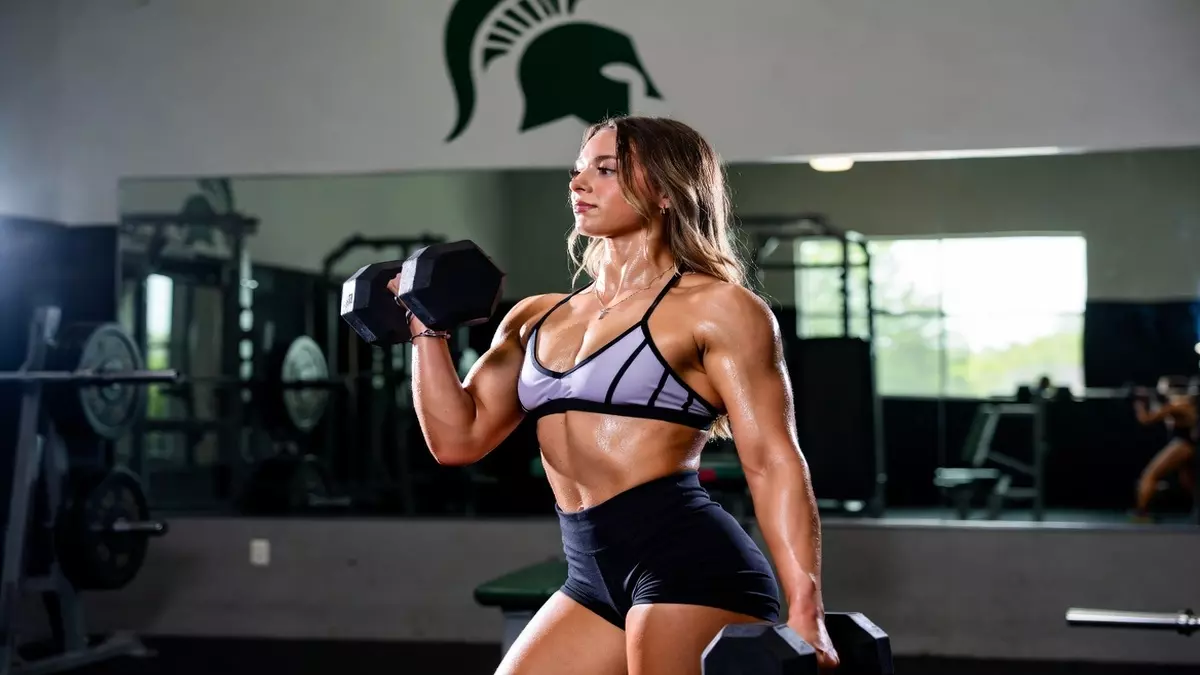
When life throws devastating curveballs, some people discover unexpected sources of resilience. For Kayla Rawlins, a 21-year-old digital storytelling major at Michigan State University, competitive bodybuilding became far more than a pursuit of physical transformation. After losing her childhood home in a fire in January 2025, the sport provided structure, purpose, and mental fortitude during one of her toughest years.
Rawlins’ journey shows how the discipline of bodybuilding can serve as a powerful coping mechanism, helping young adults navigate grief, academic demands, and personal growth. Her story highlights the mental health benefits of structured training, offering inspiration for students and anyone seeking stability amid chaos.
How Bodybuilding Gave This MSU Student Strength After Tragedy
### Early Mornings and the Foundation of Discipline
Rawlins doesn’t hit the snooze button. Many days begin around 3:30 a.m. with cardio sessions that set the tone for everything else—classes, projects, meals, and training. At just 5-foot-1, she brings intensity and focus to a sport that rewards consistency as much as strength.
Competition prep is no small commitment. It involves weeks of precise meal planning, progressive training, and recovery strategies all aimed at stepping on stage in peak condition. “When you switch into that prep mode, you do everything on a schedule,” Rawlins explained. “You’re not skipping a single day.”

This level of structure proved invaluable after her family’s home was destroyed. What started as a family-influenced hobby evolved into a lifeline. Her parents were bodybuilders, and some of her earliest memories involve the gym daycare. She transitioned from competitive cheerleading in high school to serious weight training, drawn to the way lifting built both physical power and inner confidence.
Bodybuilding demands patience and repetition. Progress comes slowly through consistent effort, teaching athletes to show up even when motivation is low. For college students balancing heavy course loads, this discipline can translate into better time management and academic performance.
### How Tragedy Transformed Her Training Goals
The house fire in early 2025 upended Rawlins’ world. Instead of derailing her completely, it redirected her energy. Though she hadn’t initially planned to compete that year, the sport offered a clear goal when everything else felt uncertain.
“I kind of felt like I needed some kind of structure and a goal and a purpose to get me through the year,” she shared. The rigorous schedule of training, nutrition, and recovery gave her something positive to focus on amid the loss and displacement.
Of course, competition prep isn’t easy, especially alongside college life. In the later weeks, Rawlins experienced fatigue and brain fog while still attending lectures and completing assignments. Michigan State didn’t pause for her training, forcing her to master the art of balancing intense physical demands with intellectual ones.
This real-world test strengthened her resilience. Many student-athletes face similar juggling acts, and Rawlins’ experience demonstrates how structured fitness routines can provide emotional anchors during stressful periods.
### Stepping on Stage: A Victory Beyond the Trophy
In November 2025, Rawlins competed at the NPC Western Michigan Bodybuilding Championships in Kalamazoo. After more than 20 weeks of dedicated preparation, the event marked a triumphant milestone.
“You just feel like a princess because you did all this work for 20-plus weeks,” she recalled. “I was just on cloud nine the whole day.”
Her hard work paid off handsomely: first place in all three of her classes and second place overall. While the placements were rewarding, the deeper victory was personal. The competition symbolized reclaiming control and proving that one tragic event wouldn’t define her year.
The moment held special meaning for her family too. Her mother had stepped back from bodybuilding to raise children, making Rawlins’ success on stage an emotional full-circle experience. It also strengthened bonds with friends like Lydia Grembos, her freshman-year roommate and fellow bodybuilder. They celebrated post-competition with a shared Reese’s, a small but meaningful treat after months of strict dieting.
Grembos praises Rawlins’ work ethic and often seeks her advice on training splits, nutrition, and the mental challenges of prep. “She has a very strong work ethic,” Grembos noted. Their friendship highlights how bodybuilding communities foster support and accountability among students.
### Building Community and a Future Career Path
Rawlins extends her influence beyond the gym through social media. On TikTok, she shares honest glimpses of early morning sessions, meal prep struggles, cravings, and the mental side of competition. These videos demystify bodybuilding for outsiders, showing the human stories behind the sculpted physiques.
As a digital storytelling student, Rawlins sees potential to merge her academic interests with her passion. She hopes to create films, videos, or documentaries that explore the deeper narratives in bodybuilding culture—highlighting mental health, resilience, and personal growth.
Her online presence also builds a broader support network. Many followers connect with her experiences of using fitness as a coping tool during difficult times. This aspect of her journey aligns with growing research on exercise for mental health, where structured physical activity helps reduce anxiety, improve mood, and build self-efficacy.
### The Mental Health Benefits of Competitive Bodybuilding
Competitive bodybuilding offers unique psychological rewards that go far beyond aesthetics. The sport teaches goal-setting, delayed gratification, and perseverance—skills that transfer to academics, careers, and personal challenges.
For Rawlins, training provided a sense of control when external circumstances felt chaotic. The daily routines created predictability and accomplishment, countering feelings of helplessness after the fire. Many athletes report similar benefits:
– Enhanced self-confidence from pushing physical limits
– Improved focus and discipline that boosts academic performance
– A healthy outlet for stress and emotional processing
– Strong community connections that combat isolation
Of course, balance is essential. Rawlins experienced the physical and mental toll of intense prep, underscoring the need for sustainable approaches, proper recovery, and professional guidance when needed.
Students interested in trying bodybuilding should start gradually, prioritize form and nutrition, and listen to their bodies. Consulting coaches or trainers familiar with college schedules can help create realistic plans.
### Lessons for Students Facing Challenges
Rawlins’ story offers encouragement for other young adults navigating hardship. Whether dealing with family issues, academic pressure, loss, or uncertainty, structured activities like bodybuilding can provide purpose and resilience.
Key takeaways include:
– Establish small daily habits that create momentum
– Set meaningful goals that give direction during tough seasons
– Lean on supportive communities—friends, family, or training partners
– Celebrate non-physical victories like consistency and mental growth
– Use creative outlets (like Rawlins’ storytelling) to process experiences
Her journey also highlights the importance of seeking help when needed. While fitness helped her cope, professional counseling and support networks play vital roles in healing from trauma.
### What’s Next for Kayla Rawlins
Rawlins has already begun another competition prep cycle. Her long-term ambition is earning a professional bodybuilding card, but she remains grounded in the personal growth the sport continues to foster.
She views bodybuilding as transformative for how she sees herself—stronger, more capable, and resilient. As she finishes her degree, Rawlins plans to combine her passions, using media to shine light on the mental and emotional sides of strength sports.
Her experience proves that competitive bodybuilding can be both a physique journey and a powerful tool for mental health and personal development, especially for college students facing real-life adversity.
### Conclusion: Finding Purpose Through Discipline
Kayla Rawlins’ path from tragedy to triumph on the bodybuilding stage demonstrates the profound impact of commitment and routine. What began as a family tradition became a source of strength during her most challenging year, helping her rebuild with confidence and clarity.
For students and young adults everywhere, her story serves as a reminder that physical discipline often builds mental toughness. Whether through bodybuilding, running, team sports, or other structured activities, channeling energy into consistent effort can create stability and hope amid uncertainty.
Rawlins continues inspiring others through her training, competitions, and storytelling. Her success shows that with determination, even the hardest setbacks can fuel remarkable comebacks. If you’re facing your own obstacles, consider how a structured pursuit might provide the focus and resilience you need to move forward—one disciplined day at a time.
### FAQ: Competitive Bodybuilding, Mental Health, and College Life
**1. How does competitive bodybuilding help with mental health?**
It builds discipline, self-confidence, and a sense of control through structured routines, goal-setting, and measurable progress. Many athletes, like Kayla Rawlins, find it serves as a healthy coping mechanism during stressful periods.
**2. What is competition prep like for student bodybuilders?**
Prep involves weeks of strict meal planning, increased cardio, weight training, and recovery while maintaining academic responsibilities. It demands excellent time management and can be physically and mentally demanding.
**3. Can beginners start bodybuilding while in college?**
Yes. Start with basic weight training, focus on proper form, and gradually increase intensity. Consulting a coach and prioritizing sleep and nutrition helps balance it with studies.
**4. How did the house fire affect Kayla Rawlins’ training?**
The loss created emotional challenges, but bodybuilding provided structure and purpose. She channeled her energy into prep, which helped her regain a sense of direction.
**5. What advice does Kayla Rawlins have for other athletes?**
Stay consistent, even when motivation dips. Build a strong support network, and remember that the mental growth often outweighs physical results.
**6. Are there risks to intense bodybuilding prep?**
Yes, including fatigue, brain fog, and hormonal changes. Proper recovery, nutrition, and medical check-ins are essential, especially for students.
**7. How can someone use fitness as a coping tool after trauma?**
Start small with consistent routines, set achievable goals, and combine physical activity with other supports like counseling or creative outlets. Listen to your body and progress at your own pace.
Rawlins’ inspiring journey continues to unfold, proving that strength comes in many forms—both on and off the stage. Her story encourages others to find their own sources of resilience through discipline and purpose.