
Table of Contents
**Electric Stimulation Offers New Hope for Osteoarthritis Patients**
Living with osteoarthritis often feels like a daily battle between the need to stay active and the pain that makes movement difficult. Now, a promising approach is gaining attention: using gentle electrical pulses to stimulate muscles around affected joints. This method doesn’t just mask pain — it may help strengthen muscles and potentially influence the joint environment itself, offering a practical bridge for those struggling with traditional exercise.
Osteoarthritis impacts an estimated 595 million people globally, ranking as a top cause of chronic pain and reduced mobility. This degenerative condition affects cartilage, bone, ligaments, and surrounding muscles, making everyday tasks like climbing stairs, carrying groceries, or even standing up from a chair challenging. While there’s no cure, innovative strategies like neuromuscular electrical stimulation (NMES) are emerging as valuable tools to manage symptoms and support long-term function.
Electric Stimulation Offers New Hope for Osteoarthritis Patients

### Understanding Osteoarthritis Beyond Wear and Tear
Osteoarthritis involves more than simple joint breakdown from aging or overuse. It triggers complex changes throughout the joint structures, including inflammation, bone remodeling, and muscle weakening. These shifts create a vicious cycle: pain leads to less movement, which causes further muscle loss, stiffness, and increased stress on the joint.
The CDC emphasizes that while osteoarthritis can’t be reversed, proactive management through physical activity, weight control, and proper joint protection can significantly improve quality of life. Physical therapy, lifestyle adjustments, and in severe cases, joint replacement surgery remain standard options. However, getting started with exercise proves especially tough when every step hurts.

### The Critical Role of Muscle Strength in Joint Health
Strong muscles act as natural shock absorbers for your joints. They provide stability, absorb impact, and help distribute forces more evenly during movement. For people with knee, hip, or other joint osteoarthritis, building and maintaining this muscular support can reduce pain, improve balance, and preserve independence.
Research consistently shows that targeted strengthening exercises — such as walking, swimming, resistance band work, or low-impact aerobics — deliver meaningful benefits. Yet many patients face a frustrating barrier: the very activity recommended for relief often exacerbates their symptoms initially. This is where electrical muscle stimulation steps in as a game-changing alternative or complement.

### How Electrical Muscle Stimulation Works for Osteoarthritis
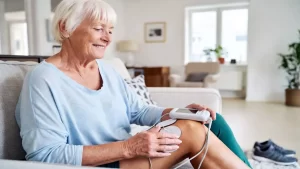
Neuromuscular electrical stimulation involves placing electrode pads on the skin over targeted muscles. A portable device then delivers controlled electrical pulses that cause the muscles to contract and relax, mimicking natural nerve signals from the brain.
The beauty of this approach lies in its ability to activate muscles with minimal joint movement. For someone with advanced hip or knee osteoarthritis, this means building strength without the painful loading that comes from weight-bearing exercise. Sessions can often be done at home, making it convenient for daily use.
Dr. Louise Burgess from Bournemouth University has explored neuromuscular electrical stimulation specifically for hip osteoarthritis patients who struggle with conventional workouts. Her work highlights how this technology addresses muscle weakness common in the condition.
### What the Research Says About Electrical Stimulation
Multiple studies support the potential of electrical stimulation for osteoarthritis management. A 2021 systematic review concluded that neuromuscular electrical stimulation shows promise for improving muscle function in both hip and knee osteoarthritis, as well as aiding recovery following joint replacement procedures.
In one study involving adults with advanced hip osteoarthritis, electrical stimulation successfully produced visible contractions in key knee-extending muscles for most participants. Researchers noted it was generally feasible and well-tolerated, offering a viable option for combating muscle loss.
Another pilot study examined home-based electrical stimulation programs for individuals preparing for total knee replacement. Participants experienced improvements in quadriceps strength, which may translate to smoother surgical recoveries. While some trials remain small, adherence rates were comparable to traditional exercise or education programs, suggesting the technology itself isn’t a major hurdle for many users.
Ongoing interest focuses not only on muscle strengthening but also on how these contractions might positively influence the broader joint environment — potentially improving circulation, reducing atrophy, and supporting better overall joint mechanics.
### Who Might Benefit Most from This Approach
Electrical muscle stimulation serves as an excellent bridge for several groups:
– People experiencing osteoarthritis flare-ups where normal movement feels unbearable
– Those preparing for or recovering from joint surgery
– Individuals with significant muscle weakness who need a low-pain entry point to activity
– Older adults seeking to maintain strength and independence
It works particularly well alongside other treatments rather than replacing them entirely. The goal remains helping patients return to voluntary movement and enjoyable physical activities as their comfort and strength improve.
### Practical Considerations and Safety Guidelines
While promising, electrical stimulation isn’t suitable for everyone. People with pacemakers, certain implanted devices, heart conditions, or specific nerve disorders should consult their healthcare provider before trying it. Some individuals find the sensation uncomfortable, though modern devices offer adjustable intensity levels for better tolerance.
Experts stress that this technology works best under professional guidance, at least initially. A physical therapist or doctor can recommend appropriate settings, electrode placement, and session duration tailored to your specific needs and joint involvement.
### Integrating Electrical Stimulation into a Comprehensive Plan
The most effective osteoarthritis management combines multiple strategies. Here’s how electrical stimulation fits in:
**Building a Strong Foundation**
Start with professional assessment to identify weak muscle groups. Combine stimulation sessions with gentle range-of-motion exercises and aquatic therapy when possible.
**Daily Integration Tips**
– Use stimulation during seated or lying positions to minimize discomfort
– Gradually increase intensity as tolerance builds
– Pair with simple movements once contractions become easier
– Track progress in pain levels, strength, and daily function
**Nutrition and Lifestyle Support**
Maintaining a healthy weight reduces joint stress significantly. Focus on anti-inflammatory foods, adequate protein for muscle repair, and proper hydration. Good sleep and stress management further enhance recovery.
**Long-Term Outlook**
Many users report better muscle activation, reduced stiffness, and increased confidence in moving. Over time, this can break the inactivity-pain cycle and support more natural exercise participation.
### Comparing Electrical Stimulation to Traditional Treatments
Unlike pain medications that primarily mask symptoms, electrical stimulation actively engages muscles. Compared to voluntary exercise alone, it offers a controlled way to work muscles even during painful periods. It also complements physical therapy by allowing more consistent muscle activation between sessions.
This isn’t a miracle cure, but rather a practical tool that expands options for personalized care. As research continues, electrical stimulation could become a standard recommendation for osteoarthritis management protocols.
### Conclusion: A Promising Path Toward Better Mobility
For the millions living with osteoarthritis, electrical muscle stimulation represents an exciting development. By safely activating muscles with minimal joint stress, it helps preserve strength, support recovery, and potentially create a more favorable environment within the joint itself.
If pain has kept you from staying active, talk to your healthcare team about whether this approach might be appropriate for you. Combined with proven strategies like weight management, proper nutrition, and gradual exercise progression, it could help you reclaim movement and enjoy daily life with less limitation.
Small steps — powered sometimes by gentle electricity — can lead to meaningful improvements in how you feel and function. The future of osteoarthritis care looks increasingly personalized, proactive, and empowering.
### FAQ: Electrical Muscle Stimulation for Osteoarthritis
**How does electrical stimulation differ from TENS units used for pain?**
TENS primarily targets pain signals through sensory nerves, while neuromuscular electrical stimulation focuses on causing actual muscle contractions to build strength and support joint function.
**How often should I use electrical stimulation for best results?**
Many protocols suggest 20-30 minute sessions several times per week, but this varies by individual needs and device recommendations. Always follow guidance from a qualified clinician.
**Is electrical stimulation safe for older adults with osteoarthritis?**
Generally yes, when used appropriately. It can be especially helpful for seniors who have difficulty with traditional strength training. Medical clearance is important for those with other health conditions.
**Can this therapy help before or after joint replacement surgery?**
Yes. Studies show potential benefits in prehabilitation to strengthen muscles before surgery and in rehabilitation to speed recovery afterward.
**Will electrical stimulation replace the need for exercise?**
No. It serves as a complement or temporary bridge. The ultimate aim is to help patients progress toward active, voluntary movement and long-term joint health.
**What should I look for in a quality electrical stimulation device?**
Choose FDA-cleared devices with adjustable parameters, good electrode quality, and clear instructions. Professional recommendation ensures the right type for osteoarthritis applications.
This emerging therapy adds a valuable option to the osteoarthritis management toolkit, helping more people stay strong, mobile, and engaged in life despite joint challenges.