
Table of Contents
**Watermelon Hydration Benefits Rival Plain Water**
Staying properly hydrated goes far beyond counting glasses of water. One delicious, nutrient-packed fruit stands out as a top performer: watermelon. With its exceptionally high water content and natural electrolytes, watermelon hydrates the body as effectively as plain water — and often better — while delivering vitamins, minerals, and antioxidants that plain H2O simply can’t match.
This juicy summer favorite offers a smart, tasty way to maintain fluid balance, support recovery after activity, and boost overall wellness. Whether you’re dealing with summer heat, post-workout needs, or simply struggling to drink enough fluids, incorporating watermelon and similar high-water fruits can transform your hydration strategy. Here’s why it works so well and how to make the most of these naturally hydrating options.
Watermelon Hydration Benefits Rival Plain Water

### The Science Behind Watermelon’s Superior Hydration
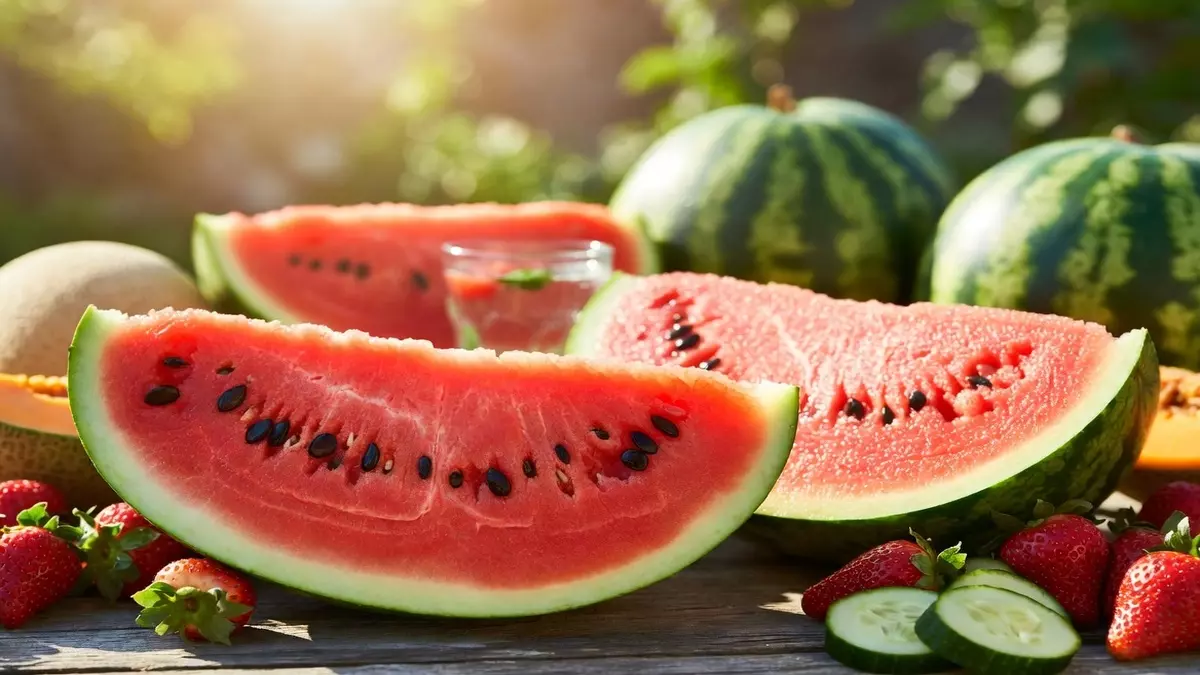
Watermelon earns its name with approximately 92% water content, making it one of the most hydrating foods available. This high percentage allows it to replenish fluids lost through sweat, breathing, and daily functions more efficiently than many realize. Unlike drinking water alone, watermelon provides natural electrolytes like potassium and magnesium that help your cells retain and balance fluids effectively.
These electrolytes play a crucial role in hydration at the cellular level. Potassium helps regulate fluid balance inside cells, while magnesium supports muscle and nerve function. When you eat watermelon, you’re not just adding water volume — you’re delivering a complete hydration package that your body absorbs more readily.

Nutrition experts highlight citrulline, a unique amino acid abundant in watermelon. Citrulline improves blood flow, which can enhance nutrient delivery and waste removal throughout the body. Studies suggest it may also reduce muscle soreness after exercise, making watermelon an excellent choice for active individuals. Additionally, its lycopene content — the antioxidant responsible for the vibrant red flesh — supports cardiovascular health and protects cells from oxidative stress.
A typical wedge contains under 100 calories, along with fiber and natural sugars that slow absorption and provide steady energy without blood sugar crashes. This combination makes watermelon particularly effective for sustained hydration compared to sugary sports drinks or caffeinated beverages that can have dehydrating effects.
### Practical Benefits of Watermelon for Daily Hydration

Beyond basic fluid replacement, watermelon offers multiple wellness advantages:
**Heart and Muscle Support**
The potassium and magnesium content help maintain healthy blood pressure and support proper muscle contractions. This proves especially valuable during hot weather or physical activity when electrolyte losses increase.
**Skin and Immune Health**
Vitamins A and C contribute to collagen production and immune function. Regular consumption may promote glowing skin and better resilience against seasonal illnesses.
**Digestive and Anti-Inflammatory Effects**
The fiber aids gentle digestion, while compounds like lycopene and citrulline offer mild anti-inflammatory benefits. Many people report feeling lighter and more energized after including watermelon in their routine.
**Convenience and Enjoyment**
Unlike forcing down plain water, watermelon makes hydration pleasurable. Its natural sweetness satisfies cravings without added sugars, encouraging greater overall fluid intake.
For older adults, athletes, or anyone in hot climates, watermelon serves as a refreshing, low-effort way to combat dehydration risks. Its portability — whether sliced, cubed, or blended — fits easily into busy lifestyles.
### Creative Ways to Incorporate Watermelon Into Your Hydration Routine
Maximizing watermelon’s benefits is simple with these practical ideas:
– **Fresh and Simple**: Enjoy thick slices or cubes as a mid-morning or afternoon snack.
– **Infused Water**: Add watermelon chunks to a pitcher of water with mint or lime for naturally flavored hydration.
– **Smoothies**: Blend with Greek yogurt, berries, or spinach for a nutrient-dense breakfast or recovery drink.
– **Frozen Treats**: Freeze cubes for a cool snack or blend into homemade popsicles.
– **Salads and Sides**: Toss with feta, cucumber, and basil for a hydrating summer salad.
– **Post-Workout Refuel**: Pair with a protein source for balanced recovery.
These methods keep things interesting while boosting daily fluid and nutrient intake without extra effort.
### Other Top Hydrating Fruits to Complement Watermelon
Watermelon leads the pack, but many other fruits offer impressive hydration levels above 85% water content. Rotating these options ensures variety and a broad spectrum of nutrients:
**Cucumbers (96% water)**
Often overlooked as a fruit, cucumbers top the hydration charts. They supply vitamin K, magnesium, and potassium while being extremely low in calories. Add slices to water or salads for crisp refreshment and muscle recovery support.
**Tomatoes (94% water)**
Juicy and versatile, tomatoes deliver vitamin C and lycopene for skin protection and heart health. Enjoy them fresh, roasted, or in sauces year-round.
**Strawberries (92% water)**
Sweet, antioxidant-rich strawberries provide ample vitamin C to combat inflammation. Perfect for snacks, smoothies, or topping oatmeal.
**Cantaloupe (90% water)**
This orange-fleshed melon offers beta-carotene and vitamin A for immune and eye health. Its mild sweetness makes it family-friendly.
**Peaches (88% water)**
Soft and juicy peaches supply potassium and vitamin C for muscle and nerve function. Enjoy fresh or grilled for a warm-weather dessert.
**Pineapple (87% water)**
Tropical pineapple contains bromelain, an enzyme that aids digestion and may reduce inflammation. Its vitamin B6 and copper content add extra nutritional value.
Combining these fruits throughout the day creates a hydrating, colorful eating pattern that feels satisfying rather than restrictive.
### Hydration Myths and Smart Strategies for Better Results
Many people assume drinking eight glasses of plain water daily suffices for optimal hydration. While important, food sources like watermelon contribute significantly to total fluid intake — often 20% or more for those eating plenty of produce.
**Key factors affecting hydration needs**:
– Activity level and sweat rate
– Climate and temperature
– Age (older adults often feel less thirsty)
– Health conditions or medications
– Caffeine and alcohol consumption
Signs of adequate hydration include light-colored urine, steady energy, clear thinking, and moist skin. Dark urine, fatigue, headaches, or dry mouth signal the need for more fluids and hydrating foods.
To enhance results, pair high-water fruits with balanced meals containing protein and healthy fats. This slows digestion and helps sustain hydration longer. During intense activity or heat, consider adding a pinch of sea salt or electrolyte powder if needed, though watermelon and similar fruits often provide sufficient support for moderate needs.
### Long-Term Health Advantages of Fruit-Based Hydration
Consistently choosing hydrating fruits like watermelon supports more than immediate fluid balance. Over time, this approach contributes to:
– Better cardiovascular function through improved blood flow and antioxidant protection
– Enhanced exercise recovery and reduced soreness
– Stronger immune defenses
– Healthier skin appearance and elasticity
– Improved digestive regularity
– Easier weight management due to high volume, low calories
These benefits make hydrating fruits especially valuable for active adults, seniors, and anyone prioritizing natural wellness solutions.
### Simple Daily Hydration Plan Featuring Watermelon
**Morning**: Start with watermelon-infused water or a small bowl of cubes alongside breakfast.
**Midday**: Enjoy a fresh salad with tomatoes, cucumbers, and strawberries.
**Afternoon/Pre-Workout**: Have a watermelon smoothie for sustained energy.
**Evening**: Wind down with cantaloupe or pineapple slices for light refreshment without heaviness.
This pattern can easily meet a significant portion of daily hydration needs while providing essential micronutrients.
### Conclusion: Make Watermelon Your Go-To Hydration Ally
Watermelon proves that effective hydration doesn’t have to be boring or limited to plain water. Its exceptional water content, combined with electrolytes, citrulline, lycopene, and essential vitamins, makes it a superior choice for staying refreshed and nourished. By incorporating watermelon and other high-water fruits like cucumbers, strawberries, and cantaloupe, you can hydrate more enjoyably while gaining meaningful health benefits.
Next time you feel thirsty or need a recovery boost, reach for this juicy fruit instead of another plain drink. Your body will thank you with better energy, smoother function, and greater overall vitality. Small, tasty choices like these add up to lasting wellness — one refreshing bite at a time.
### FAQ: Watermelon and Hydrating Fruits for Optimal Hydration
**Is watermelon really as hydrating as drinking water?**
Yes. Its 92% water content plus electrolytes allows efficient absorption and fluid balance that can match or exceed plain water in many situations.
**How much watermelon should I eat for hydration benefits?**
A few cups (about 300–500g) daily provides meaningful hydration and nutrients. Adjust based on your activity level and overall diet.
**Can people with diabetes enjoy watermelon for hydration?**
Yes, in moderation. Its fiber and natural sugars have a moderate glycemic impact. Pair with protein or fat to minimize blood sugar effects and consult your doctor.
**Are there any downsides to relying on fruits for hydration?**
Minimal for most people. High intake may cause mild digestive changes initially due to fiber. Those with kidney issues should monitor potassium levels.
**What’s the best way to store watermelon for maximum freshness?**
Keep whole melons at room temperature until cut, then refrigerate slices in an airtight container for up to 3–5 days. Freezing works well for smoothies.
**Which is better for hydration during exercise — watermelon or sports drinks?**
Watermelon often wins for natural electrolytes and lower sugar without artificial additives. For very intense or prolonged activity, a combination may be ideal.
**Can hydrating fruits replace water entirely?**
No. They complement water beautifully but shouldn’t fully replace it. Aim for a mix of both for optimal results.