
Table of Contents
- 1. Why Human Teeth Do Not Regenerate Naturally
- 2. The USAG-1 Breakthrough: Releasing the Biological Brake
- 3. Decoding the Human Clinical Trial Timeline
- 4. Why Dental Professionals Are Practicing Cautious Optimism
- 5. Comparing Modern Dental Solutions
- 6. Conclusion: A Paradigm Shift in Human Longevity
- 7. Frequently Asked Questions
- 7.1. Can an adult who lost a tooth to a cavity regrow it right now?
- 7.2. If the drug is an injection, what stops teeth from growing all over my body?
- 7.3. How long does a regrown tooth take to fully erupt through the gums?
- 7.4. Will regrown teeth be immune to cavities and gum disease?
- 7.5. What causes a child to be born missing permanent teeth?
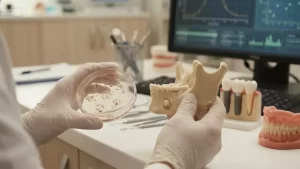
Human Tooth Regrowth Trials Move From Science Fiction Toward Reality
Imagine walking into a dentist’s office after losing a tooth and, instead of discussing a titanium implant, a bridge, or a removable denture, being told that your body could simply be nudged to grow a brand-new one.
This scenario is moving closer to a concrete clinical timeline. A pioneering Japanese experimental drug is undergoing human trials to determine if it can safely restart natural tooth development. Led by Katsu Takahashi, head of dentistry and oral surgery at Kitano Hospital in Osaka, this research marks a profound philosophical shift in dental medicine—moving away from artificial replacements and toward biological self-repair.
Human Tooth Regrowth Trials Move From Science Fiction Toward Reality
Why Human Teeth Do Not Regenerate Naturally
While teeth feel just as solid as bones when you bite into food, they are structurally entirely different. Bones are living tissues densely packed with blood vessels and regenerative cells; they can knit themselves back together flawlessly after severe fractures.
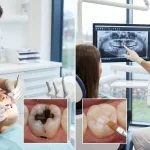
Teeth, unfortunately, have a strictly limited ability to recover. Once the hard outer enamel, underlying dentin, or deep root architecture is severely compromised by decay, trauma, or gum disease, the body cannot patch the gap.
True dental regeneration requires an incredibly complex biological sequence. A new tooth must erupt precisely in the correct location, align flawlessly with the bite angle of neighboring teeth, anchor securely to the jawbone via a flexible periodontal ligament, and develop a fully functional nerve and blood supply capable of enduring a lifetime of daily chewing forces.
The USAG-1 Breakthrough: Releasing the Biological Brake
The foundation of this therapeutic breakthrough rests on a specific protein called USAG-1 (Uterine Sensitization-Associated Gene-1). In the complex matrix of human genetics, USAG-1 acts like a strict biological brake, actively preventing the body from developing excess sets of teeth.

Most mammals are diphyodonts, meaning they naturally grow only two sets of teeth over a lifetime: primary baby teeth and permanent adult teeth. However, deep within our jaw tissue, tiny remnants of early cellular structures called tooth buds often remain dormant.
[Dormant Tooth Bud] ➔ [USAG-1 Protein Blocks Growth] ➔ No New Teeth
[Experimental Drug TRG035] ➔ [Blocks USAG-1 Brake] ➔ [Tooth Bud Awakens & Grows]
By developing an antibody-based intravenous drug named TRG035, the research team successfully blocked the USAG-1 protein from binding with growth factors. In pre-clinical trials published in the journal Science Advances, suppressing this single protein effectively woke up dormant tooth buds, stimulating the successful growth of new, fully formed teeth in mice and later in ferrets—animals that share a dental pattern highly similar to humans.
Decoding the Human Clinical Trial Timeline
The journey from a successful laboratory animal study to a standard dental treatment is highly regulated and divided into meticulous phases to ensure public safety.

Why Dental Professionals Are Practicing Cautious Optimism
While the concept of biological tooth replacement is thrilling, the global dental community is maintaining a balanced perspective. The human mouth is an incredibly demanding environment. It is subjected to constant moisture from saliva, billions of microscopic bacteria, shifting temperature extremes from food, and intense physical crushing forces.
Furthermore, teeth do not always behave predictably. Anyone who has ever required orthodontic braces knows that natural teeth frequently erupt crooked, crowded, or impacted beneath the gum line. For a regrown tooth to be genuinely useful, it cannot simply exist; it must align perfectly with the upper and lower jaws to prevent chronic jaw joint pain (TMJ disorders) or severe bite misalignment.
Comparing Modern Dental Solutions
While tooth regeneration represents the future, it coexists with highly reliable, time-tested modern replacement technologies.
| Feature | Conventional Dentures / Bridges | Modern Titanium Implants | Experimental Tooth Regrowth (TRG035) |
| Material Composition | Acrylic, porcelain, or non-precious metals | Medical-grade titanium post with a ceramic crown | 100% natural enamel, dentin, and living pulp tissue |
| Bite Force Stability | Reduced; can slip or cause localized jaw bone shrinkage over time | High; fuses directly to the jaw bone via osseointegration | Optimal; integrates naturally via the periodontal ligament |
| Treatment Mechanism | External prosthetic covering a gap | Surgical artificial hardware drilled into the jaw | Biological signaling awakening dormant internal cells |
| Current Availability | Readily available at any local dental clinic | Standard, highly proven outpatient surgical option | Experimental; strictly limited to active clinical trial phases |
Conclusion: A Paradigm Shift in Human Longevity
The work surrounding TRG035 fits seamlessly into a broader, modern revolution sweeping through the entire medical world: moving away from managing chronic damage with synthetic hardware and moving toward regenerative medicine. Scientists are actively trying to map the exact biological switches that command our native tissues—whether it be bone density, joint cartilage, or tooth enamel—to heal themselves from within.
While titanium dental implants and precision-crafted dentures remain the absolute gold standard for treating missing teeth today, science fiction is quickly consolidating into a real-world medical timeline. If the current clinical phases continue to demonstrate flawless safety profiles, the next few years could fundamentally change what it means to lose a tooth, turning an irreversible loss into a temporary, treatable setback.
Frequently Asked Questions
Can an adult who lost a tooth to a cavity regrow it right now?
No, this treatment is not currently available to the public or at standard dental clinics. The drug is strictly in its early clinical trial phase. Furthermore, the first phase of public availability will be tightly restricted to children and individuals suffering from congenital tooth deficiency rather than adults dealing with standard age-related tooth loss or decay.
If the drug is an injection, what stops teeth from growing all over my body?
This is a primary reason why Phase I trials focus so heavily on safety. Because the USAG-1 protein is active in other systemic pathways within the body, researchers must carefully calibrate the exact molecular dosage of the antibody. The goal is to ensure it precisely targets the specific receptors in the jaw tissue to safely spark localized dental development without triggering unwanted bone or tissue anomalies elsewhere.
How long does a regrown tooth take to fully erupt through the gums?
In nature, a human permanent tooth takes several years to fully develop its root system and push through the gum line. While the experimental drug can jumpstart and accelerate the initial cell division within a dormant tooth bud, the actual biological eruption process is still bound by human growth rates, likely requiring several months to a year to yield a fully functional biting surface.
Will regrown teeth be immune to cavities and gum disease?
Unfortunately, no. Because a regrown tooth is composed of real, organic human enamel, dentin, and living pulp tissue, it will possess the exact same vulnerabilities as your original teeth. It will still be fully susceptible to acid erosion caused by plaque bacteria, requiring consistent daily brushing, flossing, and routine dental cleanings to remain healthy.
What causes a child to be born missing permanent teeth?
Congenital tooth deficiency, known as hypodontia or anodontia, is a genetic condition typically caused by hereditary mutations that disrupt the delicate signaling pathways between the embryonic tissue layers during early jaw development. It can occur as an isolated dental issue or as a component of broader genetic conditions that affect the skin, hair, and nails.