
Table of Contents
**Cypress Oil for Varicose Veins: What Doctors Really Say**
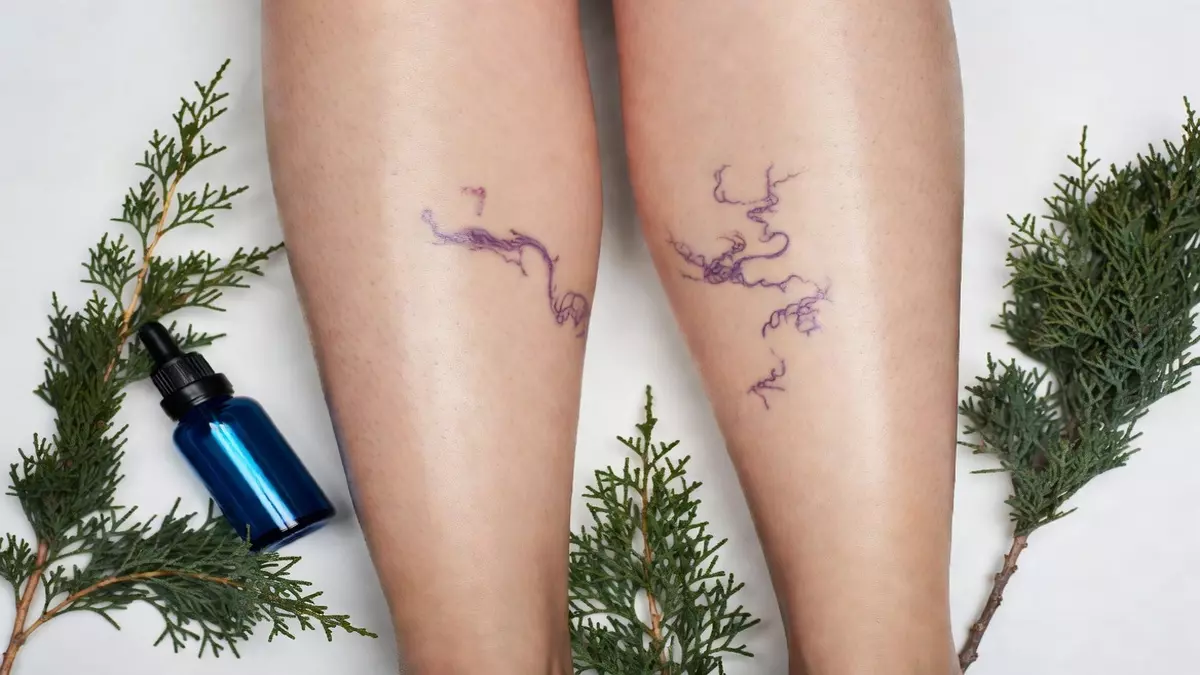
Varicose veins affect millions of people, causing aching, swelling, and visible bulging that can make daily life uncomfortable. Online wellness trends often promote cypress essential oil as a natural fix, claiming it improves circulation and reduces vein appearance. However, medical experts are clear: while it may offer limited temporary comfort for skin symptoms, cypress oil does not repair the underlying valve damage that causes varicose veins.
This common condition occurs when one-way valves in leg veins weaken, allowing blood to pool and veins to stretch. Relying solely on essential oils can delay proper care and miss opportunities for effective relief or treatment. Here’s a clear look at the science, realistic expectations, and proven strategies for managing varicose veins.
Cypress Oil for Varicose Veins What Doctors Really Say

### Understanding Varicose Veins and Why They Develop
Varicose veins form when vein valves fail to keep blood flowing upward toward the heart. Gravity and pressure from standing or sitting for long periods contribute to this reflux, causing veins to enlarge, twist, and become visible under the skin. Symptoms often include leg heaviness, aching, itching, burning, cramps, and swelling—especially after prolonged activity.
The Society for Vascular Surgery estimates up to 40 million Americans experience varicose veins. While many view them primarily as a cosmetic issue, they can signal deeper circulatory problems. Complications may include skin changes, ulcers, bleeding, or increased risk of blood clots. Factors raising risk include age, genetics, pregnancy, obesity, prolonged standing, and family history.

Photoaging and lifestyle habits compound the issue over time. Unlike temporary swelling, true varicose veins involve structural changes in vein walls that topical applications cannot reverse. This distinction matters because effective management addresses both symptoms and root causes.
### The Cypress Essential Oil Claim: Tradition vs. Evidence
Cypress oil has a history in traditional herbal practices for supporting venous circulation. Some wellness advocates suggest it reduces swelling and improves the look of bulging veins. However, current medical guidance from the Mayo Clinic, National Heart, Lung, and Blood Institute, NHS, and American Academy of Dermatology does not endorse it as a primary treatment.
Limited studies on essential oils, including a small trial involving rosemary oil, hint at possible mild symptom relief through massage, but evidence specifically for cypress oil remains weak. No robust clinical data shows it repairs damaged valves or fixes reflux—the core mechanism behind varicose veins. Any visible or sensory improvement is typically superficial and short-lived, stemming from moisturizing effects rather than structural changes.
**Temporary comfort, not a cure**: Diluted cypress oil may soothe dry or itchy skin around veins for some users. However, the bulging comes from deeper vein enlargement, which essential oils applied to the surface cannot meaningfully address.
### Safety Considerations When Using Essential Oils
Essential oils are potent and require proper handling. The FDA notes that plant extracts can cause irritation, allergic reactions, or toxicity if used incorrectly. Cleveland Clinic advises diluting oils adequately and performing patch tests. Undiluted application may worsen skin sensitivity, especially on already compromised areas near varicose veins.
Pregnant individuals, those with sensitive skin, or people taking certain medications should consult a healthcare provider before trying cypress oil. Allergic reactions, though uncommon, can include redness, itching, or rash. Always combine with moisturizers and avoid broken skin.
### Evidence-Based Ways to Manage Varicose Veins
Medical experts prioritize lifestyle changes and proven interventions over unverified remedies:
**Daily Self-Care Strategies**:
– **Movement and Elevation**: Walk regularly to activate calf muscles, which help pump blood upward. Elevate legs above heart level when resting.
– **Weight Management**: Maintaining a healthy weight reduces pressure on leg veins.
– **Compression Therapy**: Medical-grade compression stockings improve circulation, ease swelling, and reduce aching. They provide measurable symptom relief for many people.
– **Avoid Prolonged Standing or Sitting**: Take breaks to move, flex ankles, or shift positions.
These foundational steps help many people control mild to moderate symptoms without invasive procedures.
**Medical Treatments When Needed**:
For persistent or severe cases, doctors may recommend:
– Sclerotherapy: Injection that closes affected veins
– Endovenous ablation or radiofrequency treatment: Minimally invasive techniques using heat to seal veins
– Laser therapy
– Surgical removal in advanced situations
These options redirect blood flow to healthier veins, often producing lasting improvements in appearance and comfort. Early evaluation prevents complications like ulcers or clots.
### When to See a Doctor for Varicose Veins
Don’t rely on home remedies alone if you notice:
– Persistent pain, swelling, or heaviness
– Skin discoloration or thickening
– Open sores that won’t heal
– Bleeding from a vein
– Sudden worsening of symptoms
Visible bleeding or non-healing ulcers require prompt medical attention. A vascular specialist can assess severity through ultrasound and recommend personalized care.
### Lifestyle Habits That Support Vein Health Long-Term
Prevention and management work best together:
– Stay active with low-impact exercises like swimming, cycling, or walking
– Wear comfortable, non-restrictive clothing
– Maintain good posture and avoid crossing legs for long periods
– Eat a balanced diet rich in fiber to prevent constipation, which increases abdominal pressure
– Stay hydrated and limit salt intake to reduce fluid retention
These habits complement medical care and may slow progression of new varicose veins.
### Why Online Trends Can Be Misleading
Social media frequently highlights natural remedies with dramatic before-and-after claims. While cypress oil fits into broader aromatherapy traditions, it lacks strong clinical backing for varicose veins compared to established approaches. Small studies on related oils show potential for comfort but not valve repair or permanent reduction of bulging.
Relying solely on essential oils risks delaying effective treatment. Evidence-based sources consistently emphasize that topical products cannot fix the mechanical issues inside veins.
### Comparing Cypress Oil to Proven Options
| Approach | Potential Benefits | Limitations | Evidence Level |
|———————–|————————————-|————————————–|—————|
| Cypress Essential Oil | Possible skin soothing, mild comfort | No valve repair, temporary effects | Low |
| Compression Stockings | Reduces swelling and aching | Symptom relief only | High |
| Lifestyle Changes | Improves circulation, prevents worsening | Requires consistency | High |
| Medical Procedures | Closes faulty veins, lasting results| More invasive, professional needed | High |
This comparison highlights why doctors prioritize proven methods over essential oils alone.
### Practical Tips If You Want to Try Cypress Oil Safely
If you decide to use it as a complementary option:
– Dilute properly with a carrier oil (e.g., 2–3 drops per teaspoon)
– Perform a patch test on your inner arm
– Apply gently with upward massage motions
– Combine with moisturizer and sunscreen during the day
– Discontinue if irritation occurs and consult a professional
View it as supportive skin care rather than a medical treatment. Track symptoms and seek evaluation if they persist or worsen.
### The Bigger Picture for Vein Health After 55
Varicose veins become more common with age due to cumulative wear on vein walls. Combining healthy habits, compression when helpful, and timely medical care offers the best path forward. While natural options like cypress oil may feel appealing, they work best—if at all—as part of a broader plan rather than a standalone solution.
Focus on sustainable changes that address both symptoms and underlying circulation challenges. Many people achieve significant relief and improved leg comfort through evidence-based approaches.
### Conclusion: Focus on Proven Care Over Quick Fixes
Cypress essential oil may provide temporary skin comfort for some people with varicose veins, but it does not fix damaged valves or stop blood pooling. Doctors emphasize lifestyle measures, compression therapy, and medical treatments when needed for real, lasting improvement.
If aching, swelling, or visible changes are affecting your daily life, consult a healthcare provider rather than depending on unproven remedies. Effective options exist that can reduce discomfort and prevent complications. Prioritizing evidence-based strategies helps you stay active, comfortable, and confident in your legs for years to come.
Small, consistent habits combined with professional guidance deliver far better results than hoping a single oil will solve a complex circulatory issue. Take proactive steps today for healthier, lighter-feeling legs tomorrow.
### FAQ: Cypress Oil, Varicose Veins, and Effective Management
**Does cypress essential oil actually shrink varicose veins?**
No. It may temporarily soothe skin but does not repair valves or reduce bulging veins from inside. Medical treatments are needed for structural changes.
**Is it safe to use essential oils on varicose veins?**
Diluted oils may be okay for some, but they can irritate skin. Always patch test and consult a doctor, especially if you have open sores or circulation issues.
**What are the best non-surgical treatments for varicose veins?**
Compression stockings, sclerotherapy, laser therapy, and radiofrequency ablation are common effective options recommended by vascular specialists.
**When should I see a doctor about varicose veins?**
Seek care for persistent pain, swelling, skin changes, non-healing sores, or bleeding. Early evaluation prevents complications.
**Can lifestyle changes really help varicose veins?**
Yes. Regular movement, weight management, leg elevation, and avoiding long periods of standing or sitting significantly ease symptoms and slow progression.
**Are there any natural remedies proven for varicose veins?**
Evidence is limited. Compression, exercise, and diet offer more reliable support than essential oils. Discuss any supplements or topicals with your doctor.
**How can I prevent new varicose veins from forming?**
Stay active, maintain healthy weight, wear compression during long flights or standing periods, and elevate legs regularly. Genetics play a role, but lifestyle helps.