
Table of Contents
**FDA Recalls 4 Popular Cheeses Nationwide Over Dangerous E. coli Risk**
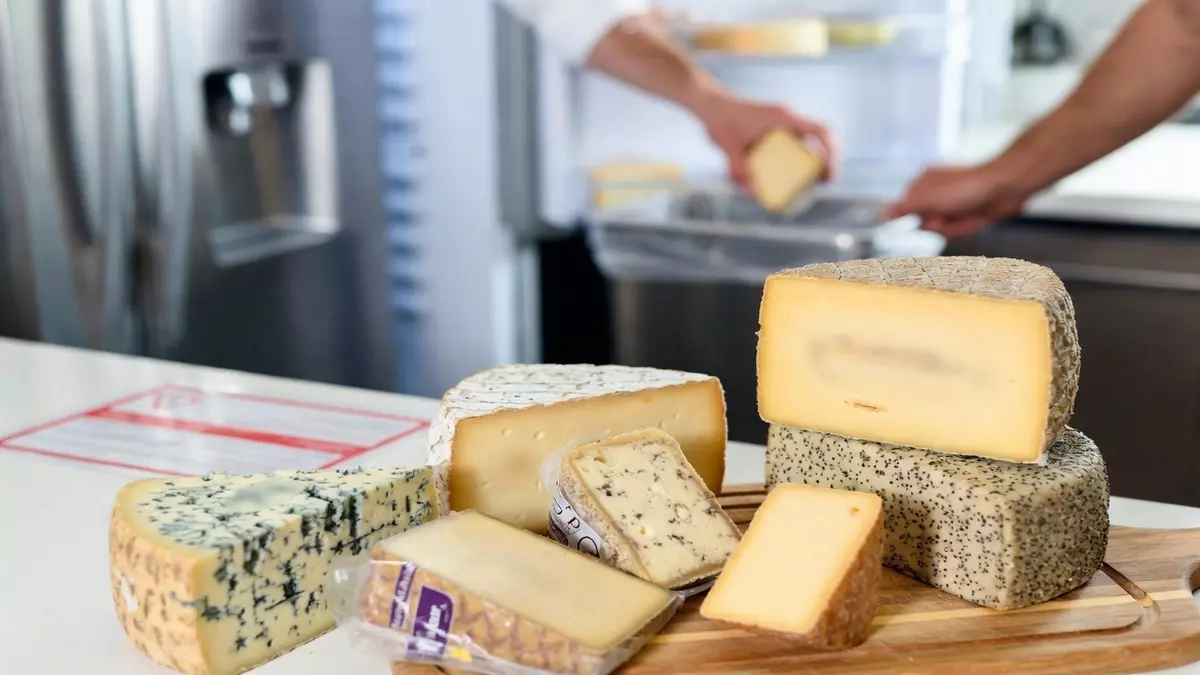
Cheese lovers across the Pacific Northwest and beyond are being urged to check their fridges after the FDA announced a significant recall involving four artisanal varieties from Twin Sisters Creamery. Whatcom Blue, Farmhouse, Peppercorn, and Mustard Seed cheeses may be contaminated with harmful strains of E. coli, prompting swift action to protect consumers from potential serious illness.
This recall affects products distributed in Washington, Oregon, Idaho, and Colorado, with three confirmed infections already reported. While small-batch producers often deliver exceptional quality, this situation highlights the importance of food safety vigilance—even with premium dairy items. Here’s everything you need to know to stay safe, including how to identify affected cheeses and what steps to take immediately.

FDA Recalls 4 Popular Cheeses Nationwide Over Dangerous E. coli Risk

### Details of the Twin Sisters Creamery E. coli Recall
The U.S. Food and Drug Administration, in coordination with the Washington State Department of Agriculture, initiated the recall after laboratory testing detected Shiga toxin-producing E. coli (STEC), including the O103 strain, in samples of the cheeses. These bacteria can cause severe gastrointestinal illness and, in vulnerable individuals, lead to life-threatening complications.
The affected products include:

– **Whatcom Blue**: Available in 5-6 ounce half-moon pieces and larger 2.5-pound wheels.
– **Farmhouse**: Similarly packaged in small retail cuts and full wheels.
– **Peppercorn** and **Mustard Seed**: Primarily in 2.5-pound wheels shipped to distributors.
Distribution occurred primarily between late July and late October 2025 through retailers, specialty shops, caterers, and restaurants in the four states. Some wheels may have been cut and repackaged at the retail level, which means lot numbers or labels could vary. Consumers should examine packaging carefully or visit the FDA’s recall page for photos and specific identifiers.
Even if the cheese appears normal in smell, texture, or taste, contamination can still be present. This is a precautionary measure to prevent further illnesses, as STEC infections don’t always cause immediate obvious spoilage.
### Understanding the Dangers of E. coli in Cheese
Shiga toxin-producing E. coli represents a serious public health concern. Unlike common stomach bugs, certain strains produce toxins that damage the lining of the intestines and can enter the bloodstream. Symptoms typically appear 1 to 10 days after consumption and include:
– Severe abdominal cramps
– Bloody or watery diarrhea
– Vomiting
– Low-grade fever
Most healthy adults recover within a week with supportive care, but young children, older adults, pregnant individuals, and those with compromised immune systems face higher risks. One dangerous complication is Hemolytic Uremic Syndrome (HUS), which can cause kidney failure, seizures, and long-term health issues.
Raw or unpasteurized milk cheeses carry inherent risks because the aging process doesn’t always eliminate hardy bacteria like E. coli. Twin Sisters Creamery’s products, while popular for their quality, fell under scrutiny through routine third-party and state testing. This recall serves as a broader reminder about dairy safety, especially for soft or semi-soft artisanal cheeses.
### Who Is Most at Risk and Why Quick Action Matters
Vulnerable populations should be extra cautious. Children under 5, seniors over 65, and immunocompromised individuals can progress from mild symptoms to hospitalization rapidly. Pregnant women also need to avoid potential exposure due to risks to both mother and baby.
If you’ve purchased any of these cheeses recently, err on the side of caution. The FDA stresses that throwing away potentially contaminated food is the safest choice. Do not taste-test or try to salvage any portion. Three confirmed cases in Oregon and Washington demonstrate that even limited distribution can lead to real illnesses.
### Step-by-Step: What to Do If You Have Recalled Cheese
1. **Check Your Purchase**: Compare your cheese against FDA images and descriptions for Whatcom Blue, Farmhouse, Peppercorn, or Mustard Seed from Twin Sisters Creamery.
2. **Dispose Safely**: Seal the product in a bag and throw it in the trash. Avoid feeding it to pets or composting, as bacteria can persist.
3. **Return for Refund**: Many stores will accept returns even without original packaging. Contact the retailer where you bought it.
4. **Sanitize Everything**: Thoroughly clean any surface, cutting board, knife, or container that contacted the cheese with hot soapy water followed by a disinfectant. Refrigerators shelves should also be wiped down.
5. **Monitor for Symptoms**: Watch household members closely for 10 days. Seek medical care promptly if gastrointestinal symptoms develop, and mention possible E. coli exposure to your provider.
For additional questions, contact Twin Sisters Creamery directly at (360) 656-5240 (Tuesday–Saturday, 11 a.m.–5 p.m. PT) or Peterson Company at (800) 735-0313, ext. 2101.
### How to Protect Yourself from Future Food Recalls
While this incident involves a specific producer, food safety remains everyone’s responsibility. Here are practical habits that reduce risk:
– **Buy from Reputable Sources**: Choose cheeses from producers with strong safety records. Pasteurized varieties generally carry lower risk than raw-milk options.
– **Store Properly**: Keep cheese refrigerated at 40°F or below. Use airtight wrapping and consume within recommended timeframes.
– **Practice Kitchen Hygiene**: Wash hands for 20 seconds before and after handling food. Use separate boards for cheese and raw meats.
– **Stay Informed**: Sign up for FDA recall alerts or use apps like FoodSafety.gov. Check the FDA website regularly for updates on dairy, produce, and packaged foods.
– **Cook When Possible**: Heating cheese to an internal temperature of 165°F kills most harmful bacteria, though this isn’t practical for many cheese applications.
Artisanal cheese enthusiasts can still enjoy their favorites by opting for trusted local makers who prioritize rigorous testing and transparency.
### Broader Context: Food Safety in the Artisan Cheese Industry
Small creameries like Twin Sisters contribute character and diversity to the American cheese scene. However, scaling production while maintaining safety standards presents challenges. The FDA and state agencies work closely with producers to prevent outbreaks, but occasional issues arise due to environmental factors on farms or during processing.
This recall highlights the effectiveness of surveillance systems. Early detection through testing prevented what could have been a larger outbreak. It also encourages consumers to view recalls as protective measures rather than alarming failures.
For those who enjoy cheese as part of a balanced diet, the nutritional benefits—high-quality protein, calcium, and probiotics in aged varieties—remain strong when products are safe. Moderation and awareness allow you to continue including them without undue worry.
### Tips for Safe Cheese Selection and Storage at Home
– Read labels carefully for pasteurization status and origin.
– Buy smaller quantities more frequently to minimize waste and exposure time.
– Consider freezing harder cheeses if you won’t finish them soon (thaw in the refrigerator).
– Pair cheese with fresh produce and whole grains for nutritious snacks and meals.
If you frequently purchase specialty cheeses, building a relationship with your local cheesemonger can provide insider knowledge about sourcing and safety practices.
### When to Seek Medical Attention for Possible E. coli
Don’t wait out severe symptoms. Contact a doctor or visit urgent care if you experience persistent diarrhea, bloody stools, high fever, or signs of dehydration. Mention any recent cheese consumption during this recall period. Rapid reporting helps public health officials track and contain potential outbreaks.
Most people recover fully with hydration and rest, but medical guidance ensures complications are caught early.
### Conclusion: Stay Informed and Prioritize Food Safety
The FDA recall of Twin Sisters Creamery’s Whatcom Blue, Farmhouse, Peppercorn, and Mustard Seed cheeses underscores the need for awareness in our food choices. While the risk is limited to specific batches and regions, taking quick action protects you and your family from unnecessary illness.
By checking your fridge, properly disposing of suspect products, and maintaining strong kitchen habits, you minimize risks from this and future recalls. The American cheese landscape offers incredible variety—continue enjoying it safely by staying alert to official alerts and supporting producers who uphold high standards.
Your health comes first. When in doubt about any food product, it’s always better to discard and replace than to take a chance. Stay safe, informed, and continue savoring life’s delicious moments with confidence.
### FAQ: Twin Sisters Creamery Cheese Recall and E. coli Safety
**1. Which specific cheeses are included in the FDA recall?**
The recall covers Whatcom Blue, Farmhouse, Peppercorn, and Mustard Seed cheeses from Twin Sisters Creamery. Check packaging or the FDA website for exact lot information.
**2. What are the symptoms of E. coli infection from contaminated cheese?**
Common symptoms include severe stomach cramps, diarrhea (often bloody), vomiting, and fever. They can appear up to 10 days after eating the product.
**3. Is it safe to eat other cheeses from the same producer?**
Only the listed varieties from the specified distribution period are affected. Contact the creamery directly if you’re unsure about a particular purchase.
**4. Who is most vulnerable to serious complications from STEC?**
Young children, elderly adults, pregnant people, and those with weakened immune systems face higher risks of kidney failure or hospitalization.
**5. How should I clean items that touched the recalled cheese?**
Wash thoroughly with hot soapy water and sanitize with a solution of bleach or approved disinfectant. Pay special attention to refrigerator shelves and cutting boards.
**6. Can I return the cheese for a refund even if I threw it away?**
Many retailers accept proof of purchase for refunds. Contact the store or distributor for their specific policy.
**7. How can I stay updated on future food recalls?**
Subscribe to FDA email alerts, download food safety apps, and regularly visit fda.gov for the latest information on dairy and other products.
This situation is under control thanks to prompt testing and notification. By following the recommended steps, consumers can confidently navigate this recall and maintain safe eating habits moving forward.