
Table of Contents
**Solar Lights for Power Outages: Keep Your Home Bright and Safe**
Power outages can turn a cozy home into a dark, inconvenient space in minutes. Storms, grid failures, or extreme weather often leave families scrambling for flashlights and candles that quickly lose their usefulness. But there’s a simple, affordable solution many homeowners are now using: outdoor solar lights.
For around $20, you can create a reliable emergency lighting system that charges itself during the day and provides hours of steady, warm light when the power goes out. This clever trick turns inexpensive garden solar lights into a practical blackout backup that’s safer than candles and more dependable than battery-powered flashlights.
In this guide, you’ll learn exactly how to set up solar lights for power outages, why they work so well, and smart ways to maximize their effectiveness during emergencies and everyday life.

Solar Lights for Power Outages: Keep Your Home Bright and Safe
### Why Solar Lights Make an Excellent Backup Lighting Solution
Solar garden lights are designed to soak up sunlight during the day and automatically turn on at night. This built-in rechargeable capability makes them perfect for emergency use. Unlike candles, they don’t create fire hazards. Unlike flashlights, they don’t need replacement batteries that eventually run out.
Once fully charged, most solar lights provide 6–10 hours of glow — often enough to get your household through the night. They’re compact, lightweight, and require almost zero maintenance. Best of all, they continue working even during extended outages as long as you give them daily sunlight.
This approach is especially valuable for families with children, elderly members, or pets, offering gentle, consistent illumination without the risks of open flames or dead batteries.
### Key Benefits of Using Solar Lights During Blackouts

**Safety First**
Solar lights produce no heat or flame, making them much safer around kids, pets, and flammable materials. You can place them confidently in bedrooms, hallways, and bathrooms without worry.
**Cost-Effective**
A dozen small solar stake lights usually cost under $20 at discount stores, hardware shops, or online. One purchase creates a reusable emergency system that pays for itself after the first outage.
**Eco-Friendly and Sustainable**
These lights run on clean solar energy, reducing reliance on disposable batteries and fossil-fuel-powered generators. They’re a smart step toward energy independence.
**Easy to Maintain**
Simply place them in the sun each day. No cords, no switches, and no complicated setup required. Many models even have automatic sensors that turn them on when it gets dark.
**Versatile Illumination**
Solar lights cast a pleasant, warm glow that feels less harsh than harsh LED flashlights. They can light up entire rooms softly when grouped together.
### What You’ll Need to Build Your Solar Light Emergency Kit
You don’t need expensive survival gear. Here’s a basic, budget-friendly shopping list:
– 10–15 small outdoor solar garden lights (stake-style or hanging)
– A sunny outdoor spot or south-facing windowsill for daily charging
– A bucket, basket, or bin for quick indoor storage and transport
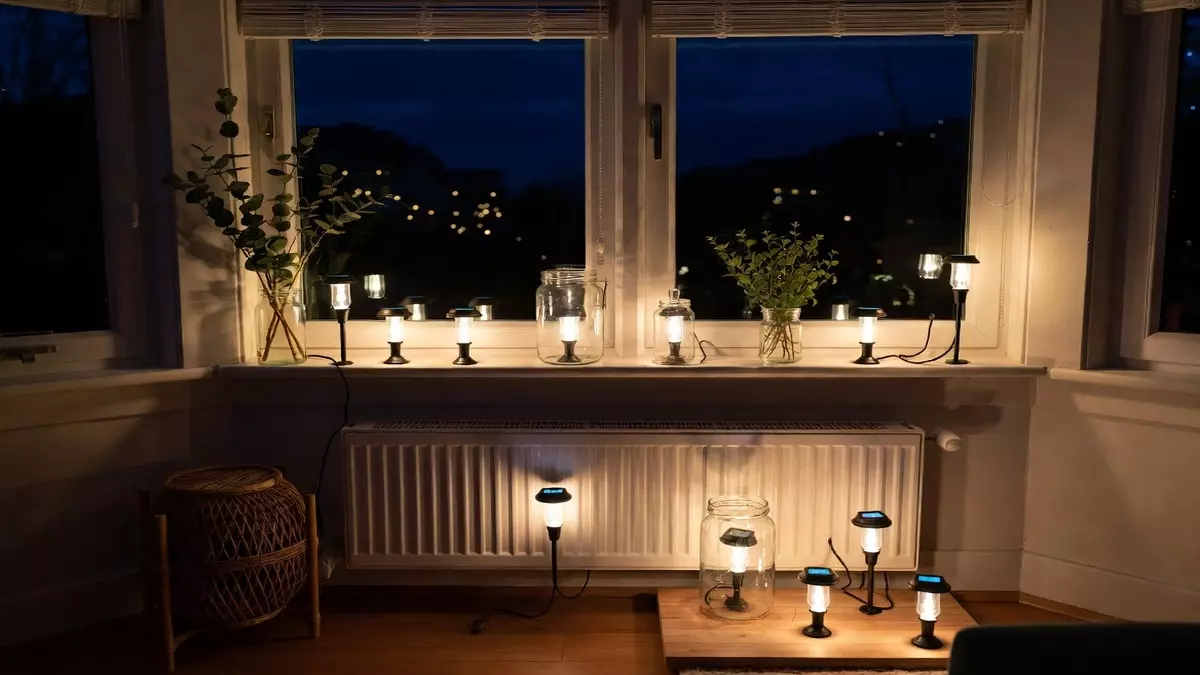
– Optional: Glass jars, vases, or candle holders to elevate lights indoors
Choose lights with warm white or amber LEDs for a cozier atmosphere. Look for models with at least 6–8 hours of runtime after full charging.
### Step-by-Step Guide: How to Use Solar Lights for Power Outages
**Step 1: Daily Charging Routine**
Place your solar lights outside in direct sunlight every morning. Position them along garden paths, in flower beds, or on a sunny patio. If outdoor space is limited, set them on a windowsill that gets strong light. Make this part of your daily habits — many people keep a dedicated “charging station” near the back door.
**Step 2: Prepare for Nighttime Use**
When a power outage occurs after dark, bring the charged lights inside immediately. Remove the stakes if needed and place the lights upright in jars, cups, or decorative holders. Group several lights together on tables or countertops to brighten larger areas effectively.
**Step 3: Create Strategic Lighting Zones**
– Place lights in high-traffic areas like hallways and staircases for safety.
– Use them in bathrooms and kitchens for essential tasks.
– Set one or two in bedrooms for reading or comforting children.
– Keep extra lights near your emergency supply area for quick access.
**Step 4: Recharge for the Next Day**
As soon as daylight returns, move the lights back outside to recharge. Even on cloudy days, most solar lights can gather enough energy to provide several hours of light at night. Rotate your collection so you always have fully charged backups ready.
### Smart Storage and Safety Tips
Keep your solar lights together in one easily accessible location — such as a five-gallon bucket near your emergency kit, pantry, or back door. This ensures you can grab them quickly when the lights go out.
Additional safety practices include:
– Test all lights monthly to confirm they’re charging properly.
– Keep them clean — wipe dust or debris off the solar panels regularly.
– Avoid placing them too close to curtains or flammable materials indoors.
– Teach family members where the lights are stored and how to use them.
### Creative Ways to Use Solar Lights Beyond Power Outages
Once you own a set of solar lights, you’ll discover many practical uses around your home and property:
– **Nighttime Navigation**: Line pathways, steps, or driveways for safe movement after dark.
– **Outdoor Ambiance**: Create beautiful mood lighting for patios, decks, or gardens.
– **Camping and Travel**: Lightweight and cordless — perfect for tents, RVs, or cabins.
– **Off-Grid Living**: Provide reliable illumination in sheds, chicken coops, or greenhouses.
– **Emergency Preparedness**: Add them to your car kit or bug-out bag for unexpected situations.
Many homeowners also use them as gentle nightlights for children or elderly family members who need soft illumination without full room lights.
### Common Questions About Solar Lights for Blackouts
**How long do solar lights actually last during an outage?**
Most provide 6–10 hours of light after a full day of charging. Brighter models may run shorter times, while efficient ones can last through the night.
**Will they charge on cloudy or winter days?**
Yes, though more slowly. Place them in the brightest available spot. Having extras in rotation ensures you always have charged lights available.
**Are solar lights bright enough for reading or cooking?**
Individual lights offer ambient lighting. Grouping 3–5 lights together creates enough brightness for most daily tasks during outages.
**What happens if the power is out for multiple days?**
As long as you can get them into sunlight daily, they’ll continue providing light each night. They’re ideal for prolonged outages common during major storms.
**Can I use regular indoor solar lights instead?**
Outdoor-rated lights with waterproof construction tend to be more durable and hold charges better for emergency use.
### Long-Term Advantages of Solar Emergency Lighting
Building a solar light system encourages better overall preparedness while saving money on batteries and candles over time. It also reduces stress during outages — families feel safer and more comfortable with reliable lighting available.
Many users report feeling more self-sufficient and environmentally responsible after adopting this approach. It’s a small change that delivers peace of mind when it matters most.
### Conclusion
Using solar lights for power outages is one of the smartest, most affordable preparedness tricks available today. For less than the cost of a few takeout meals, you can create a dependable, renewable lighting system that keeps your home safe, functional, and welcoming even when the grid fails.
Start small by picking up a dozen solar lights and building the habit of daily charging. You’ll gain confidence knowing your family has a practical solution ready for the next storm or unexpected blackout. This simple strategy combines convenience, safety, and sustainability — proving that sometimes the best emergency tools are hiding in plain sight in your garden section.
Prepare today so you can stay calm and brightly lit tomorrow, no matter what the weather brings.
### Frequently Asked Questions
**How many solar lights do I need for an average home?**
10–15 small lights are usually sufficient. Focus on key areas like hallways, bathrooms, kitchen, and bedrooms.
**Do solar lights work in very cold or hot weather?**
Most outdoor solar lights are designed for temperature extremes. Store them indoors during extreme cold snaps to protect battery life if needed.
**Can solar lights replace a generator during short outages?**
They work excellently for lighting and basic tasks. For full home power, combine them with a generator for appliances.
**Are there different types of solar lights better for indoor emergency use?**
Look for models with warm white light and longer runtime. Stake lights and hanging lanterns tend to work best indoors when placed in jars.
**How do I maintain solar lights for maximum performance?**
Clean solar panels regularly, replace batteries every 1–2 years if needed, and test them monthly. Proper care ensures years of reliable service.
**Will this method work during winter storms with less sunlight?**
Yes. Keep extra lights charging indoors near windows and rotate them. Even limited winter sun can provide enough power for several hours of light.
**Are solar lights safe to use around children and pets?**
Very safe. They stay cool to the touch and contain no flames or small batteries that can be swallowed.