
Table of Contents
How First Nations Preserved Blueberries for Years Naturally
Long before refrigerators, canning jars, or food dehydrators, Indigenous peoples across North America developed incredibly effective ways to preserve their seasonal harvests. Among the most impressive techniques was the First Nations’ method of turning fresh blueberries into a concentrated, shelf-stable paste that could last for years. This traditional process relied only on fire, sunlight, and natural materials — creating a nutrient-dense food source that sustained communities through long, harsh winters.
Today, this ancient blueberry preservation technique offers valuable lessons for modern foragers, homesteaders, and anyone interested in sustainable food storage. It proves that with simple methods and respect for nature’s chemistry, you can transform fresh berries into long-lasting provisions without electricity or special equipment.
How First Nations Preserved Blueberries for Years Naturally
### The Traditional First Nations Blueberry Preservation Process
Indigenous communities perfected a two-step method: gently cooking the berries into a thick paste, then drying it into durable, leathery sheets. This approach concentrated flavors and nutrients while removing the moisture that causes spoilage.
**Step 1: Slow Cooking into Paste**
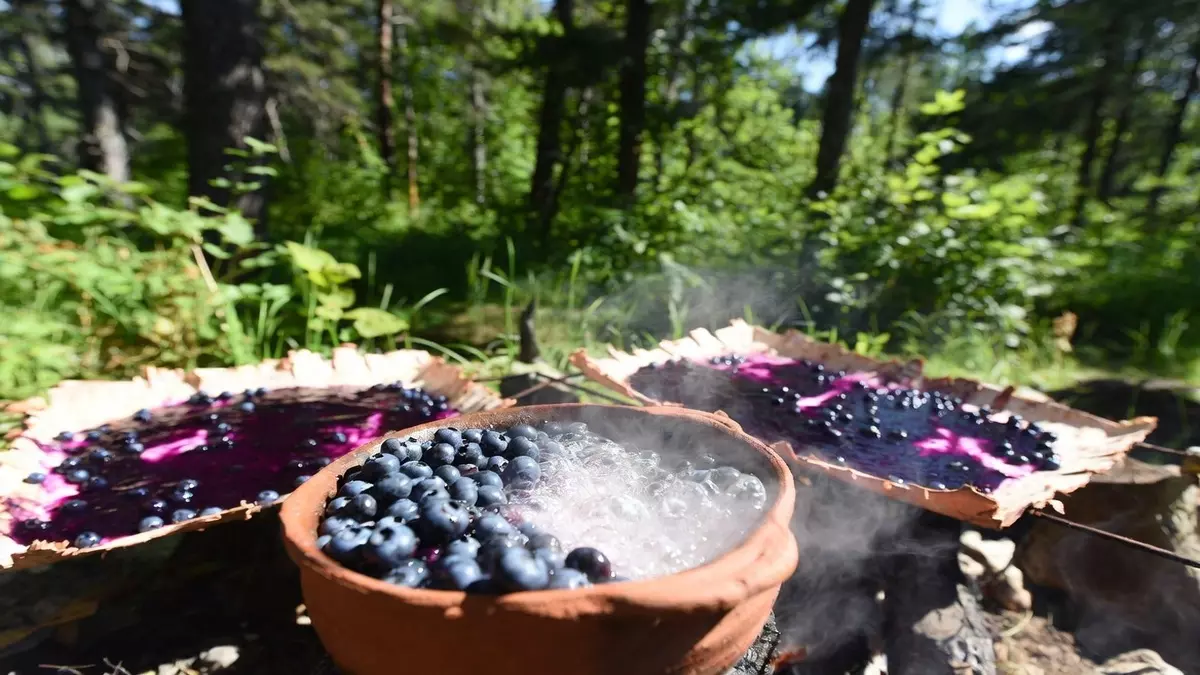
Freshly gathered blueberries were placed in clay or metal pots over low, steady fires. A small amount of water was added to prevent scorching, and the berries simmered slowly for an hour or more. Constant, gentle stirring helped break down the fruit, releasing natural sugars and juices.
No added sweeteners or preservatives were necessary. The blueberries’ own high sugar content, combined with natural acids, created a self-preserving environment. As moisture evaporated, the mixture transformed into a rich, glossy, deep-purple paste packed with intense flavor and nutrition.
**Step 2: Sun-Drying the Paste**
The thick paste was spread thinly into containers made from birch bark — a natural material valued for its water resistance and mild antimicrobial properties. These bark “envelopes” or trays were placed in direct sunlight for several days until the paste dried into firm, leathery sheets or blocks.
In some regions, light smoking over a low fire added another layer of protection. Wood smoke contains compounds that naturally inhibit bacteria and extend shelf life even further. The finished product was lightweight, portable, and incredibly long-lasting.
### Why This Method Worked So Effectively
The science behind this preservation technique is both simple and brilliant. By dramatically reducing moisture content, the process created an environment where bacteria and mold could not survive. Blueberries’ natural acidity and high sugar levels acted as built-in preservatives, while slow heating killed off most microorganisms early in the process.
The result was a dense, energy-rich food that retained most of its vitamins, antioxidants, and minerals. Unlike many modern preservation methods that can degrade nutrients, this gentle approach preserved the berries’ health benefits remarkably well.
### Benefits of Traditionally Preserved Blueberries
– **Extended Shelf Life**: Properly dried blueberry paste could last 2–5 years or longer when stored correctly.
– **Nutrient Density**: The concentration process created a powerful source of antioxidants, vitamin C, and fiber.
– **Portability**: Lightweight and compact — ideal for hunters, travelers, and winter storage.
– **Versatility**: The dried paste could be rehydrated into sauces, added to stews, mixed into breads, or eaten as-is for quick energy.
– **Zero Waste**: Every part of the harvest was used, reflecting deep respect for the land and its gifts.
### How First Nations Used Preserved Blueberries
During cold months, families rehydrated the paste with water to make flavorful sauces or added it to meats and grains for hearty meals. Children enjoyed it as a sweet treat, while hunters carried small portions as high-energy trail food. The preserved berries provided essential nutrition when fresh produce was unavailable for months at a time.
This preservation method was not limited to blueberries. First Nations applied similar techniques to other native fruits like saskatoon berries, chokecherries, cranberries, and huckleberries. These berries shared the ideal balance of natural sugars and acids that made them perfect for drying. Strawberries, however, were rarely used this way due to their higher water content and lower acidity.
### Modern Adaptation: How to Preserve Blueberries the Traditional Way Today
You don’t need special equipment to try this time-honored technique at home. Here’s a practical, safe version you can use with fresh or frozen blueberries.
**Ingredients and Tools:**
– 4–6 pounds fresh or frozen blueberries
– Heavy-bottomed pot
– Wooden spoon
– Parchment paper or dehydrator trays
– Optional: Birch bark sheets (for authenticity) or glass storage containers
**Step-by-Step Modern Method:**
1. **Prepare the Berries**
Rinse fresh blueberries and place them in a large, heavy pot. Add just enough water to prevent sticking (about ½ cup per 4 pounds of berries).
2. **Slow Simmer**
Cook over very low heat, stirring frequently for 60–90 minutes. The berries will release juices and gradually thicken into a glossy paste. Do not rush this step — gentle heat preserves nutrients and flavor.
3. **Spread and Dry**
Once thickened, spread the paste thinly (about ⅛–¼ inch) on parchment-lined baking sheets or dehydrator trays. Dry in a food dehydrator at 135°F, in an oven on the lowest setting with the door cracked, or outdoors in strong sunlight (covered with fine screening).
4. **Test for Doneness**
The paste is ready when it feels leathery and no longer sticky. It should bend without cracking but not feel moist.
5. **Store Properly**
Cut into strips or roll into small portions. Store in airtight glass jars, vacuum-sealed bags, or traditional birch bark containers in a cool, dark place. Properly dried paste can last 1–3 years at room temperature.
**Safety Note**: Always use clean equipment and ensure the paste dries completely to prevent mold. In humid climates, a dehydrator or oven method is more reliable than sun-drying alone.
### Tips for Best Results with Traditional Blueberry Preservation
– Choose ripe, high-quality berries for maximum flavor and natural preservation power.
– Stir constantly during cooking to avoid scorching.
– Spread the paste as evenly as possible for consistent drying.
– Store in small portions so you only open what you need.
– Experiment with light smoking using fruit woods like apple or cherry for added flavor and preservation.
### Why This Ancient Technique Still Matters Today
In an age of processed foods and energy-dependent appliances, the First Nations’ blueberry preservation method reminds us of the power of simplicity and connection to nature. It requires no electricity, creates zero plastic waste, and produces a superior product that’s both nutritious and delicious.
Modern homesteaders, wild foragers, and sustainability enthusiasts are rediscovering these techniques not just for practicality, but for the deeper satisfaction of working with traditional knowledge. This method also supports local food systems by encouraging people to preserve seasonal abundance rather than relying on imported goods year-round.
### Conclusion
The First Nations’ traditional way of preserving blueberries showcases incredible ingenuity and deep ecological wisdom. By gently transforming fresh berries into a concentrated, long-lasting paste using only fire and sun, Indigenous communities created a reliable food source that honored both the harvest and the land.
Whether you’re looking to build self-sufficiency, explore historical foodways, or simply try a healthier alternative to store-bought snacks, this ancient technique offers rewarding results. With minimal tools and a bit of patience, you can create your own nutrient-dense blueberry preserves that capture the essence of summer for years to come.
This season, consider trying this traditional method. You’ll gain more than just preserved berries — you’ll connect with time-tested wisdom that continues to nourish both body and spirit.
### Frequently Asked Questions
**How long does traditionally preserved blueberry paste actually last?**
When dried thoroughly and stored in airtight containers in a cool, dark place, it can remain safe and flavorful for 2–5 years. Always check for mold or off odors before using.
**Can I use frozen blueberries for this preservation method?**
Yes. Frozen blueberries work very well. Thaw them completely and drain excess liquid before cooking to achieve the right consistency.
**What’s the best way to use dried blueberry paste?**
Rehydrate it with warm water for sauces, stir into oatmeal or yogurt, mix into baked goods like bannock or muffins, or eat small pieces as a natural energy snack.
**Is this method safe without modern preservatives?**
Yes, when done correctly. The combination of low moisture, natural acidity, and proper drying creates a shelf-stable product. Always ensure complete dryness to prevent spoilage.
**Which other berries work best with this technique?**
Saskatoon berries, chokecherries, cranberries, huckleberries, and currants preserve beautifully. Avoid high-moisture, low-acid fruits like strawberries or raspberries for long-term storage.
**Do I need special equipment to try this at home?**
No. A heavy pot, wooden spoon, and either a dehydrator, oven, or sunny drying area are sufficient. Birch bark adds authenticity but parchment paper works fine for beginners.
**How does this compare nutritionally to fresh blueberries?**
The paste retains most antioxidants, fiber, and vitamins, though some heat-sensitive nutrients may decrease slightly. The concentration actually makes it more nutrient-dense per serving than fresh berries.