
Table of Contents
**6 Natural Ways to Keep Caterpillars Out of Your Garden**
Nothing ruins a gardener’s day faster than discovering your prize tomato plants or kale leaves turned into Swiss cheese overnight. Caterpillars can seem to appear out of nowhere, chewing through foliage and leaving behind a trail of frustration.
The good news? You don’t need toxic chemicals to fight back. With smart, natural strategies, you can protect your vegetables, flowers, and herbs while keeping your garden ecosystem healthy and balanced. These six proven methods help you manage caterpillars effectively using simple, safe techniques that actually work.
Whether you’re dealing with cabbage loopers, tomato hornworms, or armyworms, this guide gives you practical tools to reclaim your garden without harming beneficial insects, birds, or the environment.
6 Natural Ways to Keep Caterpillars Out of Your Garden
### Why Caterpillars Become a Problem in Home Gardens
Caterpillars are the hungry larval stage of moths and butterflies. While some species are welcome guests that turn into beautiful pollinators, many common garden varieties can quickly strip plants of their leaves, damage fruit, and weaken overall growth.
They often start as tiny eggs laid on leaf undersides in early spring. Once hatched, the larvae feed aggressively, especially during warm, moist conditions. Signs of trouble include irregular holes in leaves, dark droppings (frass), curled foliage, and silky webs.
The key to success is early detection and consistent action. By combining multiple natural approaches, you create layers of protection that reduce caterpillar numbers and prevent major outbreaks.
### 1. Use Physical Barriers for Immediate Protection
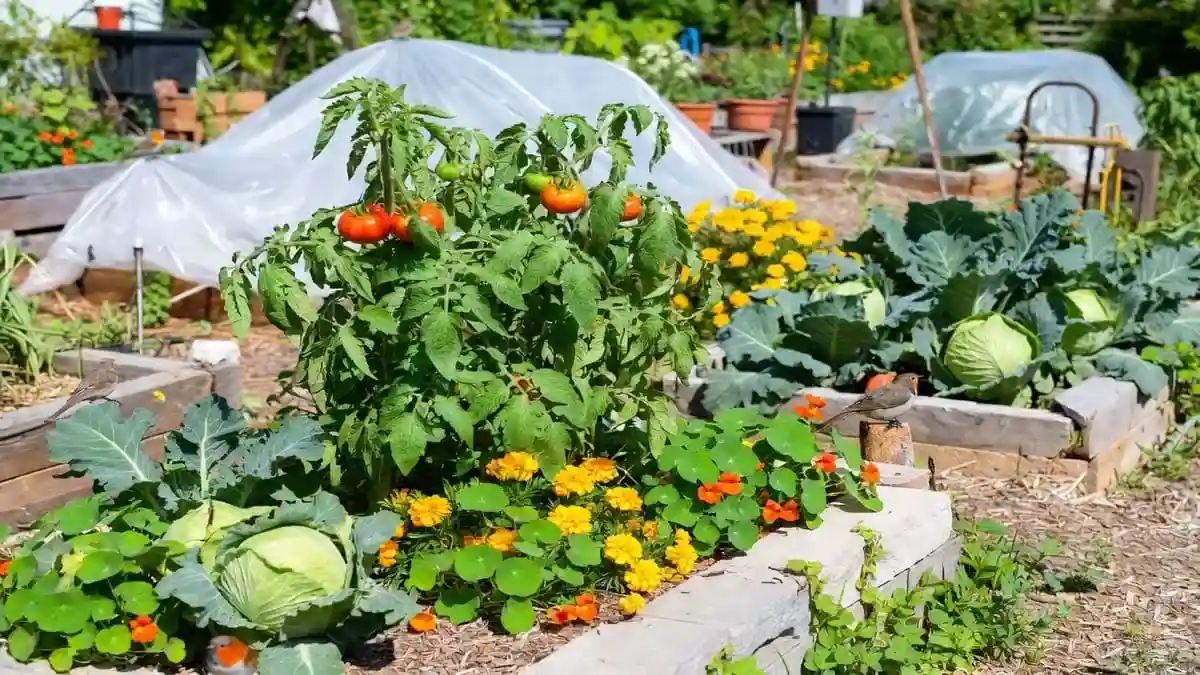
One of the simplest and most effective natural defenses is blocking access before caterpillars arrive. Floating row covers made from lightweight fabric are excellent for protecting brassicas like cabbage, broccoli, kale, and cauliflower. These covers let in light and water while keeping egg-laying moths away.
Secure the edges completely with soil, rocks, or clips so determined insects can’t sneak underneath. Remove the covers temporarily during flowering if pollinators need access, then replace them afterward.
For fruit trees and larger shrubs, wrap trunks with burlap or tree wrap bands. Some gardeners add a sticky barrier like Tanglefoot or even a ring of petroleum jelly mixed with vegetable oil. Caterpillars struggle to cross these sticky zones, dramatically reducing climbing damage.
Physical barriers work especially well in the early season when moth activity peaks. They’re reusable, chemical-free, and give you peace of mind.
### 2. Attract Beneficial Predators to Your Garden
Nature provides some of the best caterpillar control if you invite the right helpers. Birds such as chickadees, bluebirds, wrens, and robins devour hundreds of caterpillars while feeding their young. Make your garden bird-friendly with shallow water dishes, birdhouses, and native shrubs for shelter.
Beneficial insects also play a major role. Parasitic wasps lay eggs inside caterpillars, eventually killing them. Ladybugs, lacewings, and ground beetles hunt eggs and young larvae.
To attract these allies, plant nectar-rich flowers like dill, fennel, alyssum, yarrow, and marigolds throughout your vegetable beds. Avoid broad-spectrum insecticides that kill both pests and their natural enemies. A diverse, flower-filled garden naturally keeps caterpillar populations in check.
### 3. Try Companion Planting and Trap Crops
Strategic plant placement can confuse and deter caterpillar parents. Strong-smelling herbs such as thyme, sage, rosemary, garlic, and chives help mask the scent of vulnerable crops, making it harder for moths to find ideal egg-laying spots.
Nasturtiums serve as excellent trap crops. Caterpillars often prefer their peppery leaves over your vegetables, drawing pests away from your main harvest. Mustard greens can work similarly near brassicas. Be prepared to remove or treat the trap plants if they become heavily infested.
The diversity created by companion planting disrupts pest patterns and improves overall garden health. Mix plant families and heights to create a more resilient growing environment.
### 4. Make Your Own Natural Repellent Sprays
When you need to take direct action, homemade sprays offer safe, effective control. Neem oil stands out as one of the best organic options. It disrupts caterpillar feeding and growth cycles without harming most beneficial insects when used properly.
For a simple DIY spray, blend fresh garlic cloves, hot chili peppers, and water, then strain and add a drop of mild castile soap. This pungent mixture repels many pests through smell and taste.
A basic insecticidal soap spray (made with pure liquid soap and water) can also help control young caterpillars by breaking down their protective coating. Always test sprays on a small leaf area first and apply during early morning or evening to prevent leaf burn. Reapply after rain for continued protection.
These natural sprays work best as part of an integrated approach rather than a one-time fix.
### 5. Apply Bacillus thuringiensis (Bt) When Needed
For more serious infestations, Bt (Bacillus thuringiensis) is a game-changing organic tool. This naturally occurring soil bacterium specifically targets caterpillars by damaging their digestive system. Once ingested, the larvae stop eating and eventually die.
Bt is safe for humans, pets, birds, and pollinators when used as directed. It works best on young caterpillars, so apply it at the first signs of activity, preferably in the early evening. Reapply every 5–7 days or after heavy rain.
Many organic gardeners consider Bt an essential part of their toolkit because it’s highly targeted and breaks down quickly in the environment. Always follow package instructions for best results.
### 6. Hand-Pick and Remove Eggs Daily
Sometimes the most effective method is also the simplest. Hand-picking caterpillars early in the morning or at dusk, when they’re most active, gives excellent control in smaller gardens. Drop them into a bucket of soapy water to ensure they don’t return.
Don’t stop at the larvae. Check leaf undersides for clusters of tiny eggs and gently scrape them off or remove the affected leaves. Breaking the life cycle at the egg stage prevents dozens of new caterpillars from appearing.
While it requires some effort, regular inspection keeps populations low and helps you catch problems before they escalate. Wear gloves if you prefer, and turn it into a daily garden walk habit.
### Long-Term Prevention Strategies for Caterpillar-Free Gardens
Prevention beats treatment every time. Practice crop rotation each season to avoid building up pest populations in the same soil. Clean up fallen leaves, old stems, and plant debris at the end of the growing season so overwintering pupae have fewer hiding spots.
Apply organic mulch thoughtfully — it conserves moisture but can also shelter some pests, so refresh it regularly. Inspect new plants and seedlings thoroughly before adding them to your garden.
Finally, focus on overall plant health. Strong, well-watered, and properly fertilized plants recover better from minor damage and are less attractive to stressed-seeking pests.
### Final Thoughts on Natural Caterpillar Control
Managing caterpillars naturally takes a bit of consistency, but the results are worth it. By combining physical barriers, biological controls, companion planting, targeted sprays, and good garden hygiene, you can enjoy a productive garden with far fewer holes in your leaves.
These methods protect your vegetables while supporting a thriving backyard ecosystem full of birds, beneficial insects, and healthy soil. Start with prevention and early detection, and you’ll spend more time harvesting and less time worrying about pests.
A balanced approach keeps both your plants and the environment healthier for seasons to come. Your garden can be beautiful, bountiful, and mostly caterpillar-free with the right natural strategies in place.
### FAQ: Natural Ways to Keep Caterpillars Out of Your Garden
**Are all caterpillars bad for the garden?**
No. Some, like those that become monarch butterflies or swallowtails, are beneficial. The goal is managing damaging species like cabbage loopers and hornworms while allowing room for desirable insects.
**How quickly do natural methods work?**
Many methods like hand-picking and barriers show results within days. Bt and neem oil typically take 3–7 days to reduce feeding damage. Consistency is key for long-term control.
**Will these techniques harm butterflies?**
When used carefully, these natural approaches target problem caterpillars while protecting pollinators. Avoid spraying open flowers and use Bt only when truly needed.
**Can I prevent caterpillars completely?**
You can’t eliminate them entirely in an outdoor garden, but these strategies can reduce damage to very low levels. Prevention and early action are more effective than trying to eradicate every one.
**Is hand-picking really worth the effort?**
Yes, especially in small to medium gardens. Removing even a few dozen caterpillars and eggs prevents major outbreaks and saves your crops.
**What’s the best time of year to start caterpillar prevention?**
Begin in early spring before moth activity peaks. Set up barriers and plant companion flowers as soon as you prepare beds for the season.
Start using these natural caterpillar control methods this season and enjoy a healthier, more productive garden with peace of mind. Your plants will thank you!