
Table of Contents
**Baking Soda for Indoor Plants: Smart Uses and Serious Risks**
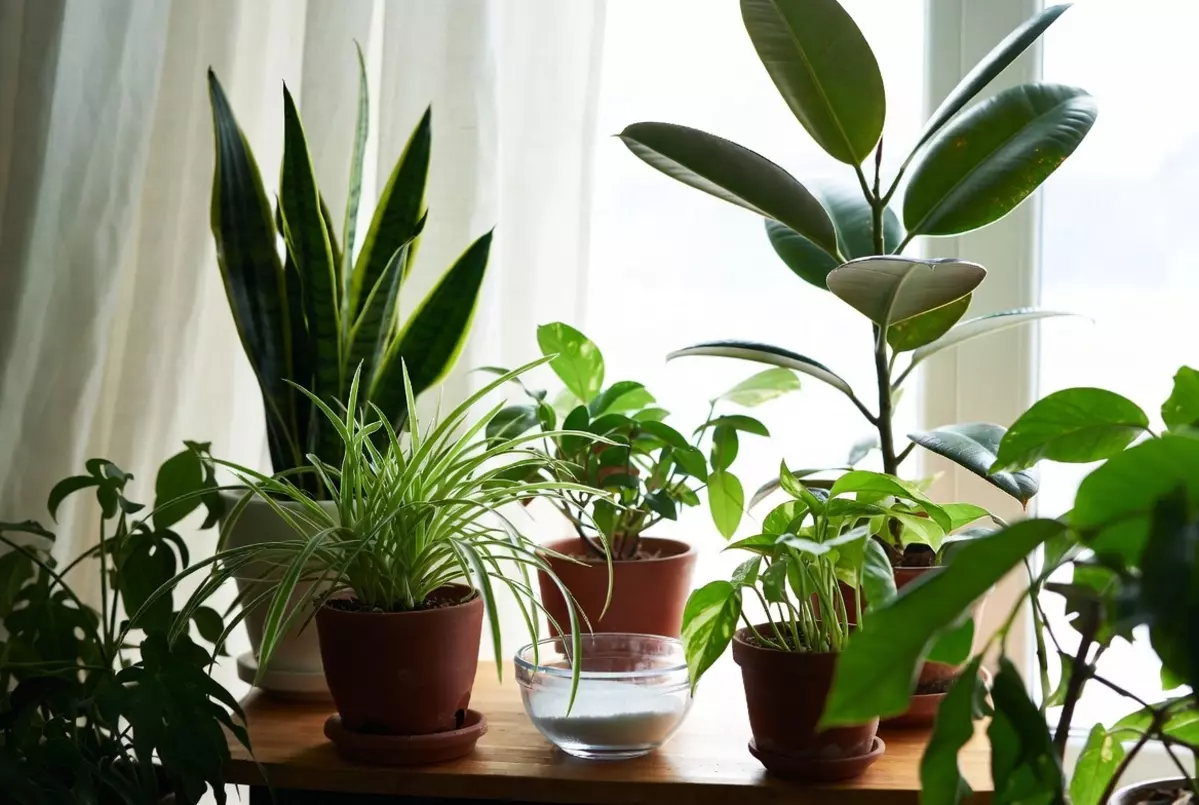
Houseplant enthusiasts often search for natural solutions in their kitchen pantry, and baking soda frequently tops the list. From social media reels to gardening forums, it’s promoted as a miracle fix for mildew, pests, and soil issues. But is baking soda truly beneficial for indoor plants, or does it create more problems than it solves?
After testing and observing its effects on various houseplants, the truth is clear: baking soda can serve as a targeted tool for specific issues, but it’s far from a universal elixir. Used correctly in limited situations, it offers real help. Misused as a routine treatment, it can harm roots, disrupt soil chemistry, and stress your plants over time. This guide breaks down exactly when and how to use it safely.
Baking Soda for Indoor Plants Smart Uses and Serious Risks

### The Science Behind Baking Soda and Houseplants
Baking soda, or sodium bicarbonate, raises pH levels and releases sodium ions when mixed with water. This surface-level change creates an environment less hospitable to certain fungi, especially powdery mildew, which thrives in slightly acidic conditions.
However, indoor plants grow in containers where excess sodium builds up quickly. Unlike garden soil flushed by rain, potting mix traps salts around roots, eventually interfering with water and nutrient absorption. This makes baking soda a situational remedy rather than an everyday booster.
Understanding this chemistry helps you avoid the common trap of over-application, which many beginners fall into after seeing impressive early results.
### When Baking Soda Actually Helps Indoor Plants
#### Controlling Powdery Mildew on Leaves
Powdery mildew ranks as the most effective target for baking soda sprays. This white, flour-like coating commonly appears on plants in humid, low-airflow rooms.
A properly diluted spray raises leaf surface pH just enough to inhibit fungal spore germination. It works best as a preventive measure or during early infection stages. Once mildew spreads heavily or distorts new growth, pruning infected leaves and improving ventilation become far more important than any homemade spray.
#### Managing Surface Mold on Soil
Overly moist pots often develop a fuzzy white or gray film on the soil surface. This indicates poor aeration and excess moisture rather than a serious threat to roots.
A light baking soda solution can temporarily suppress this surface growth by altering pH at the top layer. Treat it strictly as a short-term fix while you address root causes like overwatering, poor drainage, or insufficient light. Baking soda cannot replace proper cultural care.
#### Reducing Sour Soil Odors
Musty or sour-smelling soil signals anaerobic bacteria activity due to waterlogged conditions. Baking soda can help neutralize these odors and stabilize surface pH temporarily.
This approach only makes sense when roots remain healthy. If your plant already shows signs of root rot—such as wilting despite moist soil or yellowing lower leaves—baking soda merely masks symptoms. Repotting with fresh, well-draining mix offers the real solution.
#### Mild Support Against Soft-Bodied Pests
Some growers combine very diluted baking soda with a drop of insecticidal soap to discourage early aphid or mealybug infestations. It doesn’t eliminate established pest colonies but may slow their spread when paired with manual removal and isolation of affected plants.
### Safe Step-by-Step Guide to Using Baking Soda
**Step 1: Create the Right Mixture**
Mix ½ teaspoon of baking soda per quart (about 1 liter) of lukewarm water. Add just one drop of mild liquid dish soap to help the solution spread evenly across leaves. Stir until fully dissolved.
**Step 2: Test First**
Spray a single leaf and wait 24–48 hours to check for adverse reactions like spotting or burning before treating the entire plant.
**Step 3: Apply Correctly**
Spray lightly on affected leaves in the morning so foliage dries quickly. Focus only on problem areas. Avoid drenching the soil or applying directly to roots.
**Step 4: Limit Frequency**
Use no more than once every 10–14 days, and stop after one or two applications unless you see clear improvement. Never use baking soda as a regular fertilizer or soil amendment.
**Important Note**: Always use plain baking soda without added scents, detergents, or aluminum.
### Houseplants That Handle Baking Soda Well
Certain plants tolerate occasional applications better due to their sturdy physiology:
– **Snake Plants and ZZ Plants**: Thick, waxy leaves resist residue buildup and pH changes.
– **Spider Plants and Pothos**: Resilient vines that recover quickly from mild treatments.
– **Rubber Plants and Fiddle Leaf Figs**: Leathery foliage handles surface sprays with minimal stress.
– **Succulents like Jade and Aloe**: Naturally adapted to drier, more alkaline conditions.
These plants evolved in challenging environments, giving them extra resilience to minor chemical fluctuations.
### Plants That Should Avoid Baking Soda
Many popular houseplants react poorly to sodium bicarbonate:
– **Ferns, Calatheas, and Peace Lilies**: These prefer consistently acidic soil. Even small pH shifts can lock out essential nutrients.
– **African Violets and Orchids**: Delicate root systems and fuzzy leaves make them highly sensitive to residue and salt buildup.
– **Begonias and Prayer Plants**: Thin leaves suffer from impaired gas exchange when sprays leave behind film.
– **Seedlings and Freshly Repotted Plants**: Young or recovering root systems lack the established strength to handle added stress.
If you’re unsure about your specific plant, err on the side of caution and skip baking soda entirely.
### Warning Signs of Baking Soda Damage
Problems from overuse develop gradually:
– Yellowing or browning leaf edges, especially on older foliage
– Stunted new growth despite good lighting and watering
– White, crusty residue on soil surfaces
– Leaves losing their natural sheen or becoming brittle
– General wilting even when soil moisture seems adequate
If you notice these symptoms, immediately flush the pot with plenty of plain water (at least 3–4 times the pot volume) to leach out accumulated salts. Then stop all baking soda use and monitor recovery.
### Better Alternatives to Baking Soda for Common Issues
For powdery mildew: Neem oil sprays or horticultural fungicides often provide more consistent control with less risk.
For soil mold: Improve airflow with fans, repot in fresh mix, and adjust watering habits.
For pests: Insecticidal soaps, neem oil, or beneficial insects deliver superior results.
For general plant health: Focus on balanced fertilizer, proper lighting, and appropriate watering schedules—these prevent most issues baking soda tries to fix.
### Debunking Common Baking Soda Myths
Many online sources claim baking soda boosts growth, sweetens soil, or acts as a complete fertilizer. These claims lack scientific support for indoor plants. In reality, routine use often leads to declining health over months as sodium levels rise.
Another myth suggests it’s completely harmless because it’s “natural.” All substances can become problematic in the wrong concentration or context—especially in the confined environment of a plant pot.
### Creating a Balanced Indoor Plant Care Routine
The most successful plant parents prioritize prevention over treatment. Ensure proper:
– **Light**: Match each plant’s needs to avoid weak, disease-prone growth.
– **Watering**: Allow soil to dry appropriately between waterings.
– **Air Circulation**: Use small fans to reduce humidity pockets.
– **Soil Choice**: Select well-aerating mixes tailored to each plant type.
– **Fertilization**: Use balanced, plant-specific nutrients at proper dilutions.
When problems do arise, address root causes first rather than reaching for quick kitchen remedies.
### Conclusion
Baking soda can be a helpful, targeted tool for managing early powdery mildew, surface mold, or minor odors on indoor plants. However, it is not a miracle product or safe all-purpose treatment. Its benefits come with real risks, particularly salt buildup in container environments.
By understanding its limitations and using it sparingly and correctly, you can harness its advantages without harming your green collection. Focus primarily on creating optimal growing conditions, and reserve baking soda for occasional, specific interventions. Your houseplants will reward you with healthier, more vibrant growth when cared for thoughtfully.
### Frequently Asked Questions
**Is baking soda safe for all indoor plants?**
No. While some tough plants like snake plants tolerate it, sensitive varieties such as ferns, African violets, and calatheas can suffer from pH shifts and salt accumulation. Always research your specific plant first.
**How often can I spray baking soda on houseplants?**
Limit applications to once every 10–14 days at most, and only for short periods. Overuse quickly leads to sodium buildup and plant stress.
**Does baking soda kill powdery mildew completely?**
It helps suppress early-stage mildew by changing leaf surface pH, but it rarely cures advanced infections. Combine it with pruning and better airflow for best results.
**Can I add baking soda directly to potting soil?**
Avoid this practice. It increases sodium levels rapidly in containers and can damage roots over time. Use only as a foliar spray when needed.
**What should I do if baking soda harms my plant?**
Flush the soil thoroughly with clean water multiple times to remove excess salts. Move the plant to bright, indirect light and hold off on any treatments until it recovers.
**Are there better natural alternatives to baking soda?**
Yes. Neem oil, horticultural soaps, and improved cultural practices often work more effectively and safely for mildew, pests, and soil issues.
**Will baking soda help my plant grow faster?**
No. It does not function as a fertilizer or growth booster. Consistent proper care with appropriate light, water, and nutrients drives healthy growth far better than any single kitchen ingredient.