
Table of Contents
**Unlock More Kalanchoe Blooms: The Charcoal Secret for Vibrant Flowers**
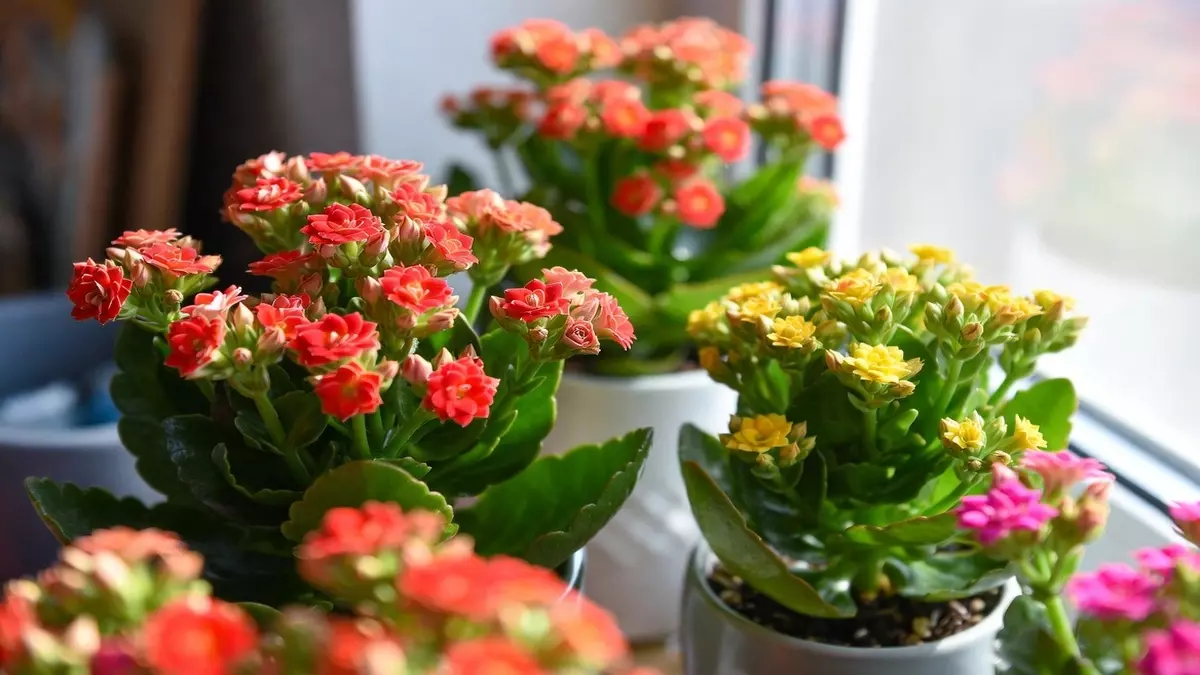
Kalanchoe plants bring cheerful splashes of color to any indoor garden with their clusters of bright red, yellow, orange, or pink flowers. Yet many plant lovers struggle to get these popular succulents to rebloom consistently. If your flaming Katy sits stubbornly green without flowers, you’re not alone.
The good news? A simple, natural trick using charcoal can make a real difference in encouraging abundant blooms. This practical guide shares everything you need to know about Kalanchoe care, including how to use charcoal effectively, plus proven tips to keep your plants healthy and flowering for months.
Unlock More Kalanchoe Blooms The Charcoal Secret for Vibrant Flowers
### Understanding Kalanchoe: The Perfect Flowering Succulent
Kalanchoe blossfeldiana, commonly known as flaming Katy or Christmas kalanchoe, originates from the warm, arid regions of Madagascar and tropical Africa. These succulents store water in their thick, waxy leaves, making them incredibly resilient and low-maintenance.
What makes Kalanchoe so beloved is its long-lasting, vibrant flower displays that can continue for weeks. However, getting them to bloom indoors often requires replicating their natural growing conditions—plenty of light, proper watering, and targeted nutrition. Many gardeners overlook subtle factors like soil health and nutrient availability, which is where charcoal steps in as a game-changing helper.
### Why Charcoal Works Wonders for Blooming Kalanchoe
Charcoal offers several science-backed benefits that directly support flower production in Kalanchoe:
– **Natural Disease Prevention**: Its antiseptic qualities help reduce harmful fungi and bacteria in the soil, protecting the sensitive roots of succulents from rot.
– **Key Nutrient Boost**: Charcoal naturally contains potassium and phosphorus—two essential elements for flowering. Potassium strengthens stems and enhances bloom color and size, while phosphorus supports robust root systems and bud formation.
– **Improved Soil Structure**: By aerating compacted soil, charcoal ensures roots receive adequate oxygen, leading to healthier overall growth and more energy directed toward flower production.
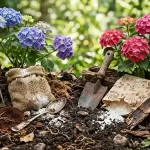
Using clean, untreated charcoal transforms ordinary potting soil into a more supportive environment for your Kalanchoe.
### Step-by-Step Guide: Using Charcoal to Trigger Blooms
Follow this straightforward method to create a charcoal solution that promotes flowering:
**Step 1: Source Safe Charcoal**
Use natural lump charcoal or plain barbecue leftovers. Avoid any briquettes treated with lighter fluid, chemicals, or flavor additives, as these can damage plant roots. Activated charcoal from garden centers also works excellently.
**Step 2: Prepare the Charcoal**
Crush the charcoal into small granules using a hammer or by placing pieces in a sealed bag and crushing them. Aim for roughly one tablespoon of crushed charcoal per liter of water.
**Step 3: Mix the Solution**
Add the crushed charcoal to one liter (about 4 cups) of warm water (120–130°F / 50–54°C). Stir thoroughly and let the mixture steep for at least one hour. This allows beneficial minerals to infuse the water.
**Step 4: Apply to Your Plant**
Water your Kalanchoe at the soil level with the charcoal solution, making sure the soil gets evenly moist but not waterlogged. Use this treatment every two weeks during the growing season for best results.
**Pro Tip**: You can strain the mixture if preferred, though small charcoal particles are generally harmless and may continue releasing nutrients slowly.
### Essential Kalanchoe Care for Maximum Flowering
#### Light Requirements
Kalanchoe needs bright, indirect sunlight to produce flowers. Place it near a south or west-facing window where it receives 4–6 hours of filtered light daily. Too much direct sun can scorch leaves, while insufficient light prevents blooming entirely. If natural light is limited, supplement with grow lights.
#### Watering Best Practices
As a succulent, Kalanchoe prefers the “soak and dry” method. Water thoroughly once the top 2 inches of soil feel completely dry. In summer, this usually means watering every 7–10 days. Reduce to once every 3–4 weeks in winter when the plant rests. Always use pots with excellent drainage to avoid root rot.
#### Temperature and Humidity
Maintain indoor temperatures between 60–85°F (15–29°C). Protect plants from cold drafts below 50°F and extreme heat above 90°F. Average room humidity works well, but good air circulation prevents fungal issues.
#### Fertilizing Schedule
During spring and summer, feed every 6–8 weeks with a balanced, water-soluble fertilizer diluted to half strength. This supports steady growth and prepares the plant for blooming. Skip heavy feeding in fall and winter.
### Common Mistakes That Prevent Kalanchoe Blooms
Many growers face disappointing results due to these frequent errors:
– Overwatering, which causes root problems and weak flowering
– Keeping the plant in low-light spots
– Using heavy, poorly draining soil
– Failing to provide a slight temperature drop at night, which helps trigger bud formation
– Over-fertilizing, leading to lush leaves but few flowers
Correcting these issues alongside the charcoal treatment often leads to dramatic improvements.
### Additional Expert Tips for Healthier, Flower-Filled Kalanchoe
– **Pruning for Bushiness**: Pinch back leggy stems after flowering to encourage compact growth and more side shoots for future blooms.
– **Repotting**: Move to a slightly larger pot every 1–2 years in spring using a cactus or succulent soil mix blended with perlite for drainage.
– **Pest Management**: Watch for mealybugs or aphids. Treat early with neem oil or insecticidal soap.
– **Propagation**: Easily grow new plants from stem cuttings. Let them callus for a few days before planting in well-draining soil.
– **Seasonal Adjustments**: In fall, some gardeners reduce daylight exposure slightly (to 12–14 hours) to encourage winter blooming, mimicking natural short-day conditions.
With consistent care, a single Kalanchoe can produce multiple flowering cycles per year, bringing months of color to your home.
### Why Every Plant Parent Should Try Kalanchoe
Beyond their stunning flowers, Kalanchoe plants are non-toxic to pets, purify indoor air, and thrive even for beginners. Their ability to bloom indoors makes them perfect for tabletops, windowsills, and gift-giving.
The charcoal method adds an affordable, eco-friendly boost that recycles household items while delivering visible results. Many gardeners report stronger blooms and healthier plants within just a few applications.
**Conclusion**
Getting your Kalanchoe to bloom reliably doesn’t have to be complicated. By combining proper lighting, careful watering, and the simple charcoal treatment, you can enjoy wave after wave of vibrant flowers. Start applying this technique today and watch your succulent transform into a colorful showstopper. With a little patience and the right care, your flaming Katy will reward you with beautiful blooms season after season.
### Frequently Asked Questions About Kalanchoe Care
**Why isn’t my Kalanchoe blooming?**
The most common reasons are insufficient bright light, overwatering, or lack of nutrients. Try the charcoal solution and ensure your plant receives adequate indirect sunlight.
**Is charcoal safe for all succulents?**
Yes, natural charcoal benefits most succulents by improving soil health and providing gentle nutrients. Always use untreated varieties.
**How long does it take to see blooms after using charcoal?**
Many gardeners notice improved budding within 4–6 weeks when combined with proper light and watering. Results vary based on the plant’s overall condition.
**Can I use regular barbecue charcoal?**
Only if it’s plain and free of chemicals or flavorings. Rinse it well and crush it before use. Activated charcoal is the safest option.
**How often should I fertilize Kalanchoe?**
Every 6–8 weeks in spring and summer with a diluted balanced fertilizer. Avoid fertilizing during the winter dormant period.
**What’s the best soil for Kalanchoe?**
A fast-draining cactus or succulent mix amended with perlite or sand. Good drainage is essential to prevent root rot.
**Are Kalanchoe plants poisonous to cats or dogs?**
No, they are considered non-toxic, making them a safe choice for pet-friendly homes.
By following these detailed guidelines, you’ll develop strong, free-flowering Kalanchoe plants that brighten your space for years to come. Happy gardening!