
Table of Contents
**Nutritionist Exposes Whole Grain Bread Calorie Myth**
Many health-focused shoppers grab whole-grain or whole-wheat bread believing it delivers a major calorie advantage over white bread. Yet a leading clinical dietitian is setting the record straight: the calorie difference is far smaller than most assume, shifting the focus from labels to overall meal balance and food quality.
This revelation challenges a popular assumption in pantries and lunchboxes across America. While whole grains offer genuine benefits, treating them as an automatic “light” option can lead to misplaced expectations about weight management and daily energy.
The real story goes beyond a simple swap. Understanding how bread fits into your full eating pattern helps create sustainable habits that support better health without frustration.


Nutritionist Exposes Whole Grain Bread Calorie Myth
### The Persistent Myth About Whole Grain Bread Calories
Whole-wheat bread carries a strong health halo. It appears in grocery baskets, gym bags, and morning routines because people often view it as inherently lighter or more diet-friendly than white bread. Clinical dietitian-nutritionist Laura Pérez Naharro challenges this thinking directly.

In clear terms, roughly 100 grams (about 3.5 ounces) of whole-wheat bread provides nearly identical calories to the same amount of white bread. Standard nutrition data shows both varieties typically range from 250 to 270 calories per 3.5 ounces, varying slightly by brand and recipe.
The expert emphasizes that whole-grain bread is not automatically lower in calories, and the energy difference is minimal. This doesn’t mean the breads are nutritionally equal, but it highlights that calorie counting alone misses the bigger picture. The assumption creates a false sense of security for those seeking easier fat loss or better daily control.
### Why Whole Grains Still Deserve Attention Beyond Calories

Dismissing whole grains entirely would overlook their proven strengths. The advantage lies mainly in fiber content, satiety, blood sugar management, and contributions to overall diet quality rather than dramatic calorie savings.
The CDC and MedlinePlus explain that dietary fiber moves through the digestive system more slowly, promoting longer feelings of fullness and steadier blood sugar levels. Whole grains retain the bran and germ, delivering more fiber and nutrients than refined versions where these parts are removed.
In everyday life, this translates to fewer mid-morning cravings. A slice of whole-grain toast paired thoughtfully can sustain energy better than refined alternatives, supporting weight management indirectly through reduced snacking.
### Common Breakfast Pitfalls With Bread Choices
Even nutritious whole-grain bread can undermine goals if eaten in isolation. Pérez notes that large portions of bread alone—without protein, healthy fats, or produce—may leave you hungry soon after, especially on busy days relying heavily on coffee and quick carbs.
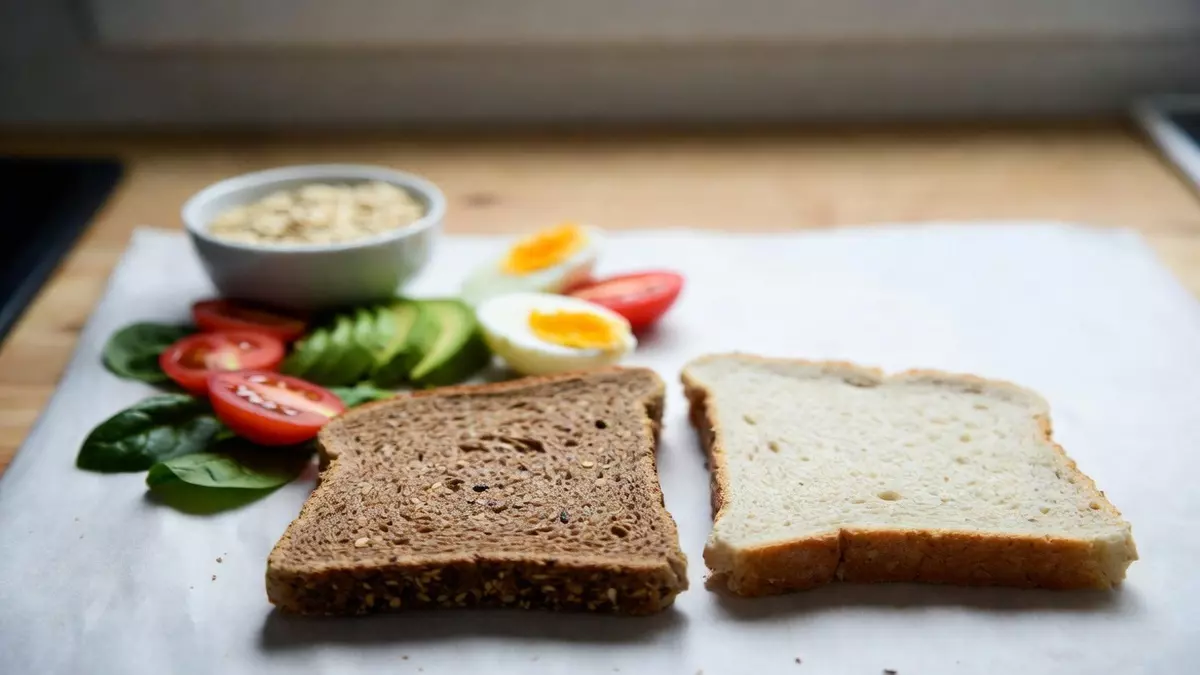
The plate composition matters more than the bread label. Pairing whole-wheat toast with eggs, avocado, nut butter, tuna, Greek yogurt, or olive oil creates a balanced meal that satisfies longer. This approach turns bread from a potential hunger trigger into a supportive foundation.
Focus shifts from “Is this whole grain?” to “What completes this meal for sustained energy and nutrition?”
### When White Bread Might Fit Better Than Processed Alternatives
Here’s a nuance many miss: a simple refined bread option can sometimes outperform an ultra-processed “whole-grain” product. Pérez gives the example of white bread topped with extra-virgin olive oil, tomato, and fresh cheese. This combination can deliver better overall nutrition and satiety than whole-grain cookies loaded with sugar and fats.
Cookies don’t transform into health foods merely by using whole-grain flour. Added sugars, low protein, and poor satiety often lead to overeating. Context and the full food matrix determine value more than marketing claims.
This perspective encourages critical label reading over blind trust in front-of-pack claims.
### Smart Shopping and Label Reading Strategies
Effective choices begin with the ingredient list. Look for whole grains listed first rather than relying solely on “whole grain” or “multigrain” marketing. The latest U.S. Dietary Guidelines for Americans 2025-2030 strongly recommend prioritizing fiber-rich whole grains while significantly reducing highly processed refined carbohydrates like white bread in excess.
Processing level still influences results. Finely ground whole-grain flours or flakes digest faster than intact or coarsely textured versions, potentially reducing the fullness factor. A bowl of steel-cut oats differs greatly from a highly processed whole-grain snack bar despite both being “whole grain.”
### Special Considerations for Different Life Stages and Needs
Whole grains benefit most adults as a default choice, but exceptions exist. Young children need adequate calories for growth, and excessive fiber can sometimes limit intake before energy needs are met.
Individuals with digestive conditions like IBD may require temporary adjustments during flares, favoring lower insoluble fiber options under professional guidance. Tolerance often improves during remission periods.
Athletes and active people benefit from strategic timing. Faster-digesting refined carbs can fuel intense training or competition more effectively than high-fiber choices in specific windows, without opening the door to junk food.
Personalization remains key. Consult a registered dietitian for tailored advice when managing medical conditions.
### Building Balanced Meals Around Bread for Better Results
Successful integration involves thoughtful pairings:
– **Protein power**: Add eggs, cottage cheese, or deli turkey for staying power.
– **Healthy fats**: Include avocado, nuts, or olive oil to slow digestion.
– **Produce boost**: Layer tomatoes, spinach, or berries for fiber and micronutrients.
– **Portion awareness**: Stick to realistic servings while monitoring total daily intake.
These combinations maximize the fiber and nutrient advantages of whole grains while addressing the similar calorie profiles.
### Complementary Habits for Long-Term Success
Bread choices work best within broader patterns. The 2025-2030 Dietary Guidelines emphasize whole, nutrient-dense foods including vegetables, fruits, proteins, and healthy fats alongside whole grains.
Combine with regular physical activity, adequate sleep, and stress management for optimal metabolic health. Track progress through energy levels, hunger patterns, and how clothing fits rather than obsessing over scale numbers alone.
Experiment with recipes to keep meals enjoyable. Whole-grain bread makes excellent bases for avocado toast, hearty sandwiches, or French toast with fruit and yogurt.
### Conclusion: Focus on the Full Picture for Smarter Eating
Whole-grain bread offers real advantages in fiber, nutrients, and satisfaction, but it doesn’t provide a significant calorie shortcut compared to white bread. Debunking this myth frees people to make decisions based on complete meals, personal needs, and enjoyment rather than oversimplified assumptions.
Prioritize quality ingredients, balanced plates, and sustainable habits. Whether choosing whole wheat or occasional white, the goal remains nourishing your body effectively within a varied diet. Small, informed adjustments to bread and its companions create lasting positive impacts on energy, health, and well-being.
### FAQ: Whole Grain Bread Questions Answered
**1. Does whole grain bread really have the same calories as white bread?**
Per equal weights, the calorie difference is minimal—often just a few calories per slice. The nutritional edge comes from fiber and nutrients, not energy reduction.
**2. What should I look for when buying bread?**
Check the ingredient list for whole grains first. Aim for at least 2-3 grams of fiber per slice, low added sugars, and minimal processing.
**3. Is it okay to eat white bread sometimes?**
Yes, especially when paired with nutritious toppings. Occasional use fits well-balanced diets better than ultra-processed snacks labeled as whole grain.
**4. How much whole grain bread should I eat daily?**
Follow guidelines suggesting 2-4 servings of whole grains per day, adjusted for your calorie needs and activity level.
**5. Can whole grains help with weight management?**
They support it through better fullness and blood sugar control, helping reduce overall intake when part of balanced meals.
**6. Are there people who should limit whole grains?**
Young children, those with certain digestive issues, or athletes in specific training phases may need adjustments. Consult a professional for personalized advice.
**7. What are the best ways to enjoy whole grain bread?**
Pair with protein and fats like eggs and avocado, use in veggie-packed sandwiches, or toast with nut butter and fruit for satisfying meals.