
Table of Contents
**1 Easy Paper Towel Trick Keeps Glass Cooktops Spotless**
Glass-ceramic cooktops deliver that sleek, modern kitchen look everyone loves—until a single meal leaves behind stubborn streaks, cloudy marks, and frustrating smudges. The good news? You don’t need expensive cleaners, extra elbow grease, or harsh scrubbing to maintain that showroom shine. A straightforward final step using a simple paper towel can eliminate residue and restore clarity with minimal effort.
Home cleaning experts and major appliance brands agree that the secret often lies in proper drying rather than more aggressive cleaning products. This small habit prevents the common cycle of repeated wiping and helps protect your investment in a smooth, easy-to-maintain surface. For busy households cooking multiple times daily, this approach saves time while delivering consistently better results.
1 Easy Paper Towel Trick Keeps Glass Cooktops Spotless

### Why Glass-Ceramic Cooktops Show Every Mark So Easily
Glass-ceramic surfaces look elegant but reveal every imperfection under kitchen lighting. Oil splatters, water spots, and leftover cleaning solution create hazy films that make even freshly wiped tops appear dull. The problem usually isn’t leftover food—it’s moisture and residue dragged across the glass during cleaning.
Many people make the same mistakes: using overly damp cloths that leave streaks or failing to fully dry the surface afterward. Reusable cloths can also trap tiny bits of grease and detergent, redepositing them during the final wipe. These issues compound on glossy finishes where light highlights every flaw, turning routine maintenance into an annoying chore.

### The Paper Towel Polish That Changes Everything
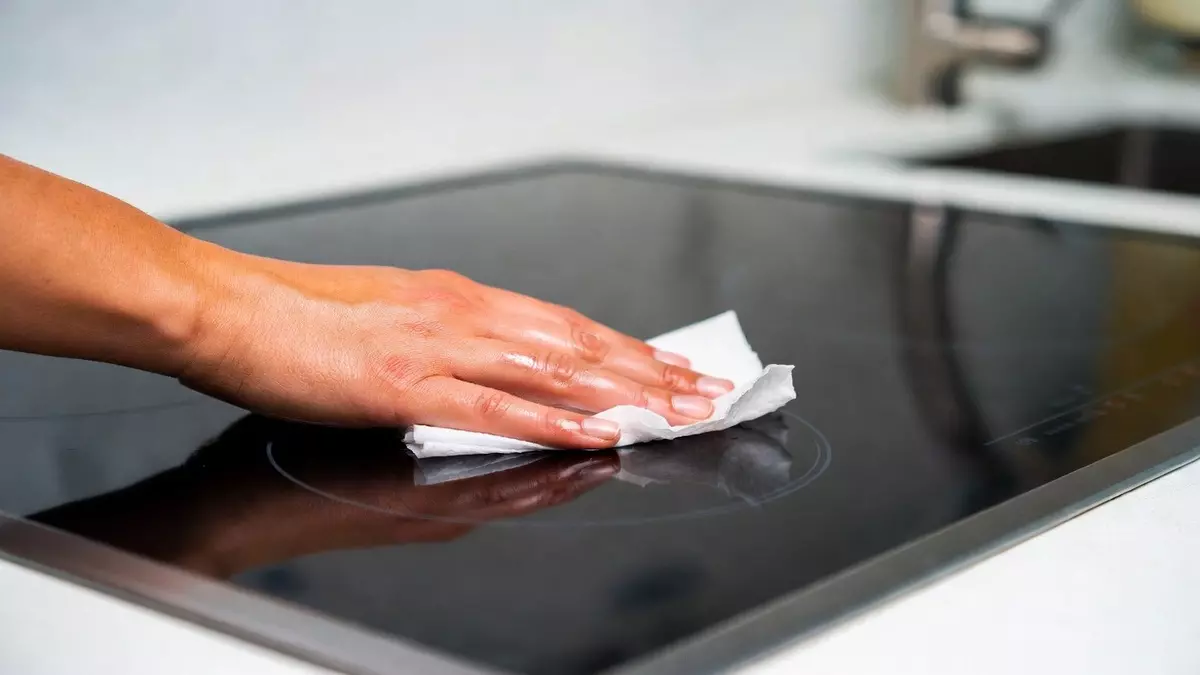
After removing spills and grime, grab a fresh, dry paper towel for the finishing touch. Gentle, circular or straight-line motions absorb remaining moisture and lift faint films that cloths often miss. This final pass buffs the surface to a clear, streak-free shine that lasts longer.
Major manufacturers back this method. Whirlpool recommends polishing with a clean, dry cloth or paper towel as the last step after cleaning. KitchenAid and GE Appliances offer similar guidance, noting that thorough drying removes cleaning residue effectively without additional products.

The beauty of this trick lies in its simplicity. Paper towels are disposable and absorbent, reducing the chance of reintroducing dirt compared to cloths that may not be completely clean. One sheet often suffices for an entire cooktop, making it practical for quick daily touch-ups.
### Step-by-Step Routine for a Flawless Cooktop Every Time
Follow this efficient process to keep your glass-ceramic surface looking its best:
1. **Safety first**: Always turn off the cooktop and wait until it’s cool enough to touch comfortably—warm but not hot. Hot surfaces can set residues or create fumes from cleaners.
2. **Remove loose debris**: Use a soft scraper or damp cloth to clear crumbs and large particles without scratching.
3. **Clean with a mild solution**: Wipe using a soft cloth dampened with warm water and a drop of dish soap, or a diluted white vinegar mix. Vinegar helps break down stubborn spots naturally. Avoid soaking the surface.
4. **The paper towel finish**: Dry and polish immediately with a clean paper towel. Work in sections, flipping the towel as needed for maximum absorbency. Light pressure is plenty—no heavy scrubbing required.
This routine takes just a few minutes but prevents buildup that leads to more difficult cleaning later. For occasional deeper cleans, allow a vinegar solution to sit briefly on cooled spots before wiping.
### Benefits Beyond Just Appearance
Maintaining a spotless cooktop isn’t only about aesthetics. A clean surface heats more evenly, reduces fire hazards from grease accumulation, and extends the appliance’s lifespan. Regular gentle care avoids the need for abrasive products that can eventually cause micro-scratches or dull the glass over years of use.
This method also supports a calmer kitchen environment. No more last-minute panic wiping before guests arrive or frustration over persistent clouds. Many homeowners report that adopting the paper towel step cut their cleaning time in half while improving overall satisfaction with their cooking space.
### Choosing the Right Cleaners and Tools
Skip harsh chemical sprays for daily maintenance. Mild options like dish soap, baking soda paste for tough spots, or commercial glass-ceramic cleaners formulated specifically for these surfaces work best. EuroKera, a leading glass-ceramic producer, advises using designated products and always drying thoroughly.
Paper towels offer convenience, but select quality ones that don’t leave lint. Microfiber cloths can substitute for the final polish if you prefer reusable options—just ensure they’re freshly laundered and completely dry. Avoid steel wool, abrasive pads, or gritty powders entirely, as they risk permanent scratches even if damage isn’t immediate.
### Smart Habits to Prevent Future Marks and Scratches
Prevention beats constant correction. Lift cookware instead of sliding it across the surface to avoid scratches. Wipe spills immediately while the cooktop is still warm (but not hot) for easier removal. Maytag recommends addressing messes promptly before they bake on during subsequent use.
Additional protective practices include:
– Using cookware with flat, smooth bottoms that make full contact.
– Avoiding oversized pots that overlap heating elements.
– Scheduling a quick evening wipe-down as part of your kitchen reset routine.
These habits, combined with the paper towel technique, minimize deep cleaning sessions and keep the surface looking pristine week after week.
### Common Mistakes That Undo Your Cleaning Efforts
Even careful cooks fall into these traps:
– **Overusing cleaner**: Excess product leaves hazy buildup that attracts dust and fingerprints.
– **Cleaning while hot**: Spraying on warm surfaces can cause streaking or etching.
– **Relying solely on wet wipes**: Without a dry finish, moisture creates the very clouds you’re trying to eliminate.
– **Ignoring edges and corners**: Residue often collects around control knobs and burner outlines.
Addressing these ensures your efforts deliver lasting clarity rather than temporary improvements.
### Comparing Paper Towels to Other Drying Methods
| Method | Pros | Cons | Best For |
|———————|——————————-|———————————–|——————————|
| Paper Towels | Highly absorbent, disposable, lint-free options | Single-use cost | Quick daily polishing |
| Microfiber Cloths | Reusable, effective buffing | Requires thorough laundering | Eco-conscious households |
| Cotton Towels | Soft and gentle | Can leave fibers if not clean | Light touch-ups |
| No Drying | Saves time initially | Leaves streaks and films | Never recommended |
Paper towels frequently win for convenience and consistent results on glass-ceramic tops, especially in high-use kitchens.
### Long-Term Care and When to Seek Professional Help
Consistent use of this technique maintains the cooktop’s appearance and performance for years. However, deep scratches or etched marks from improper care may require specialized restoration. In those cases, consult your appliance manual or a professional technician rather than attempting DIY fixes that could worsen damage.
For new installations, review the manufacturer’s specific guidelines—most emphasize gentle cleaning and complete drying from day one. This proactive approach protects your warranty and keeps the surface performing at its best.
### Creating a Stress-Free Kitchen Cleaning Routine
Integrate the paper towel trick into broader habits for a consistently inviting kitchen. Pair it with evening counter wipes and weekly appliance checks. A clean cooking area reduces mental load during meal prep and makes hosting easier.
Many find that small upgrades—like keeping a roll of paper towels dedicated to kitchen surfaces—streamline the process further. The goal isn’t perfection but reliable maintenance that fits real life with kids, pets, and busy schedules.
### Conclusion: Achieve a Showroom Shine With Minimal Effort
Transforming your glass-ceramic cooktop care doesn’t require stronger chemicals or harder work. The humble paper towel, used as a final drying and polishing step, consistently delivers the clear, streak-free results that make modern kitchens shine. By focusing on proper technique, mild solutions, and preventive habits, you maintain both beauty and functionality without frustration.
This practical approach proves that smart, simple changes often outperform complicated routines. Next time you clean, finish strong with that dry paper towel pass—you’ll immediately notice the difference in clarity and smoothness. Your cooktop will thank you with years of reliable, beautiful performance.
### FAQ: Glass-Ceramic Cooktop Cleaning Questions Answered
**1. How often should I clean my glass-ceramic cooktop?**
Daily wipes for spills and a full clean every few days keeps it in top condition. More frequent use means more regular attention.
**2. Can I use vinegar on my cooktop every time?**
Yes, diluted white vinegar works well for most maintenance. It cuts grease naturally without harsh chemicals, but always follow with thorough drying.
**3. Will paper towels scratch my cooktop?**
No. When used gently for drying and polishing, paper towels are safe and effective. Avoid abrasive materials instead.
**4. What’s the best way to remove burnt-on food?**
Let the surface cool slightly, apply a recommended cleaner or baking soda paste, let it sit, then gently scrape with a plastic tool before polishing with a paper towel.
**5. Are microfiber cloths better than paper towels?**
Both work well. Paper towels excel for quick, lint-free results, while clean microfiber cloths offer an eco-friendly reusable option.
**6. Why does my cooktop still look streaky after cleaning?**
Residual moisture or cleaner is usually the culprit. Adding the dry paper towel polishing step typically resolves this immediately.
**7. Can heavy cookware damage the surface?**
Sliding heavy pans can cause scratches. Always lift pots and pans rather than dragging them across the glass.