
Table of Contents
**7 Easy Tricks for Wandering Jew Blooms Indoors**
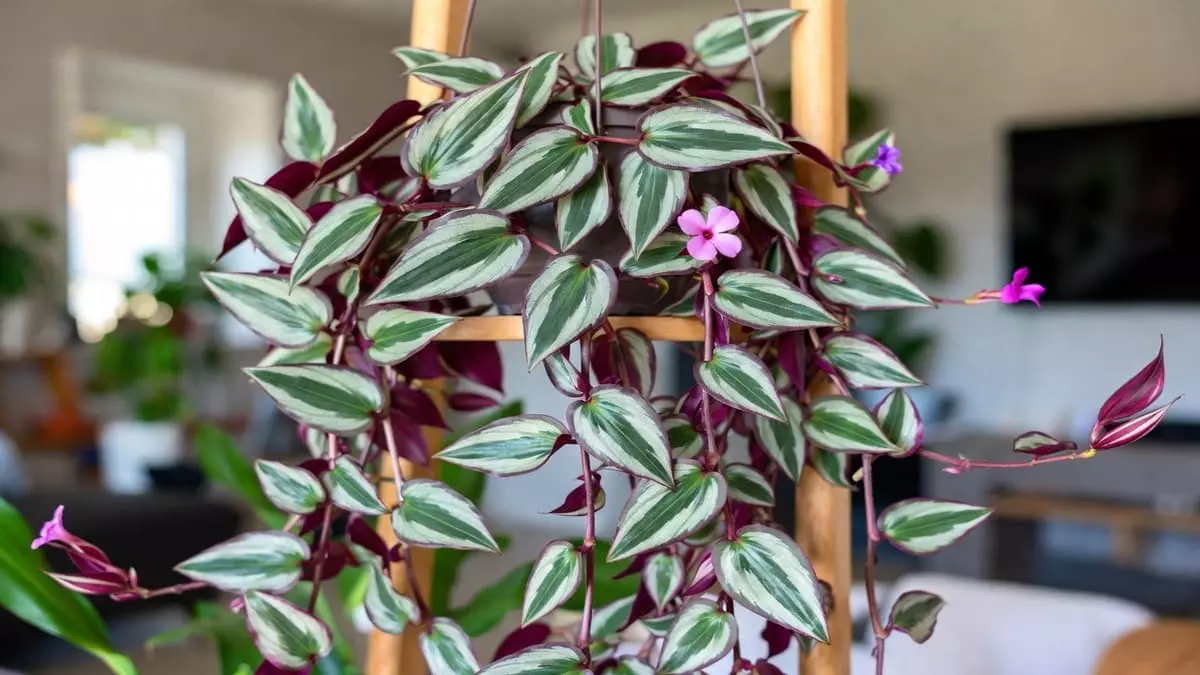
If your trailing Wandering Jew plant looks lush and vibrant but never flowers, you’re not alone. Most people grow this stunning houseplant purely for its colorful, striped foliage. Yet under the right conditions, Tradescantia zebrina and its relatives can surprise you with delicate little blooms in shades of pink, purple, or white.
These small flowers may not last long, but they add a charming bonus to an already beautiful plant. The good news? Getting your Wandering Jew to bloom indoors is easier than many gardeners realize. With a few targeted adjustments to light, care, and feeding, you can dramatically increase your chances of seeing those elusive flowers.
7 Easy Tricks for Wandering Jew Blooms Indoors
### Why Most Wandering Jew Plants Don’t Bloom Indoors
The Wandering Jew (also called inch plant or spiderwort) is a fast-growing tropical that thrives in average home conditions. However, it often stays in “growth mode,” focusing all its energy on leaves and vines instead of reproduction.
By understanding what triggers flowering and making small changes, you can shift your plant toward blooming while keeping it healthy and full. These seven proven tricks have helped many indoor gardeners finally enjoy flowers on their Tradescantia.

### 1. Give It Plenty of Bright, Indirect Light
Light is the single most important factor for encouraging Wandering Jew blooms. In low-light spots, the plant stretches and produces beautiful foliage but rarely flowers.
Place your plant near an east-facing window where it receives gentle morning sun and bright indirect light throughout the day. South or west windows work too, but use sheer curtains to prevent harsh direct rays that can scorch the leaves.
Aim for 10–14 hours of good light daily. During darker winter months, supplement with a full-spectrum grow light. Many growers report that consistent bright light is the key that finally triggers flower buds after months of no blooms.
### 2. Maintain Warm, Stable Temperatures
As a tropical native, Wandering Jew loves consistent warmth. Keep daytime temperatures between 65–80°F (18–27°C) and avoid letting nights drop below 60°F.
Sudden temperature swings from drafty windows, heating vents, or air conditioning can stress the plant and halt flowering. Find a comfortable, stable spot in your home where the temperature doesn’t fluctuate much.
Warm conditions combined with good humidity encourage the plant to put energy into producing flowers rather than just surviving.
### 3. Adjust Your Watering Schedule
Overwatering is a common mistake that keeps Wandering Jew in leafy growth mode. To encourage blooming, let the top inch of soil dry out between waterings.
This slight drying period creates mild stress that signals the plant it’s time to reproduce. Water thoroughly when needed, then allow the soil to approach dryness before the next drink. Always use pots with good drainage to prevent root rot.
Avoid keeping the soil constantly soggy. This “water, dry slightly, repeat” rhythm often makes a big difference in flower production.
### 4. Switch to a Phosphorus-Rich Fertilizer
Standard high-nitrogen fertilizers promote lots of green growth but can suppress flowering. For blooms, switch to a balanced or bloom-boosting fertilizer with higher phosphorus, such as a 10-20-10 formula.
Feed your Wandering Jew every 4–6 weeks during spring and summer, diluting to half strength. Skip fertilizing in winter when growth naturally slows.
This targeted feeding supports flower development without pushing excessive foliage. Over-fertilizing can cause salt buildup, so always flush the soil occasionally with plain water.
### 5. Prune Regularly to Spark New Growth
Wandering Jew flowers appear most often on fresh, young stems. Regular pruning keeps the plant bushy and stimulates new shoots where blooms are more likely to form.
Use clean scissors to trim leggy vines, pinch growing tips, and remove any yellow or damaged leaves. You can even propagate the cuttings in water to grow new plants.
Pruned plants tend to be fuller and more compact — the perfect shape for showing off both foliage and flowers. Pruning every 1–2 months during the growing season works wonders.
### 6. Introduce Gentle Stress to Encourage Flowering
In nature, many plants bloom when they experience mild stress. You can safely mimic this indoors by:
– Letting the plant become slightly root-bound in its pot
– Providing brighter light than usual for a few weeks
– Reducing watering frequency just a bit more during the active growing season
The goal is never to harm the plant, but to nudge it toward reproduction. This technique works especially well when combined with strong light and proper feeding.
### 7. Boost Humidity and Overall Plant Health
Wandering Jew appreciates humidity levels around 50–70%. Dry indoor air from heaters or air conditioning can limit blooming.
Increase humidity by grouping plants together, using a pebble tray with water, or running a small humidifier nearby. Healthy, unstressed plants with good humidity are far more likely to flower.
Also, repot every 1–2 years using fresh, well-draining potting mix to refresh nutrients and give roots room to grow.
### Common Mistakes That Prevent Wandering Jew Blooms
– Placing the plant in too little light
– Using only nitrogen-heavy fertilizer
– Keeping soil constantly wet
– Allowing the plant to become extremely leggy without pruning
– Exposing it to cold drafts or big temperature changes
Avoiding these pitfalls dramatically raises your success rate.
### Best Wandering Jew Varieties for Indoor Flowering
Some types bloom more readily than others. Tradescantia zebrina (classic purple and silver) and Tradescantia fluminensis are popular choices. Newer varieties with more compact growth habits often flower more generously indoors.
### How to Enjoy the Blooms When They Appear
The small, three-petaled flowers usually open in the morning and fade by afternoon. While they don’t last long, they add a sweet surprise. Take photos when they appear — they’re a sign you’ve nailed the care routine.
### Final Thoughts on Getting Your Wandering Jew to Flower
Blooming isn’t guaranteed with every Wandering Jew, but these seven tricks create the ideal conditions for success. Focus on bright light, proper watering, strategic feeding, and regular pruning. Be patient and consistent — many gardeners see their first indoor flowers after 6–12 months of optimized care.
A thriving Wandering Jew is beautiful even without blooms, but those delicate flowers feel like a special reward. Start applying these tips today and enjoy a fuller, healthier plant that might just surprise you with blossoms.
### FAQ: Making Wandering Jew Bloom Indoors
**How long does it take for a Wandering Jew to bloom indoors?**
With good conditions, you may see flowers in 3–6 months. Some plants take longer, especially if they were previously in low light.
**Can all Wandering Jew varieties bloom inside?**
Most can, but some varieties are more willing to flower than others. Brighter light and proper care increase the odds significantly.
**Why are my Wandering Jew leaves colorful but no flowers?**
Too much nitrogen, insufficient light, or overly wet soil often keeps the plant focused on foliage instead of blooms. Adjust those factors first.
**Should I cut off flowers when they appear?**
No need. Let them fade naturally. Removing spent blooms isn’t necessary like it is with some flowering plants.
**Is it normal for flowers to last only one day?**
Yes. Wandering Jew flowers are short-lived but can appear repeatedly under good conditions.
**Can I use regular houseplant fertilizer for blooming?**
You can, but switching to one higher in phosphorus during the growing season gives better results for flower production.
Ready to see those delicate blooms on your Wandering Jew? With brighter light, smarter watering, and a few other easy adjustments, you’ll be well on your way to a flowering indoor plant that turns heads.