
Table of Contents
- 1. The Science of Vinegar: Why It Kills Plants
- 1.1. How Vinegar Works as a Natural Weed Killer
- 1.2. The Hidden Limitations of Acetic Acid
- 2. How Vinegar Affects Soil Health and pH
- 2.1. The Myth of Permanent Soil Acidification
- 2.2. The Threat to Microscopic Soil Life
- 3. Using Vinegar for Pest Control: Risks vs. Benefits
- 3.1. Temporary Repellent for Garden Pests
- 3.2. The Danger of Leaf Scorching
- 4. Where Vinegar Truly Shines: Cleaning and Maintenance
- 4.1. Restoring Terracotta Pots and Plastic Containers
- 4.2. De-Rusting and Sanatizing Garden Tools
- 5. Critical Gardening Mistakes: What You Should Never Do
- 6. Smart, Safe Alternatives for Your Landscape
- 7. Conclusion: A Powerful Tool That Demands Respect
- 8. Frequently Asked Questions
- 8.1. 1. Will standard kitchen vinegar kill large, established weeds?
- 8.2. 2. Is horticultural vinegar safer to use than household vinegar?
- 8.3. 3. Can I use vinegar to permanently lower my soil’s pH?
- 8.4. 4. Will spraying vinegar around my plants hurt my earthworm population?
- 8.5. 5. How long should I wait to plant something after applying vinegar to the soil?
Warning: Using Vinegar in Your Garden Could Do More Harm Than Good
Vinegar is frequently praised in home gardening circles as a miraculous, budget-friendly cure-all. From clearing out stubborn weeds to adjusting soil chemistry, the internet is flooded with DIY recipes claiming this kitchen staple can replace harsh chemical treatments. Because it is natural, many growers assume it is completely safe.
However, the reality of using vinegar in the yard is far more nuanced. While it is a powerful tool, it is also unselective and highly destructive if misapplied. Understanding the science of how vinegar interacts with plants, soil biology, and garden equipment is essential to avoiding costly backyard blunders.
Medieval Monastery Uncovered Beneath Historic German City Center
The Science of Vinegar: Why It Kills Plants
To use vinegar effectively, you first need to understand what it actually does to plant tissue. Household vinegar typically contains about 5% acetic acid, while industrial-strength horticultural vinegar can contain 20% or more. Acetic acid acts as a contact herbicide, meaning it strips away the protective waxy cuticle on a plant’s leaves, causing the cells to rapidly lose moisture and dehydrate.
How Vinegar Works as a Natural Weed Killer
When you spray vinegar on a bright, sunny day, it works with impressive speed. Within a matter of hours, treated weeds will begin to wither, turn brown, and collapse. This rapid action makes it highly effective against young, shallow-rooted annual weeds, such as:
Crabgrass seedlings
Newly sprouted dandelions
Common chickweed
The Hidden Limitations of Acetic Acid
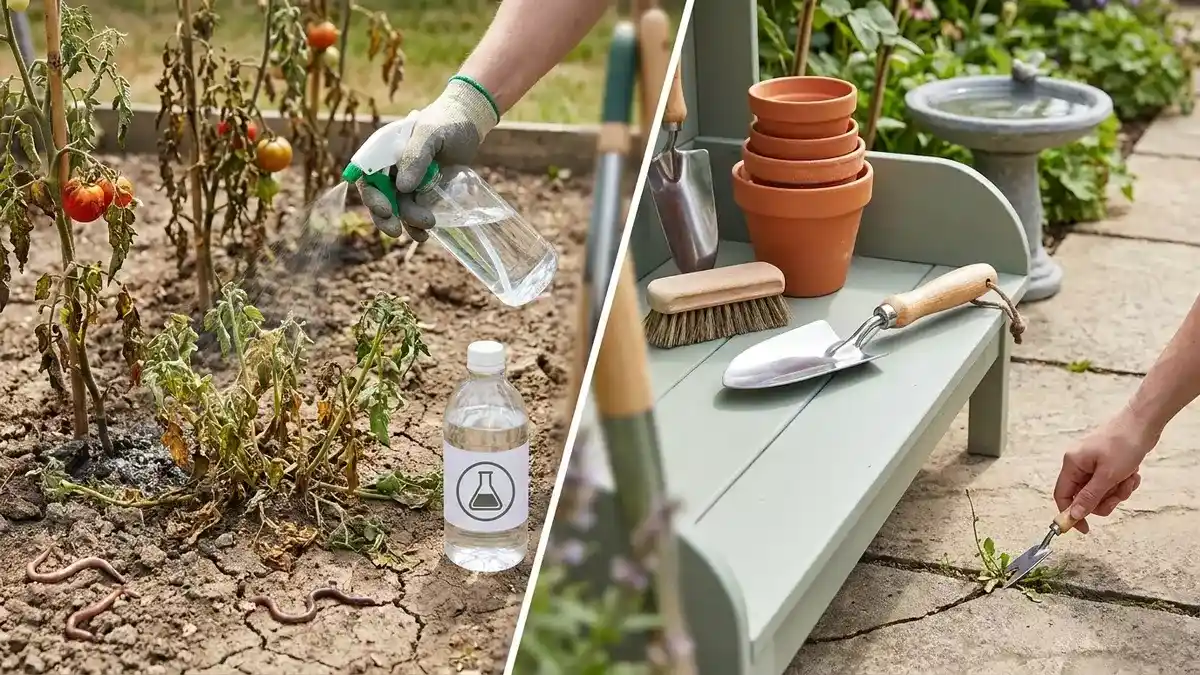
Despite its speed, vinegar has a major physiological limitation: it is a non-systemic topical treatment. This means it only destroys the vegetation it physically touches and does not translocate down into the root system.
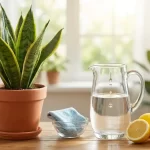
Tough, established perennial weeds like field bindweed, Canada thistle, and dandelion deep-roots store massive amounts of energy underground. While a vinegar spray will scorch their top leaves, the roots will simply send up fresh, new growth a few days later. Furthermore, vinegar is completely non-selective. It cannot differentiate between an invasive weed and your prized heirloom tomatoes; any foliage it mistakingly splashes against will suffer severe chemical burns.
How Vinegar Affects Soil Health and pH
Beyond the leaves, vinegar also interacts directly with the ground underneath your feet. Because acetic acid has a low pH, pouring it onto your garden beds will immediately alter the local soil environment.
The Myth of Permanent Soil Acidification
Many gardeners with alkaline soil attempt to use diluted vinegar to cater to acid-loving plants like blueberries, azaleas, rhododendrons, and hydrangeas. While watering these varieties with a highly diluted solution (roughly 1 to 2 tablespoons per gallon of water) can provide a very brief, localized drop in pH, the effect is fleeting.
Natural soil chemistry is highly buffered, meaning it quickly reverts to its original baseline. Relying on vinegar for long-term pH management is an exercise in futility.
The Threat to Microscopic Soil Life
The more significant danger of pouring vinegar onto garden beds is the damage it inflicts on the underground ecosystem. Healthy soil thrives on a complex web of beneficial bacteria, mycorrhizal fungi, and earthworms.
Repeatedly drenching your soil with an acidic solution creates a hostile environment that can kill off these microscopic allies. Over time, this degrades the biological health of your soil, making it harder for your intentional plants to absorb nutrients and fight off natural diseases.
Using Vinegar for Pest Control: Risks vs. Benefits
Another popular backyard remedy involves using vinegar to repel unwanted visitors, ranging from tiny insects to neighborhood pets. While it can sometimes work as a temporary deterrent, it carries a high risk of accidental damage.
Temporary Repellent for Garden Pests
The pungent, sharp odor of acetic acid is highly offensive to many creatures. Gardeners often use it to ward off:
Ants: Wiping down surfaces breaks up their scent trails.
Slugs and Snails: The acidic barrier deters them from crossing into planting zones.
Neighborhood Cats: The strong smell discourages them from using fresh garden soil as a litter box.
The Danger of Leaf Scorching
The primary risk here is application method. Spraying a vinegar mixture directly onto your ornamental or vegetable crops to deter pests is highly risky. The acid will leave your plants looking scorched and structurally weakened, making them even more vulnerable to the very pests you are trying to eradicate.
If you want to use vinegar as a barrier, a much safer approach is to wipe it exclusively along the outer rims of raised beds, plastic containers, or hardscaping boundaries where it will never make contact with living foliage.
Where Vinegar Truly Shines: Cleaning and Maintenance
While vinegar poses significant risks to living plants and active soil, it is an absolute superstar when it comes to maintaining your gardening infrastructure and tools.
Restoring Terracotta Pots and Plastic Containers
Over time, hard water and fertilizer salts leave unsightly, crusty white mineral deposits on the sides of terracotta and clay pots. Because vinegar is acidic, it easily dissolves these alkaline buildups. Soaking your old pots in a mixture of equal parts water and white vinegar breaks down the scaling, making them look brand new.
De-Rusting and Sanatizing Garden Tools
If your pruners, trowels, and shears have developed a layer of rust, a brief vinegar bath can loosen the corrosion. Simply submerge the metal components in vinegar for a few hours, scrub away the loosened rust with a wire brush, and dry them completely.
Additionally, vinegar is excellent for cleaning birdbaths and wild bird feeders. It serves as an eco-friendly alternative to harsh chemical bleach, safely cutting through grime and algae without leaving toxic residues behind for local wildlife.
Important Safety Note: No matter what garden items you clean with vinegar, always rinse them thoroughly with fresh water afterward. Residual acid left on tools can degrade metal components over time, and leftover residue in birdbaths can irritate wildlife.
Critical Gardening Mistakes: What You Should Never Do
To protect the investment you have made in your landscape, keep these strict boundaries in mind when handling vinegar outdoors:
Never pour it directly into garden beds: Drenching the earth destroys the living soil microbiome and can create localized dead zones.
Keep it far away from your lawn: Spraying vinegar near your grass will leave permanent, unsightly brown patches that require reseeding.
Do not use it on seedlings or delicate plants: Young sprouts and fragile ornamental flowers lack the structural resilience to survive even minor accidental overspray.
Smart, Safe Alternatives for Your Landscape
If you want to achieve the results people promise from vinegar without risking the health of your garden, opt for these proven, sustainable alternatives:
| Desired Goal | Vinegar Approach (Risky) | Superior Alternative (Safe & Effective) |
| Long-Term Weed Control | Repetitive foliage spraying | Organic mulch, cardboard smothering, or manual weeding |
| Lowering Soil pH | Pouring diluted liquid acid | Mixing in elemental sulfur, peat moss, or composted pine needles |
| Managing Foliar Pests | Direct crop spraying | Neem oil, insecticidal soaps, or physical row covers |
Conclusion: A Powerful Tool That Demands Respect
Vinegar deserves a permanent spot in your gardening shed, but primarily as a cleaning agent rather than an agronomic solution. It is exceptional for refreshing old pots, restoring rusty tools, and safely clearing away weeds that pop up in isolated concrete driveway cracks or gravel paths.
However, when it comes to managing active garden beds, nurturing delicate crops, or altering your soil chemistry, vinegar is simply too volatile. By treating vinegar as a specialized, sharp tool rather than a blanket cure-all, you can keep your garden thriving, healthy, and safe.
Frequently Asked Questions
1. Will standard kitchen vinegar kill large, established weeds?
No. Standard household vinegar (5% acetic acid) only has enough strength to burn the top growth of small, young annual weeds. Large, established weeds with deep taproots will easily recover and regrow from their root systems.
2. Is horticultural vinegar safer to use than household vinegar?
Horticultural vinegar is actually much more dangerous. It contains a highly concentrated level of acetic acid (often 20% or higher), which can cause severe burns to your skin and permanent eye damage if mishandled. It must be used with extreme caution and proper protective gear.
3. Can I use vinegar to permanently lower my soil’s pH?
No. Vinegar provides a very brief, temporary drop in soil pH, but it breaks down quickly and the soil will revert to its original levels. To safely and permanently lower soil pH for acid-loving plants, use organic amendments like elemental sulfur or peat moss instead.
4. Will spraying vinegar around my plants hurt my earthworm population?
Yes, if it saturates the soil. Direct contact with vinegar can be lethal to earthworms and beneficial soil microbes due to its high acidity. It should never be poured directly onto active planting soil.
5. How long should I wait to plant something after applying vinegar to the soil?
Because vinegar degrades rapidly in the environment, its acidic impact on the soil typically dissipates within 48 to 72 hours. However, to ensure your new plants are safe from any residual surface acid, it is best to wait a few days and thoroughly water the area before planting.