
Table of Contents
- 1. The Science Behind Wick Watering: Capillary Action
- 2. Gathering Your Supplies
- 3. Step-by-Step Guide to Setting Up Your Wick System
- 3.1. Step 1: Size and Fill Your Reservoir
- 3.2. Step 2: Elevate the Water Source
- 3.3. Step 3: Measure and Cut the Wicks
- 3.4. Step 4: Prime the System
- 3.5. Step 5: Secure the Wicks
- 4. Pro-Tips for Vacation Watering Success
- 5. Summary: A Stress-Free Return to Green Gardens
- 6. Frequently Asked Questions
- 6.1. 1. How long can a wick watering system keep my plants alive?
- 6.2. 2. Can I use this method for outdoor potted plants on a porch?
- 6.3. 3. Will this system work for succulents and cacti?
- 6.4. 4. What should I do if the water isn’t flowing down the string?
- 6.5. 5. Can I mix liquid plant fertilizer into the vacation water reservoir?
How to Keep Houseplants Alive While on Vacation: The Ultimate DIY Setup
Heading out for a well-deserved vacation brings a sense of excitement, but for plant parents, it also brings a wave of anxiety. It is easy to worry that your vibrant green collection will transform into a crisp, brown graveyard by the time you return.
Fortunately, you do not need to hire a house sitter or invest in expensive, high-tech irrigation gadgets to keep your flora flourishing. The ultimate secret to vacation plant care relies on a brilliant, budget-friendly physics trick known as wick watering. Using a few common household items, you can build a self-regulating irrigation system that delivers a slow, steady stream of moisture to your plants for days or even weeks on end.
How to Keep Houseplants Alive While on Vacation The Ultimate DIY Setup
The Science Behind Wick Watering: Capillary Action
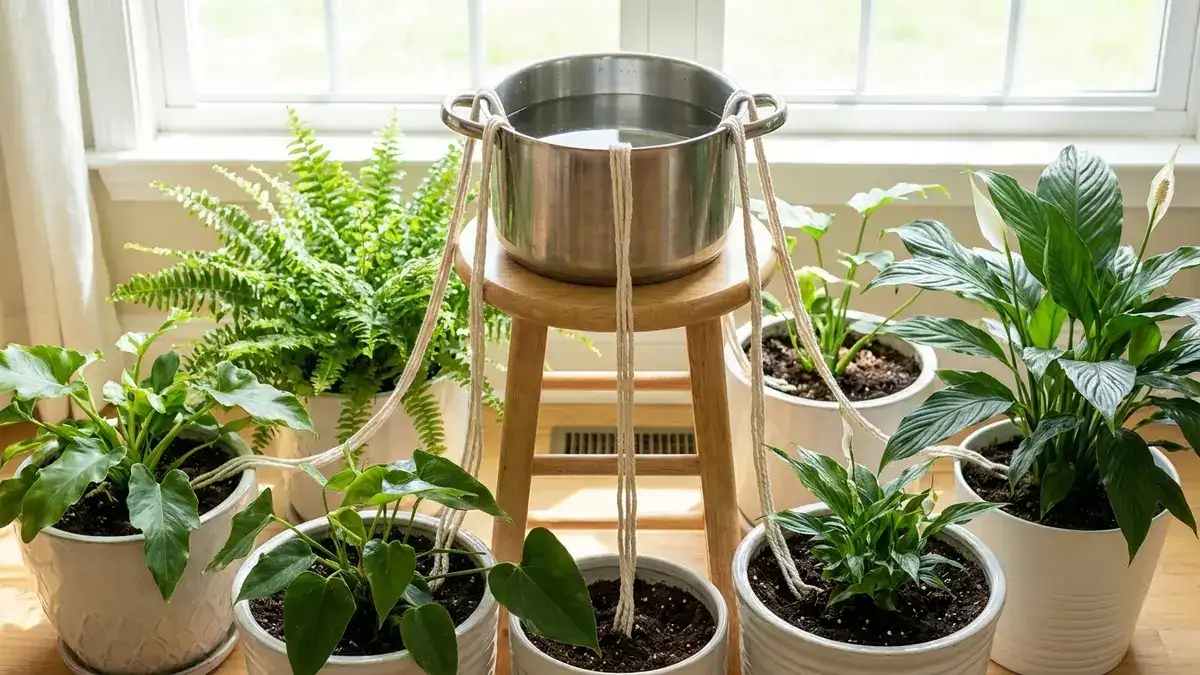
The beauty of the wick watering system lies in its simplicity and its reliance on natural physical laws. This setup utilizes capillary action—the same mechanism that allows plant roots to pull moisture upward from the deep earth.
When a absorbent, natural fiber string connects a elevated water reservoir to dry potting soil, the water molecules naturally cling to the fiber and pull each other along the length of the strand. As the plant consumes water and the soil dries out, a subtle vacuum is created, pulling more water down the string. This creates a perfectly balanced, self-regulating loop: your plants receive moisture only when they need it, completely eliminating the risk of root rot from overwatering.
Gathering Your Supplies
Before you begin setting up your automated vacation watering system, gather these basic household materials:
A Large Water Reservoir: A deep stockpot, a heavy mixing bowl, or a five-gallon bucket (ideally 8 to 10 inches deep).
Wicking Material: 100% natural fiber strings, such as thick cotton twine, cotton clotheslines, or undyed wool yarn cut into 12-to-24-inch strips.
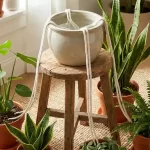
An Elevation Platform: A sturdy stool, an upside-down crate, or a small side table standing roughly 12 to 18 inches tall.
Your Houseplants: Grouped tightly together to share ambient humidity.
Crucial Material Tip: Avoid synthetic ropes, nylon paracords, or polyester shoelaces. Synthetic fibers are hydrophobic, meaning they repel water rather than absorbing it, which will cause your DIY irrigation system to fail completely.
Step-by-Step Guide to Setting Up Your Wick System
To guarantee your plants stay perfectly hydrated while you are away, follow this step-by-step assembly guide at least 24 hours before you depart.
Step 1: Size and Fill Your Reservoir
Select a container that holds a sufficient volume of water for the duration of your trip. As a general rule of thumb, a one-to-two-gallon container provides an ample supply of water for three to four medium-sized houseplants for a full week. Fill the container completely to the brim with room-temperature water.
Step 2: Elevate the Water Source
Place your chosen stool or stand in an area that receives indirect sunlight, away from harsh, direct window rays that could dry out your wicks prematurely. Set your filled water reservoir securely on top of this platform. Arrange your houseplant pots on the floor directly around the base of the stand. The water level must remain higher than the surface of the plant soil, as gravity is the primary engine driving the downward flow.
Step 3: Measure and Cut the Wicks
Measure the distance from the very bottom of your elevated water pot down to the soil of each individual plant. Cut a length of cotton string for each pot, making sure to add an extra 3 to 4 inches of slack so the string can sit deep within both the water and the earth.
Step 4: Prime the System
Before positioning your cut strings, submerge them completely in a bowl of water for a few minutes until they are thoroughly saturated. This process, known as “priming,” breaks the surface tension within the fibers and jumpstarts the capillary action immediately.
Step 5: Secure the Wicks
Drop one end of the primed string into your elevated water reservoir, ensuring it touches the absolute bottom so it doesn’t float to the top as the water level drops. Take the opposite end of the string and push it 2 to 3 inches deep into the soil of your houseplant, right near the base of the plant stem. Press the dirt down firmly around the string to ensure continuous, tight contact between the wick and the root zone.
Pro-Tips for Vacation Watering Success
To maximize the efficiency of your DIY wick system and ensure total peace of mind during extended trips, implement these advanced strategies:
Conduct a Trial Run: Set up your system two to three days before your departure. This allows you to monitor exactly how fast the water drains and make necessary adjustments to the reservoir size or string placement.
Double the Lines for Thirsty Varieties: High-moisture plants like ferns, calatheas, or peace lilies consume water rapidly. Give them two or three separate wicking strings to ensure they receive a sufficient volume of moisture.
Group Plants Together: Clustering your plants closely around the water station creates a localized microclimate. As the plants and the open water reservoir evaporate moisture, they boost the surrounding humidity, preventing leaf crisping.
Pre-Water the Soil: Thoroughly water all your houseplants right before you link them to the wick system. Starting with damp soil prevents the wick from needing to work overtime to hydrate a completely bone-dry pot.
Summary: A Stress-Free Return to Green Gardens
You do not need to feel guilty about leaving your houseplants behind when you travel. By spending just fifteen minutes setting up an elevated water pot and a few strands of cotton string, you can harness the power of capillary action to protect your green investments. When you unlock your front door after a relaxing vacation, you will be greeted by vibrant, hydrated foliage rather than drooping, stressed plants.
Frequently Asked Questions
1. How long can a wick watering system keep my plants alive?
With a large enough water reservoir, a properly assembled cotton wick system can easily keep small to medium houseplants hydrated for 10 to 14 days. For trips extending past two weeks, use a larger five-gallon bucket as your central reservoir.
2. Can I use this method for outdoor potted plants on a porch?
Yes, but with caution. Outdoor environments experience wind, high heat, and intense sunlight, which can evaporate the moisture directly out of the cotton string before it reaches the soil. If using this system outdoors, place the entire setup in a deeply shaded, sheltered area to minimize evaporation.
3. Will this system work for succulents and cacti?
It is generally not recommended for desert plants. Succulents and cacti prefer their soil to dry out completely between waterings. Providing them with a continuous, slow drip of moisture through a wick can saturate their roots and cause rot. Simply give them a thorough watering right before you leave; they will easily survive a two-week vacation without a wick.
4. What should I do if the water isn’t flowing down the string?
If your string remains dry, check two things: first, ensure the string is made of 100% natural cotton or wool, not synthetic materials. Second, verify that the water reservoir is elevated at least 12 inches above the plant soil. Without a proper height differential, gravity cannot assist the capillary action.
5. Can I mix liquid plant fertilizer into the vacation water reservoir?
It is best to skip the fertilizer. As water evaporates from the cotton string over several days, highly concentrated fertilizer salts can build up within the fabric fibers, clogging the wick and potentially burning the plant roots where the string makes contact with the soil. Stick to pure, clean water for vacation care.