
Table of Contents
**How to Choose the Right Pot Size for Thriving Plants**
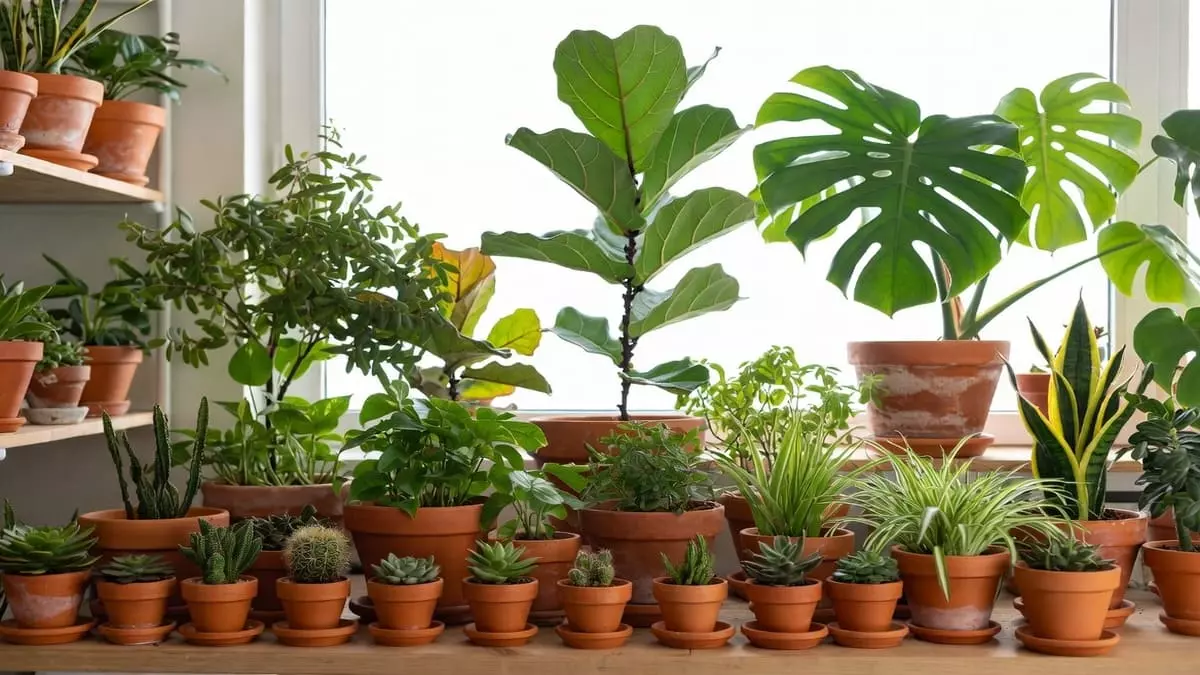
Picking the right pot size might seem like a minor detail, but it can make or break your plant’s success. Too small, and roots become cramped, stunting growth and causing stress. Too large, and excess soil holds too much moisture, leading to root rot and unhappy plants.
Getting the pot size right helps your houseplants grow stronger, stay healthier, and look their absolute best with less guesswork in your care routine. This complete guide breaks down the best pot sizes for different plants, why it matters, and how to make smart choices that set your indoor garden up for long-term success.
How to Choose the Right Pot Size for Thriving Plants
### Why Pot Size Makes Such a Big Difference
Your plant’s pot is essentially its entire world. It affects how roots access water, oxygen, and nutrients. When the pot matches the plant’s needs, everything works in harmony. The soil drains properly, roots expand comfortably, and the plant focuses energy on healthy foliage and growth instead of struggling to survive.
Wrong pot sizes create common problems:
– **Too small**: Roots circle tightly, water evaporates quickly, and the plant becomes root-bound and stressed.
– **Too big**: Soil stays wet longer, reducing oxygen to roots and inviting fungal issues.
Choosing correctly leads to fuller plants, easier maintenance, and fewer headaches. Whether you’re growing herbs on a windowsill or a tall fiddle leaf fig in the living room, the right container size supports steady, vibrant growth.
### Pot Size Guide: Matching Containers to Your Plants
#### 2-3 Inch Pots: Perfect for Miniature and Tiny Plants
These tiny pots suit the smallest houseplants with shallow root systems. They’re ideal for succulents like lithops (living stones), baby toes, miniature cacti, and air plants.
Because these pots hold limited soil, they dry out faster — exactly what many drought-loving desert plants prefer. Use them for cute tabletop displays, windowsill collections, or fairy garden arrangements. Their small footprint makes them great for apartments or limited spaces.
**Pro Tip**: Check moisture levels more frequently since tiny pots can dry within a day or two in warm, bright conditions. They also work wonderfully for starting seedlings or propagating cuttings before moving them to larger homes.
#### 4-6 Inch Pots: Great for Herbs and Compact Houseplants
This range strikes a nice balance for small but slightly more established plants. Herbs like basil, oregano, thyme, and parsley thrive here, making them perfect for kitchen counter or sunny windowsill gardens.
Compact foliage plants such as nerve plants (Fittonia), string of pearls, burro’s tail (Sedum burrito), and small pothos varieties also do well. These pots provide enough room for roots to spread modestly without risking overwatering issues.
They remain lightweight and easy to rearrange, which is excellent if you enjoy changing your plant decor seasonally. For beginners, 4-6 inch pots offer a forgiving size that supports healthy growth without overwhelming small spaces.
#### 6-8 Inch Pots: The Sweet Spot for Most Popular Houseplants
Many everyday indoor plants hit their stride in 6-8 inch containers. This size supports pothos, spider plants, calatheas, African violets, and young monstera or philodendron plants.
These medium pots give roots enough space to grow while preventing the soil from staying overly saturated. The result is lush, full foliage and stronger overall plants. They fit nicely on shelves, desks, and side tables without dominating the room.
If you’re building your first serious plant collection, start here. This range offers the best combination of convenience, aesthetics, and plant health for the majority of common houseplants.
#### 10-12 Inch Pots: Ideal for Larger, Established Plants
When your plants outgrow smaller containers, step up to 10-12 inch pots. This size works beautifully for snake plants, peace lilies, Boston ferns, ZZ plants, and larger dracaenas.
These pots allow deeper root systems to develop, supporting taller growth and more substantial foliage. They make excellent statement pieces in living rooms, bedrooms, or entryways, adding height and visual interest to your interior design.
**Important Note**: Larger pots hold more moisture, so adjust your watering schedule accordingly. Always use pots with drainage holes and well-draining soil mixes to avoid soggy conditions.
#### 14-20+ Inch Pots: For Big Statement Plants and Trees
These extra-large containers are reserved for plants that need serious room to spread out. Bird of paradise, rubber plants, fiddle leaf figs, monstera deliciosa, and dwarf citrus trees all benefit from this generous size.
The added soil depth and width provide stability for tall plants and allow roots to expand naturally. These pots create dramatic focal points in bigger rooms or sunrooms.
Because they’re heavy when filled, decide on their final location before planting. Moving them frequently can damage both the pot and your floors.
### Smart Repotting Strategies for Long-Term Success
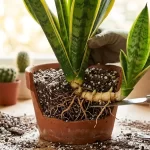
Repotting doesn’t need to happen every year. Most plants prefer gradual upsizing — move up just one or two inches in diameter at a time. Jumping from a 6-inch pot straight to a 14-inch one often leads to overwatering problems because the extra soil stays wet too long.
**Signs It’s Time to Repot**:
– Roots growing out of drainage holes
– Plant drying out much faster than usual
– Slowed growth despite proper light and fertilizer
– Soil pulling away from the pot edges
When repotting, always use fresh, high-quality potting mix suited to your plant type. Gently loosen old roots, trim any dead or circling ones, and ensure the new pot has excellent drainage. Spring and early summer are usually the best seasons for repotting as plants enter active growth.
### Additional Tips for Choosing and Using Pots Effectively
**Material Matters**: Terracotta pots dry out faster and suit succulents and cacti well. Plastic or glazed ceramic pots retain moisture longer, making them better for tropical plants that like consistent dampness.
**Drainage Is Non-Negotiable**: No matter the size, always choose pots with drainage holes. If you love a decorative pot without holes, use it as a cachepot and place a functional nursery pot inside.
**Consider Plant Growth Habits**: Fast-growing vines like pothos may need slightly larger pots sooner, while slow growers like snake plants can stay in the same size for years.
**Aesthetic and Practical Balance**: Choose pots that complement your home decor while meeting the plant’s functional needs. Self-watering pots can be helpful for larger sizes if you travel often.
**Common Mistakes to Avoid**:
– Repotting too frequently or into dramatically larger pots
– Using garden soil instead of proper potting mix
– Ignoring drainage completely
– Keeping plants in nursery pots too long after purchase
### Matching Pot Size to Your Lifestyle and Space
If you have limited space or travel frequently, stick with smaller to medium pots that are easier to manage. For those with more room who enjoy big, dramatic plants, invest in quality large containers that will last for years.
Remember that pot size affects your entire care routine — watering frequency, fertilizing schedule, and even how much light the plant effectively receives. Taking time to choose correctly saves money and prevents plant loss over time.
### Final Thoughts on Pot Size for Healthy Plants
The right pot size creates the foundation for thriving houseplants. By matching container dimensions to your plant’s current root system and growth habits, you set up ideal conditions for strong roots, beautiful foliage, and overall plant happiness.
Start by assessing what you currently own, then gradually upgrade as needed. With this approach, you’ll spend less time troubleshooting issues and more time enjoying lush, vibrant greenery throughout your home.
Your plants will reward you with faster growth, richer colors, and greater resilience. The difference between a struggling plant and a flourishing one often comes down to something as simple — yet important — as choosing the right pot size.
### FAQ: Choosing the Right Pot Size for Plants
**How much bigger should a new pot be when repotting?**
Generally, go up 1–2 inches in diameter. This gives roots room to grow without leaving too much excess soil that stays wet.
**Can I use any pot without drainage holes?**
It’s risky. Without drainage, water accumulates and often leads to root rot. Use a plastic nursery pot with holes inside a decorative outer pot instead.
**Do succulents need smaller pots than tropical plants?**
Yes, succulents and cacti usually prefer snugger pots that dry out quickly, while tropical plants like monstera and calathea benefit from slightly more room.
**Is it bad to keep a plant in a pot that’s too small?**
It can stress the plant and slow growth. If roots are circling heavily or the plant dries out very quickly, it’s time to repot.
**What’s the best pot material for beginners?**
Plastic or glazed ceramic pots are very forgiving because they retain moisture more evenly. Terracotta works great for plants that like drier conditions.
**How often should I repot my houseplants?**
Most plants benefit from repotting every 1–3 years, depending on growth rate. Slow growers can stay happy longer in the same pot.
Mastering pot size selection is one of the easiest ways to level up your plant care game. With the right containers, your indoor garden will look better and stay healthier with less effort. Happy planting!