
Table of Contents
**Bodybuilding Builds Strength After Loss for MSU Student**
When life throws devastating challenges, finding structure and purpose can feel impossible. For Kayla Rawlins, a Michigan State University student, competitive bodybuilding became that anchor. After losing her childhood home in a fire, the 21-year-old turned to the demanding discipline of training, meal prep, and stage preparation—not just for physical gains, but as a powerful mental coping tool that rebuilt her resilience from the ground up.
This isn’t just another fitness story. Rawlins’ journey shows how bodybuilding offers far more than a sculpted physique. It provides daily structure, mental fortitude, and a sense of achievement that carries through college stress, personal tragedy, and future goals. Her experience highlights the transformative power of competitive bodybuilding for young adults navigating uncertainty.
Bodybuilding Builds Strength After Loss for MSU Student

### From Childhood Gym Roots to College Competition
Rawlins’ connection to bodybuilding runs deep. With bodybuilder parents, some of her earliest memories involve the gym daycare—a place of comfort and familiarity. As a competitive cheerleader growing up, she began lifting weights in high school to build strength for performances. What started as a practical way to get stronger quickly evolved into a serious passion.
Now a Digital Storytelling major at Michigan State University, Rawlins maintains an intense schedule. Many mornings begin as early as 3:30 a.m. with cardio sessions before classes, projects, and campus life take over. At 5-foot-1, she brings remarkable dedication to a sport where consistency often outweighs sheer size.
“Bodybuilding is a long test of patience and repetition,” Rawlins emphasizes. The sport demands showing up even when motivation wanes, teaching lessons that extend well beyond the weight room. This foundation proved invaluable when her world shifted dramatically.
### How Tragedy Fueled a New Purpose Through Bodybuilding
In January 2025, Rawlins faced a life-altering event: the loss of her childhood home in a fire. The disruption could have derailed her entirely. Instead, she channeled the chaos into competition preparation—a structured period of precise training, nutrition, and recovery leading up to the stage.
“I needed some kind of structure, a goal, and a purpose to get me through the year,” she shared. Competitive bodybuilding provided exactly that. The rigid schedule of workouts, planned meals, and progress tracking created stability amid uncertainty.
Competition prep is grueling. It involves increased cardio, meticulous calorie control, and balancing academics. By the later stages, Rawlins experienced depletion and brain fog while still attending lectures and completing assignments. College doesn’t pause for contest prep, making her commitment even more impressive.
Yet the process built profound mental strength. The daily discipline helped her process grief while fostering confidence and resilience. Bodybuilding became therapy in motion—each set and meal reinforcing that she could control her response to uncontrollable events.
### The Competitive Stage and Meaningful Victories
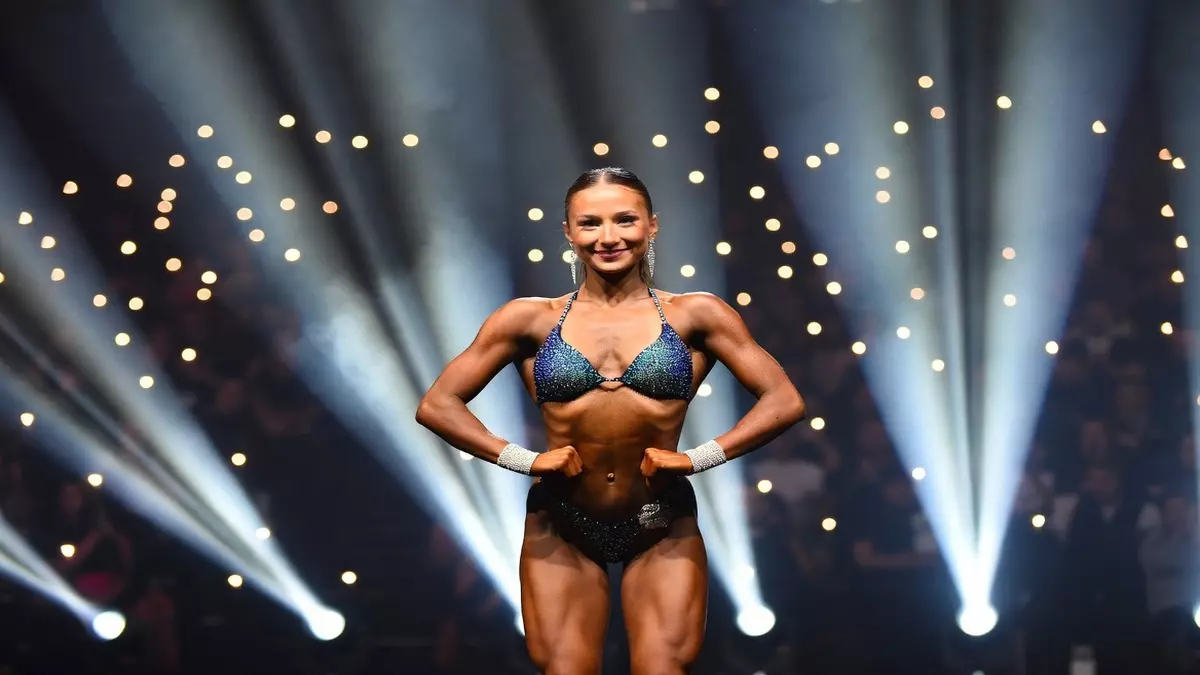
In November 2025, Rawlins stepped onto the stage at the NPC Western Michigan Bodybuilding Championships in Kalamazoo. After more than 20 weeks of dedicated preparation, the experience felt triumphant.
“You just feel like a princess because you did all this work,” she recalled, describing the day as one spent “on cloud nine.” Her hard work paid off with first-place finishes in all three of her classes and a strong second-place overall. While the placements were rewarding, the deeper victory was personal: proving that tragedy didn’t define her year.
The moment resonated beyond individual achievement. Rawlins’ mother had stepped back from bodybuilding to raise children, so seeing her daughter compete carried special emotional weight for the family. It symbolized continuity and strength passed across generations.
### The Mental Health Benefits of Competitive Bodybuilding
Rawlins’ story illustrates how competitive bodybuilding serves as an effective coping mechanism. The sport demands focus, goal-setting, and delayed gratification—skills that build psychological resilience. In a high-pressure college environment, the routine offered control and measurable progress during difficult times.
Many athletes report similar benefits. Structured training releases endorphins, reduces anxiety, and provides a healthy outlet for stress. For Rawlins, early morning sessions created quiet time for mental clarity before the day’s demands. The discipline spilled over into academics and relationships, enhancing overall life management.
Friends like freshman roommate Lydia Grembos, also a bodybuilder, noted Rawlins’ strong work ethic. Grembos often seeks her advice on training splits, nutrition, and the mental challenges of prep. Their shared experiences strengthened their bond, with post-competition treats like Reese’s marking hard-earned celebrations.
### Building Community and Future Aspirations
Beyond the gym, Rawlins shares her journey on TikTok. Her content demystifies bodybuilding by showing the reality of early mornings, dietary struggles, doubts, and triumphs. As a digital storytelling student, she sees potential in using video, film, or documentaries to highlight the human stories behind the sport.
This platform helps others understand the dedication required and the mental growth that comes with it. Competitive bodybuilding isn’t just about aesthetics—it fosters community among those who appreciate the grind.
Looking ahead, Rawlins has begun another prep cycle with her sights set on earning a professional card. Long-term, she aims to inspire others through storytelling that reveals the discipline, community, and personal development found in bodybuilding.
### Why Competitive Bodybuilding Appeals to Students and Young Adults
For college students balancing classes, social life, and personal challenges, bodybuilding offers unique advantages. The structured nature combats the chaos of campus schedules. Goal-oriented prep periods create short-term focus amid long-term uncertainty.
Physical benefits include improved strength, body composition, and energy management. Mentally, it cultivates discipline, patience, and self-efficacy—qualities that enhance academic performance and career readiness. Many young athletes discover that the mental toughness gained in the gym transfers to exams, internships, and life transitions.
Parents and families often become part of the journey, creating shared pride and support systems. For women in the sport, it challenges stereotypes while building confidence in physical capabilities.
### Practical Lessons from Rawlins’ Bodybuilding Journey
Rawlins’ experience offers actionable insights for anyone considering competitive bodybuilding:
**Start with Foundation Building**: Focus on consistent training and basic nutrition before jumping into contest prep. Learn proper form to prevent injury.
**Balance Academics and Training**: Schedule workouts like non-negotiable appointments. Use meal prep to save time and maintain nutrition.
**Embrace the Mental Side**: View tough days as opportunities to build resilience. Track non-scale victories like improved energy or mood stability.
**Seek Community**: Connect with training partners or online groups for support, knowledge, and accountability.
**Listen to Your Body**: Manage fatigue during intense prep phases. Recovery, sleep, and stress management are crucial alongside training.
These principles apply whether pursuing competition or simply incorporating bodybuilding-inspired habits for wellness.
### The Broader Impact on Mental and Physical Health
Competitive bodybuilding combines resistance training, cardio, and nutrition science into a holistic practice. Research supports strength training for mental health benefits, including reduced symptoms of depression and anxiety through physiological changes and achievement feelings.
For those facing adversity, the sport provides purpose and routine that buffer against stress. It encourages mindfulness in movement and nutrition, promoting greater body awareness and self-compassion.
As Rawlins continues her path, her story reminds us that fitness disciplines can heal and empower. The early mornings, sacrifices, and stage moments build character that lasts far beyond any single competition.
### Conclusion: Finding Purpose Through Discipline
Kayla Rawlins’ journey from tragedy to triumph on the bodybuilding stage showcases the sport’s profound capacity to foster strength—both physical and mental. What began as a family tradition became a lifeline, offering structure, community, and self-discovery during one of her hardest years.
Her success at the NPC Western Michigan Championships and ongoing pursuit of pro status demonstrate that bodybuilding is about far more than trophies. It’s a coping tool, a teacher of resilience, and a platform for personal growth. For students, athletes, and anyone seeking direction amid challenges, competitive bodybuilding offers a proven path to rebuilding stronger.
If you’re facing your own obstacles, consider how structured discipline in training might provide the focus and strength you need. Small daily commitments compound into life-changing results. Rawlins’ story proves that with consistency and purpose, you can turn adversity into achievement—one workout at a time.
### FAQ: Competitive Bodybuilding for Mental Strength and College Life
**How does competitive bodybuilding help with mental health challenges?**
The structured routine, goal-setting, and endorphin release provide stability, purpose, and a sense of control during difficult periods like grief or stress.
**Is bodybuilding suitable for busy college students?**
Yes. Many athletes like Rawlins manage it by scheduling early workouts and meal prep. It teaches time management that benefits academics too.
**What should beginners know before starting competition prep?**
Build a solid training and nutrition foundation first. Consult coaches for guidance, prioritize recovery, and expect mental and physical challenges during cuts.
**Can bodybuilding help after experiencing major loss or trauma?**
Absolutely. The discipline offers focus and achievement that support emotional processing, as seen in Rawlins’ experience after the house fire.
**How do family and friends play a role in a bodybuilder’s journey?**
They provide emotional support, shared understanding, and celebration of milestones. Intergenerational involvement, like in Rawlins’ family, adds deeper meaning.
**What career paths can bodybuilding inspire?**
Many athletes move into coaching, content creation, personal training, or storytelling—leveraging their experience to educate and motivate others, as Rawlins plans.
**Does bodybuilding require extreme sacrifices for college students?**
It demands discipline, but smart planning allows balance. Treat it as a sustainable lifestyle rather than all-or-nothing to avoid burnout.