
Table of Contents
- 1. The Harvard Shift: Moving Beyond Repetitive Cardio
- 2. Why Martial Arts are Perfect for Longevity
- 3. Senior-Friendly Disciplines to Explore
- 4. The Power of Physiological Complexity
- 5. Empowering Your Next Chapter
- 6. Frequently Asked Questions (FAQ)
- 6.1. 1. Is it dangerous to start martial arts at 60?
- 6.2. 2. Do I need to be in good shape to start?
- 6.3. 3. How often should I practice to see benefits?
- 6.4. 4. How is this better for my brain than walking?
- 6.5. 5. Will I feel out of place?
Rethinking Fitness After 60: Why Martial Arts Outperform Running
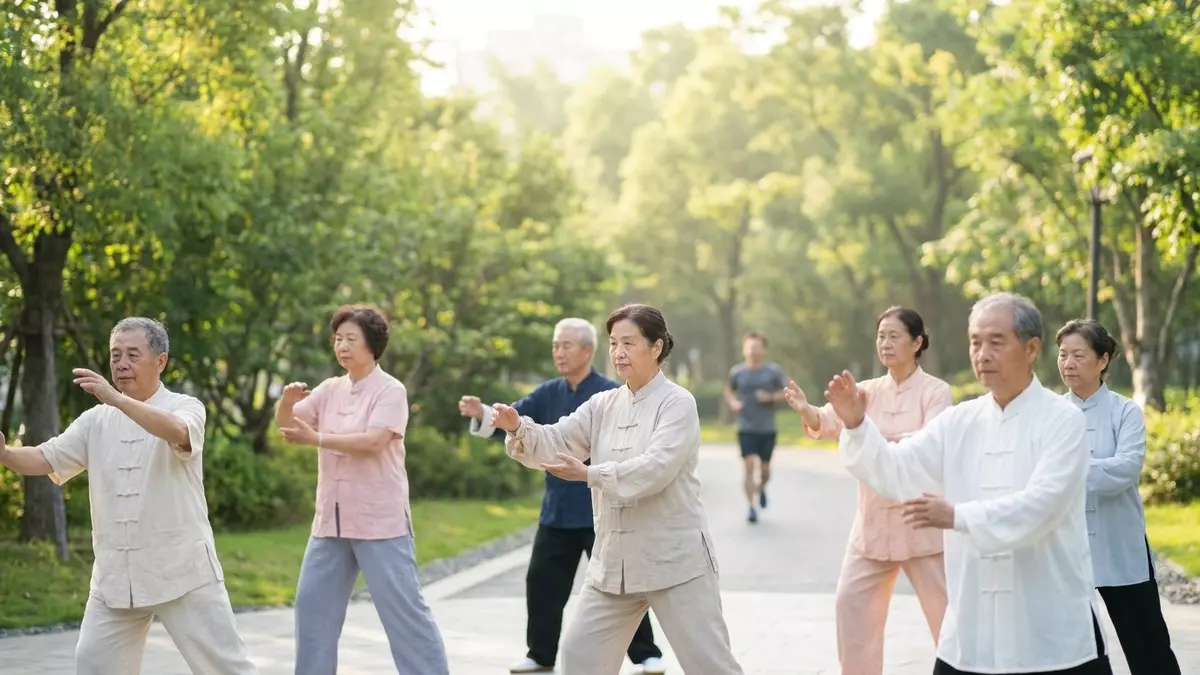
For decades, the standard advice for staying fit after 60 has been simple: walk, jog, or hit the treadmill. While aerobic activity is undoubtedly important, researchers from Harvard Medical School are now pointing toward a more sophisticated, holistic alternative. They suggest that for seniors seeking to enhance strength, balance, and cognitive sharpness simultaneously, the answer lies not in repetitive cardio, but in the deliberate practice of traditional martial arts.
Rethinking Fitness After 60 Why Martial Arts Outperform Running
The Harvard Shift: Moving Beyond Repetitive Cardio
Harvard experts argue that as we age, our fitness needs shift. We no longer just need to burn calories or improve heart rate; we need to cultivate “physiological complexity”—the body’s innate ability to adapt to physical challenges, maintain balance, and coordinate complex movements.
While walking and running are excellent for cardiovascular health, they are often repetitive and low-impact on the brain. Martial arts, by contrast, demand constant attention, spatial awareness, and fluid movement. This combination turns a standard workout into a cognitive and physical puzzle, keeping both the muscles and the mind agile.

Why Martial Arts are Perfect for Longevity
The image of martial arts—characterized by high-intensity combat—is a common misconception. In reality, many traditional disciplines are designed for longevity, mindfulness, and sustainability. For seniors, these practices offer several distinct advantages:
Joint-Friendly Strength: Styles like Tai Chi and Aikido utilize slow, flowing movements that build muscle tone without the high-impact stress of jogging.
Reflexes and Stability: Through deliberate weight transfers and slow, controlled postures, these practices teach your body how to recover from trips and slips, which is the cornerstone of fall prevention.
Mental Sharpness: Each movement requires specific coordination and focus, which stimulates neural pathways, improving memory and clarity far more effectively than “autopilot” activities like walking.
Nervous System Regulation: The integration of deep, controlled breathing helps reduce cortisol (the stress hormone), leading to better sleep and improved mood.
Senior-Friendly Disciplines to Explore
If you are interested in starting, you don’t need to join a competitive sparring club. Many local centers offer classes specifically tailored to older adults. Here are some of the most effective styles:
Tai Chi: Often called “meditation in motion,” it is the gold standard for balance and joint health. Its slow, rhythmic nature makes it ideal for anyone starting their fitness journey.
Aikido: This discipline emphasizes moving in harmony with your environment. It is an excellent way to improve flexibility and grace in movement.
Wing Chun: Known for compact, efficient movements, this style builds confidence and sharp reflexes without requiring extreme physical contortion.
Adaptive Jiu-Jitsu: Focused on control and awareness, modern adaptive classes prioritize safety while helping you build functional strength and self-assurance.
The Power of Physiological Complexity
Dr. Peter M. Wayne, a prominent researcher at Harvard Medical School, has long studied how these practices improve the body’s adaptive capacity. His research suggests that practitioners of these disciplines maintain a level of resilience that is often lost in seniors who rely solely on single-plane aerobic exercise.
Furthermore, these classes offer a powerful social component. The shared environment of a dojo or studio provides a sense of camaraderie and belonging, which research shows is a critical factor in emotional health and long-term commitment to exercise.
Empowering Your Next Chapter
Starting a new physical discipline in your 60s, 70s, or beyond is not about preparing for a fight—it is about reclaiming your agency. Every time you step onto the mat and practice a controlled movement, you are training your body to be more resilient, your mind to be more attentive, and your spirit to be more empowered.
It is never too late to trade the monotony of the treadmill for a practice that feeds your brain and body in equal measure. Whether it is the gentle flow of Tai Chi or the rhythmic control of Wing Chun, martial arts offer a path to vitality that grows alongside you.
Frequently Asked Questions (FAQ)
1. Is it dangerous to start martial arts at 60?
No, provided you join a class that emphasizes longevity and mindfulness rather than combat. Look for programs specifically marketed as “senior-friendly” or “wellness-focused.”
2. Do I need to be in good shape to start?
Not at all. These practices are designed to meet you exactly where you are. You do not need to be flexible or strong to begin; you will build those qualities as you practice.
3. How often should I practice to see benefits?
Even 1–2 classes per week can yield significant results in balance and cognitive health. Consistency is more important than duration or intensity.
4. How is this better for my brain than walking?
While walking is good for the heart, martial arts involve “dual-tasking”—coordinating your limbs while following specific mental sequences. This forces the brain to form new neural connections, which is key for maintaining sharp cognitive function.
5. Will I feel out of place?
Many people are surprised to find that these classes are filled with people of all ages and abilities. The emphasis is always on personal growth, not competition, making it a very welcoming environment for beginners.