
Table of Contents
The Fried Chicken Dilemma: How to Enjoy Your Favorites Mindfully
Chicken remains the undeniable king of the American dinner table. According to USDA data from April 2026, the per capita disappearance of broiler chicken stands at over 105 pounds annually, proving that whether it’s a quick-service sandwich or a classic family-style bucket, Americans simply cannot get enough.
Recently, culinary experts—including Chef Dennis Littley—weighed in on the best fried chicken chains in the U.S., naming Cracker Barrel, Popeyes, KFC, Bojangles, and Bob Evans as the top contenders. While these selections highlight excellence in texture, seasoning, and comfort, they also serve as a reminder that these meals are culinary “heavyweights” that require a mindful approach to nutrition.

The Fried Chicken Dilemma How to Enjoy Your Favorites Mindfully
Why Chefs Love These Classics
Chef Littley’s criteria for a “standout” fried chicken dinner focuses on the technical aspects of cooking:

Proper Brining: Deep, flavor-packed meat that isn’t just seasoned on the crust.
Temperature Control: A crisp, golden exterior that protects juicy, tender meat inside.
Cohesive Sides: A meal that feels balanced, where sides like biscuits, mashed potatoes, or vegetables complement the protein.

This level of craft is what keeps us coming back. However, the difference between a satisfying comfort meal and a health-compromising habit often lies in the “wellness catch”—the hidden levels of saturated fat and sodium that define most deep-fried fare.
The Nutritional Reality Check
While one fried chicken meal won’t undo a week of healthy eating, it is important to understand what you are consuming:
Saturated Fat: Federal guidelines suggest keeping saturated fat to under 10% of your total daily calories. A single fried chicken dinner can easily exceed that limit in one sitting.
The Sodium Surge: The average American consumes over 3,300 mg of sodium daily—well above the recommended 2,300 mg limit. Much of this excess comes from restaurant-prepared meals where breading, marinades, and sauces all contribute to the salt total.

Smarter Ordering: 3 Tips for Balance
You don’t have to quit your favorite chicken chain to maintain a healthy lifestyle. Use these strategies to “right-size” your next meal:
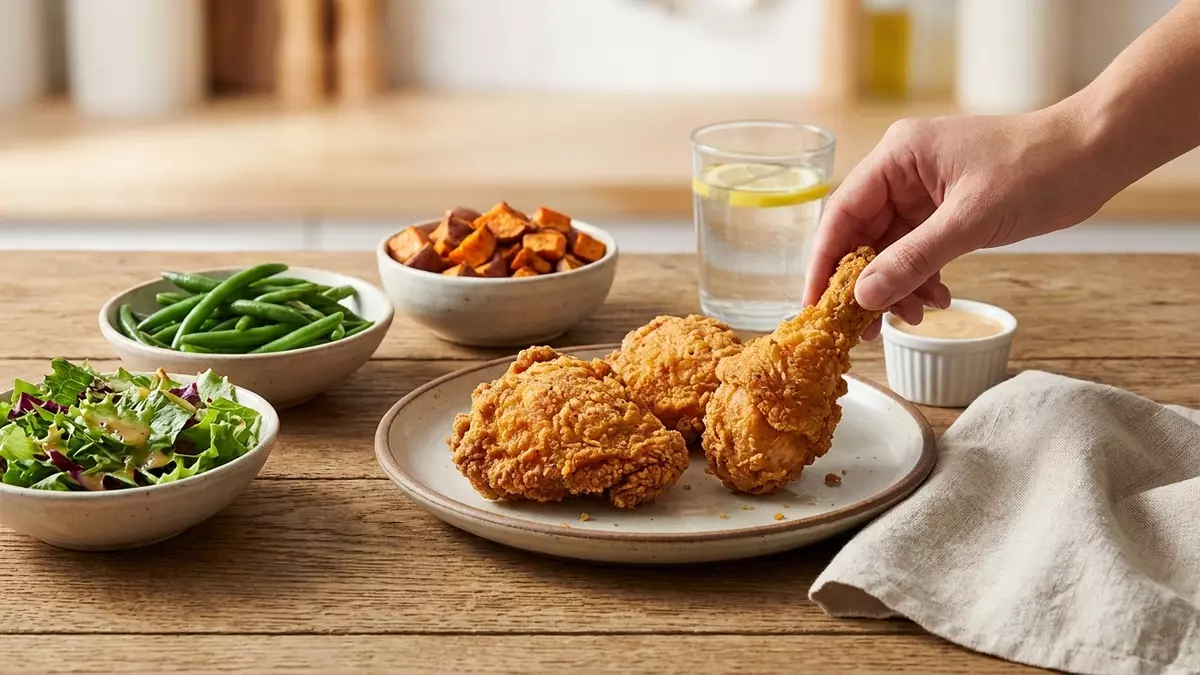
Prioritize Your “Splurge”: If you are going to indulge in the crispy, fried chicken, be mindful of the sides. Choose one indulgent side—like mac and cheese—and swap your second side for a vegetable or a green salad if available.
Use the Nutrition Facts: Large chains are required by the FDA to provide nutrition information. Don’t be afraid to ask for it. Knowing the sodium and saturated fat content of your meal can help you adjust your choices for the rest of the day.
Practice Portion Awareness: You don’t have to finish everything on the tray. If the portions are massive, consider sharing a meal with a family member or taking half home for a later date.
Building a Sustainable Approach
The goal of wellness isn’t to live in a state of deprivation. Fried chicken is often tied to the best parts of life: Sunday dinners, road trips, and the relief of not cooking after a long shift.
Rather than labeling fried chicken as “bad,” view it as a treat that requires balance. If you enjoy a fried dinner, aim for the “compensation” approach: ensure the rest of your meals that day are focused on whole, fiber-rich, and non-fried foods. Drink extra water, prioritize plant-based fiber, and move your body.
By shifting the conversation from if you can eat comfort food to how you integrate it into a balanced life, you can enjoy the crispy, seasoned goodness of your favorite chains without sacrificing your long-term health goals.
Frequently Asked Questions (FAQ)
Is fried chicken ever a “healthy” choice?
Fried chicken is a comfort food, not a nutrient-dense health food. While it provides protein, the frying process adds significant saturated fat and sodium. It is best enjoyed as an occasional treat.
How can I make my chain-restaurant meal healthier?
Skip the soda and sugary dipping sauces. Order a single side of vegetables or a salad instead of multiple fried sides (like fries and hushpuppies), and stick to the recommended portion size rather than eating the whole bucket.
Why is sodium so high in fast-food chicken?
Most chains use heavy brining and spice blends in the breading to ensure flavor. These processes are inherently sodium-heavy. Even “original recipes” are usually pre-seasoned at a central processing facility, making it impossible to control the salt content.
Can I bake or air-fry “fried” chicken at home?
Yes! You can achieve a very similar crunch by using panko breadcrumbs or crushed cornflakes and air-frying or baking the chicken at high temperatures. This significantly cuts down on the saturated fat found in deep-frying.
What is the best way to “balance” a fried chicken day?
If you have a fried chicken dinner planned, make your breakfast and lunch centered around high-fiber foods like oatmeal, leafy greens, legumes, or fresh fruit. This helps keep your blood sugar stable and increases your overall fiber intake, which helps mitigate the effects of a high-sodium dinner.