
Table of Contents
- 1. The Kuantan Tragedy: A Catalyst for National Concern
- 2. Why Economic Hardship is an Independent Health Variable
- 3. The Growing Numbers Behind the Pressure
- 4. Structural Reforms Demanded by Medical Authorities
- 4.1. Cross-Government Collaboration
- 4.2. Destigmatizing Clinical Gaps
- 5. Community Vigilance and Available Resources
- 6. The Bottom Line
- 7. Frequently Asked Questions
Financial Strain and Mental Health Crisis: A Public Health Warning in Malaysia
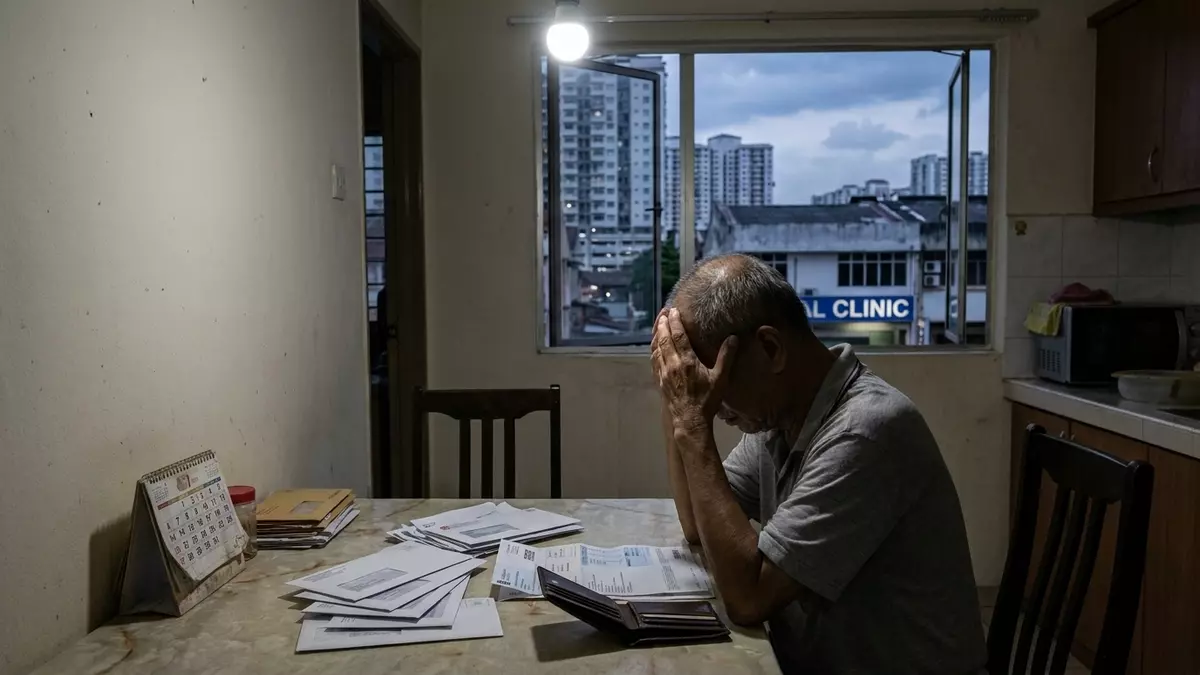
A silent family crisis often leaves very few clues from the outside. The mail piles up, rent deadlines loom, groceries grow increasingly expensive, and an individual who once seemed entirely stable can quickly begin to feel completely cornered. In a stark new warning, prominent Malaysian medical authorities are cautioning that the combination of intense financial pressure and untreated psychological distress is turning into a volatile, dangerous mix for vulnerable households across the country.
The national wake-up call follows a devastating tragedy in Kuantan, Pahang, where five family members lost their lives. Early police findings have pointed to severe economic hardship as a central factor in the incident. In response, healthcare leaders are urging the nation to stop viewing extreme financial distress as a strictly private family matter and to start treating it as a critical, systemic public health emergency.
Financial Strain and Mental Health Crisis A Public Health Warning in Malaysia

The Kuantan Tragedy: A Catalyst for National Concern
The incident that prompted this urgent medical warning occurred in the Cherating Damai neighborhood of Kuantan. Local law enforcement officials confirmed that initial investigations into the deaths of the five family members are being handled under Section 302 of the Penal Code.
While investigators and media outlets have categorized the event as a suspected murder-suicide, public health experts emphasize that focusing solely on a single household misses the broader systemic failure. The heartbreaking case has forced an uncomfortable, critical question into the open: How many hidden families are currently pushed to their absolute psychological breaking points before anyone in their community notices?
Why Economic Hardship is an Independent Health Variable
According to the Malaysian Medical Association (MMA), frontline physicians are diagnosing an influx of patients whose physical and emotional ailments stem directly from job loss, mounting debt, an inability to provide basic necessities, and a profound sense of hopelessness. The chronic anxiety of facing a recurring monthly electricity bill or sudden school expenses can cause severe biological wear and tear over time.

In the medical community, these external pressures are known as Social Determinants of Health (SDOH). These encompass the fundamental environmental conditions in which people live, work, and age—including income stability, housing quality, food security, and physical safety.
                  [ SOCIAL DETERMINANTS OF HEALTH ]
  ┌───────────────────────┬──────────────────────────┬──────────────────────┐
  ▼                       ▼                          ▼                      ▼
Financial Security     Safe Housing           Nutritional Access      Personal Safety
  │                       │                          │                      │
  └───────────────────────┴─────────────┬────────────┴──────────────────────┘
                                        ▼
                         [ Overall Well-Being & Health ]
The MMA points out that approximately 40% of an individual’s overall health and well-being is directly shaped by these exact social and economic variables. While financial destitution does not automatically translate into violence or self-harm, it accelerates psychological pressure. When social safety nets are delayed or shrouded in societal shame, the emotional toll can accumulate faster than a family can cope.
The Growing Numbers Behind the Pressure
Recent statistical data underscores the rising mental health burden across diverse demographics in Malaysia. The intersection of economic challenges and psychological strain is reflected in multiple national tracking reports:

Adult Depressive Symptoms: The National Health and Morbidity Survey (NHMS) documented that 4.6% of Malaysian adults exhibit clear clinical depressive symptoms.
Youth Vulnerability: The same NHMS data revealed that 16.5% of children between the ages of 5 and 15 experience mental health struggles, proving that domestic financial tension deeply impacts dependents who aren’t even old enough to pay bills.
Rising Mortality Metrics: Data compiled by the Royal Malaysia Police and reported by the Department of Statistics Malaysia indicates that annual suicide deaths climbed significantly from 641 cases to 1,068 cases over a recent three-year tracking period. This represents a national rate increase from 2.0 to 3.2 deaths per 100,000 individuals.
While these statistics cannot isolate a single, definitive cause for every tragic outcome, they demonstrate to medical professionals why early intervention strategies must be aggressively prioritized.
Structural Reforms Demanded by Medical Authorities
To prevent further systemic breakdowns, the MMA is calling for an integrated, multi-agency strategy that bridges the gap between economic policy and healthcare delivery.
Cross-Government Collaboration
Instead of leaving mental health care exclusively to hospitals, medical leaders believe that financial, educational, welfare, and housing agencies must coordinate their resources. When an individual suffers a sudden loss of livelihood or faces eviction, that economic event should automatically trigger access to proactive mental health screenings and streamlined financial aid, cutting through bureaucratic red tape before a financial setback spirals into a psychological emergency.
Destigmatizing Clinical Gaps
Accessing psychological care must become friction-free. Medical groups are advocating for:
Implementing routine stress and anxiety screenings during standard, everyday clinic visits.
Accelerating direct referral pathways from general practitioners to localized psychologists and psychiatrists.
Expanding anonymous, certified online counseling platforms so individuals do not have to navigate a complex, confusing maze of institutions just to voice that they are in crisis.
| Desired Reform | Implementation Strategy | Intended Outcome |
| Cross-Agency Triggers | Financial distress data links directly to welfare outreach | Early identification of high-risk households |
| Routine Clinic Screenings | Simple stress questionnaires given during standard check-ups | Normalizes mental health as part of basic physical health |
| Confidential Workplace Paths | Employer-sponsored, anonymous counseling lines | Reduces fear of professional retaliation or job loss |
| Ethical Media Protocols | Safe reporting guidelines focusing on resources over graphics | Prevents copycat incidents and reduces public sensationalism |
Community Vigilance and Available Resources
Medical professionals can treat clinical illness, but preventing deep community despair requires a collective, nationwide effort. Neighbors, relatives, educators, and workplace managers play a vital role in recognizing behavioral shifts. A simple, compassionate conversation or a discreet check-in can break an individual’s sense of absolute isolation.
If you or someone you know is navigating severe stress, panic attacks, depression, or thoughts of self-harm in Malaysia, immediate professional help is accessible through established national channels:
Talian HEAL Helpline: Dial 15555
Managed directly by the Ministry of Health, this dedicated crisis line provides confidential telecounseling and mental health support. Trained professionals are available daily from 8:00 AM to 12:00 AM (Midnight) to offer immediate assistance and guidance.
The Bottom Line
A nation’s true economic health cannot be evaluated solely by fiscal data or stock market indices; it must also be measured by the psychological resilience and stability of its households. Financial security, dependable housing, nutritional access, and accessible mental healthcare are not separate, isolated battles. For families living on the margins, they are all part of the exact same fight for survival.
Frequently Asked Questions
What are the primary symptoms of untreated financial trauma?
Financial trauma often manifests as chronic insomnia, persistent physical fatigue, irritability, a hyper-fixation on monetary loss, social withdrawal, and a pervasive sense of hopelessness regarding the future.
How do economic conditions directly alter a person’s biological health?
Prolonged financial panic keeps the human body in a constant state of “fight-or-flight.” This continuous release of stress hormones like cortisol can weaken the immune system, increase systemic inflammation, elevate blood pressure, and alter neurological pathways tied to emotional regulation.
What steps can an employer take to support a struggling worker without overstepping bounds?
Employers can partner with third-party Employee Assistance Programs (EAPs) that offer completely confidential, anonymous mental health counseling. Managers should also normalize taking mental health days and train supervisors to recognize sudden drops in performance as potential signs of distress rather than immediate grounds for discipline.
Why does media sensationalism surrounding family tragedies cause measurable harm?
Graphic or sensationalized reporting of suicide and domestic violence can inadvertently validate self-harm as an escape route for individuals currently experiencing a similar crisis. Ethical, resource-focused reporting, conversely, encourages people to seek out professional help.
Is Talian HEAL a free service, and can I call on behalf of a friend?
Yes, Talian HEAL (15555) is a public crisis support line. While the counselors primarily speak directly with the individual in distress to conduct an assessment, concerned friends or relatives can absolutely call to receive professional guidance on how to safely help someone they care about.