
Table of Contents
**Dim Lights at Home May Be Fueling Kids’ Myopia Crisis**
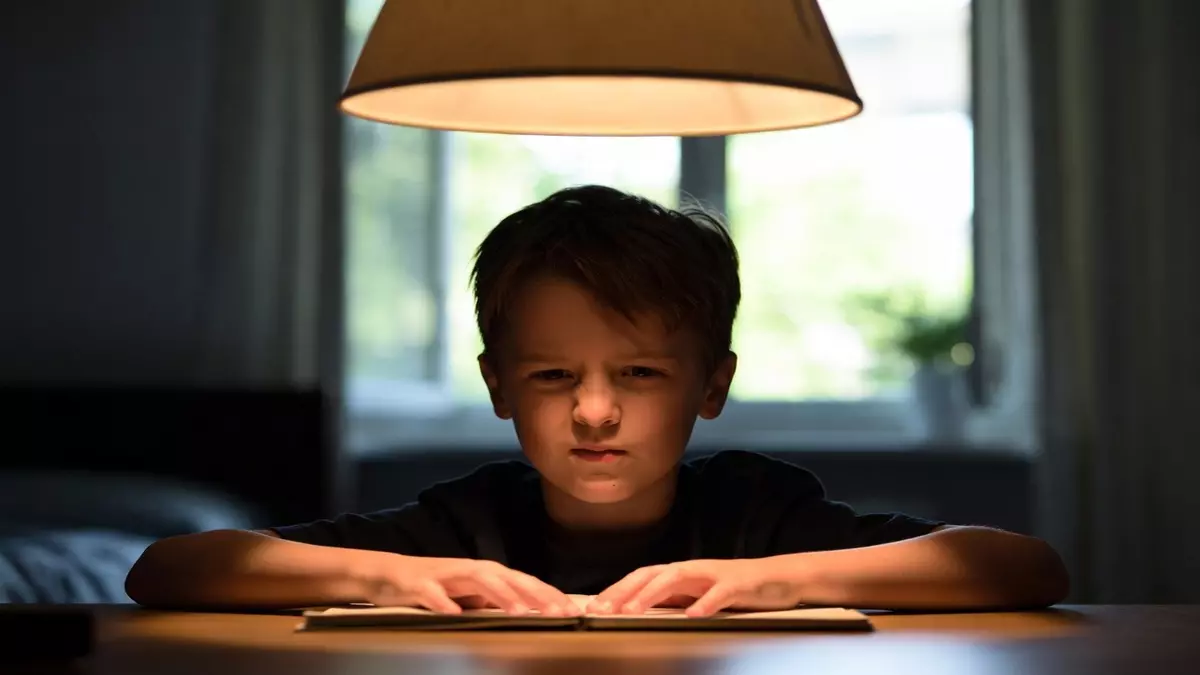
Parents often point fingers at screens, tablets, and endless homework as the main culprits behind rising nearsightedness in children. But emerging research suggests another everyday factor deserves serious attention: the dim lighting in many bedrooms, living rooms, and classrooms where kids spend hours focusing up close.
This new perspective doesn’t let devices off the hook entirely. Instead, it highlights how prolonged near work in low-light conditions may limit the light reaching the retina, potentially disrupting normal eye development. With myopia rates climbing rapidly worldwide, understanding this indoor lighting connection could help families take practical steps to protect their children’s vision.
Dim Lights at Home May Be Fueling Kids’ Myopia Crisis

### The Growing Myopia Epidemic Among Children and Teens
Myopia, or nearsightedness, causes distant objects to appear blurry while close ones stay relatively clear. For kids and teens, this means struggling to read the whiteboard, missing details during sports, or needing corrective lenses earlier in life. Once considered mostly genetic, myopia has surged in recent decades, affecting nearly 50% of young adults in the U.S. and Europe, and up to 90% in some East Asian countries, according to data from the State University of New York College of Optometry.
Genetics play a role, but they can’t explain such rapid generational shifts. Lifestyle changes — more indoor time, intense near-work activities, and less outdoor play — appear to be major drivers. The latest U.S. study adds an important piece to this puzzle: the quality of indoor lighting during close-focus tasks may significantly influence risk.
### How Dim Light and Close Work Team Up to Affect Vision
When children read a book, scroll on a phone, or work on a tablet, their eyes accommodate by changing shape to focus at near distances. In bright outdoor light, the pupil narrows but still allows plenty of light to reach the retina. In a typical dimly lit room, however, that same narrowing can dramatically reduce retinal illumination.
Researchers propose that this reduced light stimulation over long periods may interfere with the visual signals that guide healthy eye growth. The eye essentially misses the bright, distant viewing cues it evolved to receive, potentially encouraging elongation of the eyeball — the structural change behind myopia.

This mechanism helps explain why strategies like increasing outdoor time have shown success in slowing progression. Bright natural light and opportunities to view distant horizons provide the kind of visual input growing eyes seem to need.
### Key Findings from the New Research
The study, led by Urusha Maharjan in the laboratory of Jose-Manuel Alonso (with affiliations including Rockefeller University and the University of Rochester), examined pupil responses during focusing tasks. They found that individuals with myopia often exhibit stronger pupil constriction when focusing on near objects. Over time, this could mean chronically lower light exposure to the retina during typical indoor activities.
Published in *Cell Reports*, the work presents a testable hypothesis rather than definitive proof. It doesn’t claim dim lighting is the sole cause but suggests it acts as an important environmental amplifier when combined with extended near work. This aligns with broader evidence that modern indoor lifestyles differ sharply from the outdoor-oriented routines of previous generations.
### Beyond Genetics: Environmental Factors Driving Myopia
While family history increases susceptibility, environmental influences have accelerated the trend. Children today spend far more time indoors engaged in reading, gaming, or studying compared to past decades. Reduced outdoor play means less exposure to bright daylight, which research consistently links to lower myopia risk.
Dim indoor environments compound the issue. Many homes and schools rely on overhead lighting that creates uneven illumination or simply isn’t bright enough for prolonged visual tasks. Reading in bed under a single lamp or using devices in darkened rooms creates the perfect storm of close focus and suboptimal lighting.
Other contributing factors include:
– Increased screen time with blue light and high visual demand
– Less time spent looking at distant objects
– Dietary and lifestyle elements that support overall eye health
The interplay of these factors makes myopia a complex but addressable public health issue.
### Why Outdoor Time Remains One of the Best Defenses
Multiple studies highlight the protective effect of outdoor time. Bright sunlight (even on cloudy days) delivers far higher light intensity than indoor settings, supporting proper dopamine signaling in the retina that helps regulate eye growth. Two hours daily outdoors has been associated with meaningful reductions in myopia onset and progression in various populations.
Outdoor activities also naturally encourage distant viewing, giving eye muscles a chance to relax. This contrasts with the sustained accommodation required for near tasks indoors. Encouraging sports, playground time, or even reading outside can deliver dual benefits.
### Practical Steps Families Can Take Right Now
Parents don’t need to overhaul their homes or ban devices to make a difference. Small, consistent changes can improve lighting conditions and reduce risk:
**Improve Indoor Lighting**
Use brighter, full-spectrum bulbs for study areas. Position lamps to provide even, adequate illumination without glare. Aim for 500-1000 lux at the workspace — roughly the level of a well-lit office. Avoid relying on just a bedside lamp for homework or reading.
**Follow the 20-20-20 Rule**
Every 20 minutes, have your child look at something 20 feet away for 20 seconds. This breaks up prolonged close focus and allows the eyes to reset.
**Encourage Proper Distance and Posture**
Keep devices and books at least 12-16 inches from the face. Good lighting helps reinforce this habit by making close squinting less necessary.
**Prioritize Outdoor Time**
Build in daily outdoor play or activities. Even short periods add up. Combine with physical movement for broader health benefits.
**Consider Evidence-Based Interventions**
Talk to an eye care professional about specialized myopia-control glasses, contact lenses, or low-dose atropine drops when appropriate. These can complement lifestyle adjustments.
**Limit Low-Light Screen Use**
Avoid using devices in dark rooms before bed. Enable night modes and ensure overall room lighting stays sufficient.
These habits support not only vision but also better sleep, posture, and overall development.
### The Role of Pupil Response and Retinal Signaling
The pupil acts like a dynamic aperture in a camera. During near focus, it constricts to increase depth of field. In people prone to myopia, this response may be more pronounced, further limiting light in dim settings. Over years of development, this could subtly alter how the visual system grows and calibrates.
This research opens new avenues for understanding why certain treatments work. Atropine drops, for instance, affect pupil size and accommodation. Specialized lenses reduce the strain of near focus. Bright light therapy aligns with the retinal stimulation hypothesis.
### Long-Term Implications for Children’s Eye Health
Unchecked myopia raises risks for more serious conditions later in life, including retinal detachment, glaucoma, and macular degeneration. Early intervention during childhood and adolescence — when the eye is still growing — offers the best window for prevention.
Schools and communities also play a role. Better classroom lighting, scheduled outdoor breaks, and awareness campaigns could yield population-level benefits. In high-prevalence regions, public health initiatives already incorporate these insights with promising results.
### Balancing Technology Use with Eye-Friendly Habits
Screens aren’t the enemy, but how and where they’re used matters. Encouraging the “right” kind of screen time — with proper lighting, distance, and breaks — can minimize downsides. Many families find success with tech-free zones or designated bright study areas.
Parental modeling helps too. When adults prioritize good lighting and outdoor time, kids are more likely to follow.
### Conclusion: Brighter Habits for Healthier Vision
The myopia epidemic reflects modern life, but solutions don’t have to be complicated. While genetics set the stage, environmental factors like dim indoor lighting combined with intense near work appear to accelerate the problem. By improving lighting, encouraging outdoor time, and building better visual habits, parents can help protect their children’s eyesight without eliminating technology entirely.
This research from Jose-Manuel Alonso’s team and colleagues offers a hopeful, actionable message. More studies will refine our understanding, but the core advice is clear: brighter rooms, regular breaks, and more time outside can make a real difference. Small changes today may prevent bigger vision challenges tomorrow.
Families that adopt these strategies often report benefits beyond clearer distance vision — better concentration, improved sleep, and more balanced daily routines. In the fight against rising myopia, paying attention to something as simple as flipping on better lights could be one of the smartest moves parents make.
### FAQ: Myopia, Indoor Lighting, and Children’s Vision
**1. Does this mean screens don’t cause myopia?**
Not exactly. Screens contribute through prolonged near focus, but the study suggests low lighting during screen time or reading makes the problem worse. Good lighting and breaks help mitigate risks.
**2. How much outdoor time do kids need to reduce myopia risk?**
Aim for at least 1-2 hours daily. Even shorter periods of bright outdoor light provide benefits, especially when combined with distant viewing.
**3. What kind of lighting is best for homework and reading?**
Use bright, even lighting around 500-1000 lux. Full-spectrum or daylight-balanced bulbs work well. Avoid single dim lamps that create shadows or uneven illumination.
**4. At what age should parents start worrying about myopia?**
Early childhood through the teen years is the critical window, as the eye grows rapidly. Regular eye exams starting around age 3-5 can catch changes early.
**5. Can better indoor lighting completely prevent myopia?**
It’s one important factor among several. Combining brighter lighting with outdoor time, proper visual habits, and professional care offers the strongest protection.
**6. Are there symptoms parents should watch for?**
Squinting, sitting close to the TV, headaches, or frequent eye rubbing can signal developing myopia. Annual eye exams are recommended even without obvious signs.
**7. Do specialized myopia-control treatments work with these lifestyle changes?**
Yes. Options like orthokeratology lenses, multifocal contacts, or atropine drops often work best alongside improved lighting, outdoor time, and reduced near-work strain.
This growing body of evidence empowers families to take proactive steps. By addressing both near-work habits and indoor lighting, parents can help slow the myopia epidemic and support their children’s long-term eye health.