
Table of Contents
**Lemon for Tartar Removal: The Truth and 4 Hidden Risks**
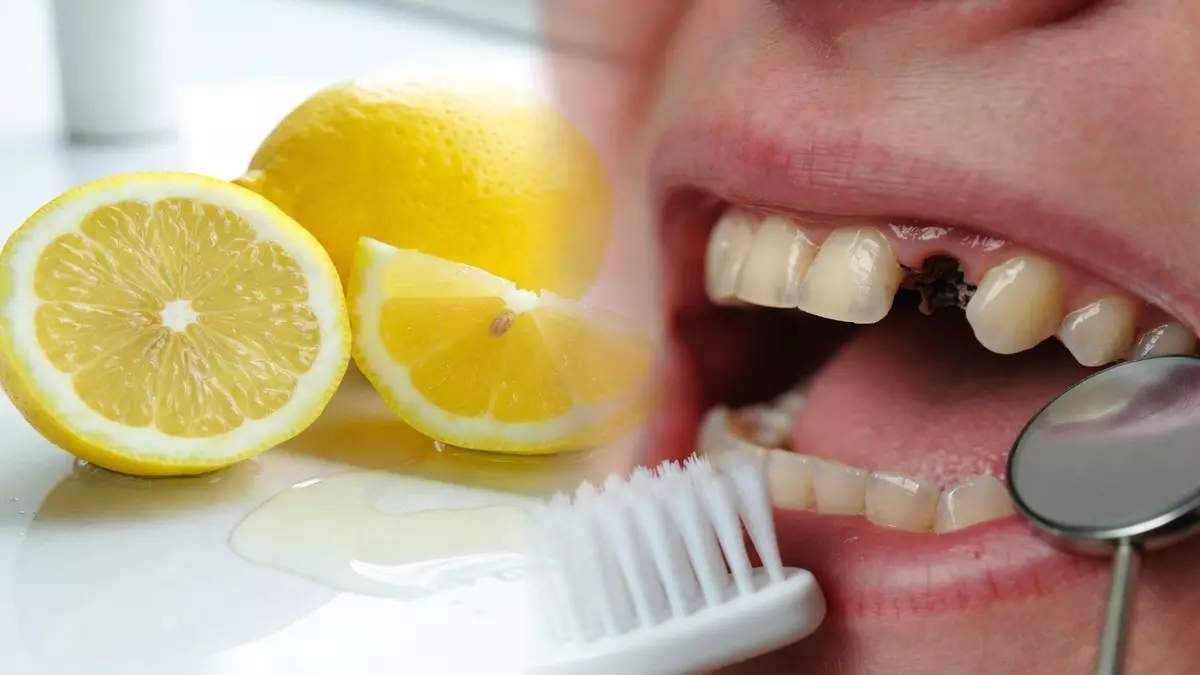
Many people searching for natural dental remedies come across the idea that a simple sip of lemon water or a quick lemon rinse can dissolve stubborn tartar and deliver a brighter smile. The claim sounds appealing — cheap, easy, and “natural.” But what does the actual science say, and could this popular home hack be quietly harming your teeth instead?
A 2024 study from Indonesia offers some intriguing short-term results on lemon rinses and plaque, but it falls far short of proving tartar removal or long-term safety. Understanding the difference between soft plaque and hardened tartar, along with the real risks of citric acid, can help you protect your smile without falling for unproven trends.
Lemon for Tartar Removal The Truth and 4 Hidden Risks
### The Rising Interest in Natural Tartar Remedies
Tartar, also known as dental calculus, is a common concern for anyone who wants healthier gums and whiter teeth. As awareness of oral health grows, social media fills with DIY solutions promising quick fixes. Lemon juice, with its high citric acid content, frequently tops these lists because of its reputation for breaking down stains and bacteria.
However, dental experts emphasize that most viral remedies lack strong evidence. The National Institute of Dental and Craniofacial Research makes it clear: once plaque mineralizes into tartar, only professional dental cleaning can remove it effectively. Home rinses may influence fresh plaque but rarely tackle established buildup.

### What the 2024 Lemon Rinse Study Actually Found
Researchers at Poltekkes Kemenkes Surabaya in Indonesia, including Sealomita Rizka Apritama, Bambang Hadi Sugito, Imam Sarwo Edi, and I Gusti Ayu Kusuma Astuti, tested diluted lemon solutions on 52 high school students. Participants rinsed with either a 10% or 15% lemon mixture for 30 seconds. Plaque was stained with a disclosing dye and scored before and 30 minutes after the rinse.
Both concentrations reduced average plaque scores significantly in the short term — dropping from about 2.48 to 1.27 in the 10% group and from 2.07 to 1.07 in the 15% group. The stronger solution did not show a clear advantage over the milder one.

Importantly, this was a small, single-day study without a true control group or long-term follow-up. The authors themselves called for larger, more rigorous trials. While the results suggest lemon rinses may temporarily disrupt soft plaque, they do not demonstrate tartar removal, whitening, or sustained benefits. Plaque and tartar are fundamentally different, and this distinction is crucial for anyone evaluating home remedies.
### Plaque vs. Tartar: Why the Difference Matters
Plaque is a soft, sticky bacterial film that forms on teeth throughout the day. Brushing, flossing, and some rinses can remove or control it. Tartar forms when plaque absorbs minerals from saliva and hardens, often along the gumline. Once hardened, it creates a rough surface that attracts more plaque and irritates gums.
No kitchen ingredient reliably dissolves established tartar. Professional scaling and root planing by a dentist or hygienist remain the gold standard. Leaving tartar in place increases risks for gingivitis, periodontitis, bad breath, and even tooth loss over time. According to the CDC, about 42% of U.S. adults aged 30 and older have some form of periodontitis, highlighting why prevention and professional care matter more than quick fixes.
### The Serious Risks of Citric Acid on Teeth
Lemon juice is highly acidic, with a pH that can soften tooth enamel temporarily. The American Dental Association warns that frequent exposure to acidic drinks and foods raises the risk of dental erosion — the irreversible wearing away of enamel that exposes sensitive dentin and increases decay risk.
**Four key risks to watch for:**
1. **Enamel Erosion** — Repeated acid exposure weakens the protective outer layer of teeth, making them more vulnerable to sensitivity, staining, and cavities.
2. **Increased Tooth Sensitivity** — As enamel thins, hot, cold, or sweet foods can cause sharp discomfort.
3. **Accelerated Decay** — Softened enamel is easier for bacteria to penetrate, especially if brushing happens too soon after acid exposure.
4. **Gum Irritation** — Acidic rinses may irritate delicate gum tissue, particularly in people with existing gum recession or sensitivity.
The ADA specifically advises against swishing acidic liquids or holding them in the mouth. After consuming anything acidic, rinse with plain water and wait at least 30–60 minutes before brushing. This gives saliva time to neutralize acids and reharden enamel.
### Better Evidence-Based Ways to Control Plaque and Tartar
While lemon rinses show limited short-term plaque reduction in one study, proven strategies deliver more reliable results:
– **Daily Brushing and Flossing**: Brush twice daily for two full minutes with fluoride toothpaste. Clean between teeth daily to disrupt plaque before it hardens.
– **Antimicrobial Mouth Rinses**: Look for ADA-accepted rinses containing ingredients like cetylpyridinium chloride or essential oils that help control bacteria.
– **Professional Cleanings**: Visit your dentist every 6 months (or more frequently if recommended) for thorough tartar removal and oral health assessments.
– **Dietary Choices**: Limit sugary and acidic drinks. Water, especially fluoridated, remains the best beverage for oral health.
– **Smoking Cessation**: Smokers face roughly double the risk of gum disease. Quitting provides major benefits for teeth and gums.
These habits form the foundation of good oral hygiene and outperform unproven home remedies in both safety and effectiveness.
### When Might Lemon Offer Any Benefit?
In moderation and used correctly, diluted lemon water might provide minor plaque-disrupting effects as part of a broader routine. However, it should never replace brushing, flossing, or dental visits. If you want to try it occasionally:
– Dilute heavily (well below the study concentrations).
– Rinse briefly and follow with plain water.
– Never brush immediately afterward.
– Monitor for sensitivity or other changes and stop if issues arise.
Always consult your dentist before adopting new routines, especially if you have existing dental conditions.
### The Bigger Picture: Oral Health Trends and Prevention
Myths about natural tartar removers spread quickly because they promise simplicity. In reality, consistent, evidence-based care prevents most problems. The CDC and ADA continue to stress that prevention through daily habits and professional care remains far more effective than chasing quick fixes.
Emerging research on natural compounds is interesting, but rigorous, long-term human studies are needed before any can be recommended widely. For now, the science supports proven methods over viral TikTok trends.
### Conclusion: Protect Your Smile with Smart Habits
A single sip of lemon water is unlikely to remove tartar or transform your smile. While a 2024 study showed short-term plaque reduction, the risks of citric acid — especially enamel erosion and the dangers of brushing too soon — make this remedy one to approach with caution. Focus instead on daily brushing, flossing, regular dental visits, and smart dietary choices for lasting oral health.
Your teeth deserve better than unproven shortcuts. By understanding the real science behind plaque, tartar, and acid risks, you can make informed decisions that actually protect your smile for years to come. The next time a trendy remedy catches your eye, remember: effective dental care is usually less flashy and far more reliable.
### FAQ: Lemon Rinses, Tartar Removal, and Tooth Risks
**1. Can lemon juice really remove tartar?**
No. Lemon may temporarily reduce soft plaque in some short-term studies, but it cannot remove hardened tartar. Only a dental professional can do that safely.
**2. How long should I wait to brush after drinking lemon water?**
Wait at least 30–60 minutes after any acidic drink. Rinse with plain water first and let saliva naturally neutralize the acid.
**3. Is there any safe way to use lemon for oral health?**
Heavy dilution and very occasional use might offer minor plaque disruption, but it’s not recommended as a regular routine. The risks generally outweigh potential minor benefits.
**4. What are the best ways to prevent tartar buildup?**
Brush twice daily with fluoride toothpaste, floss daily, use an ADA-accepted mouth rinse if desired, and get professional cleanings every six months.
**5. Does brushing right after acidic foods damage teeth?**
Yes. Acid softens enamel temporarily, and brushing can scrub away mineralized layers. Waiting allows enamel to reharden.
**6. Are there better natural alternatives for plaque control?**
Options like oil pulling, baking soda pastes, or xylitol products have varying levels of evidence, but none replace standard oral hygiene. Consult your dentist for personalized advice.
**7. When should I see a dentist about tartar?**
If you notice yellow or brown buildup, bleeding gums, bad breath, or sensitivity, schedule a visit. Early intervention prevents more serious gum disease.
Maintaining excellent oral health doesn’t require exotic remedies — just consistent care and evidence-based habits. Your smile will thank you for choosing proven strategies over social media myths.