
Table of Contents
- 1. The Nutrient Deficit: Why Refined White Rice Falls Short
- 2. The Distinct Health Advantages of Brown and Wild Rice
- 2.1. 1. Steady Energy and Blood Sugar Regulation
- 2.2. 2. Enhanced Digestibility and Gut Health
- 2.3. 3. High Protein and Amino Acids in Wild Rice
- 3. 5 Practical Strategies to Introduce Whole Grains Without a Fight
- 3.1. The Half-and-Half Blending Method
- 3.2. Integrate Into Familiar Comfort Foods
- 3.3. Infuse Flavor Directly Into the Grain
- 3.4. Transition into a Warm Breakfast Porridge
- 3.5. Commit to Weekly Batch Cooking
- 4. Summary of Grain Profiles
- 5. Frequently Asked Questions
- 5.1. Does brown rice take longer to cook than white rice?
- 5.2. Is arsenic in brown rice a safety concern for small children?
- 5.3. Can babies eat brown rice when starting solid foods?
- 5.4. How long does cooked brown rice stay fresh in the freezer?
- 5.5. Why does wild rice pop open when it is cooked?
Choosing the Right Grain: The Whole Rice Swap Mayo Clinic Recommends for Kids
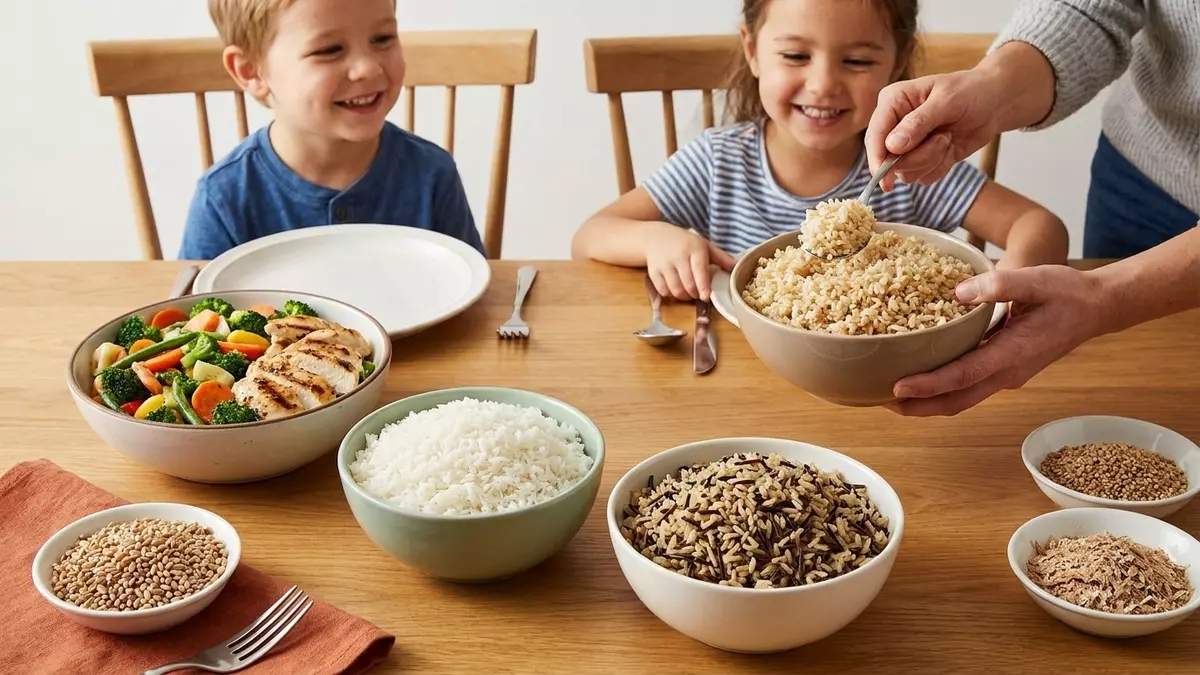
When planning weeknight family dinners, many parents instinctively reach for a bag of standard white rice. It is familiar, quick to cook, and rarely causes a fuss at the dinner table. However, pediatric nutrition experts at the Mayo Clinic suggest that by sticking solely to refined grains, families are missing out on an exceptional nutritional opportunity for their growing children.
According to official dietary guidelines, transitioning to whole-grain alternatives like brown rice and wild rice can dramatically elevate the nutritional value of a child’s diet. While often overlooked in favor of more processed options, these nutrient-dense grains provide essential foundational support for long-term health, physical growth, and sustained daily energy.
Choosing the Right Grain The Whole Rice Swap Mayo Clinic Recommends for Kids

The Nutrient Deficit: Why Refined White Rice Falls Short
To understand why pediatric experts advocate for whole grains, it helps to look at how processing changes the structural integrity of a grain crop.
[ Whole Grain Structure ] ──> Includes Bran, Germ, & Endosperm ──> Rich in Fiber & Vitamins
                                         │
                         ( Refined Processing Strips Exterior )
                                         │
                                         ▼
[ Refined White Rice ] ───────> Endosperm Only ──────────────────> Starch Heavy, Lower Nutrients
During the milling process, white rice is stripped of its outer layers: the bran and the germ. This leaves behind only the starchy endosperm. While this refinement extends shelf life and creates a softer texture, it inadvertently removes the vast majority of the grain’s natural fiber, essential B vitamins, iron, and trace minerals.
In contrast, brown and wild rice remain completely intact, preserving their full nutritional profile for your child’s developing body.

The Distinct Health Advantages of Brown and Wild Rice
Introducing whole grains into your weekly meal rotation offers several distinct biochemical and physiological benefits for active, growing kids.
1. Steady Energy and Blood Sugar Regulation
Unlike refined white rice—which converts rapidly into glucose and causes sudden energy spikes followed by irritable afternoon crashes—whole grains provide a slow, consistent release of complex carbohydrates. The natural fiber slows down digestion, ensuring children experience sustained, long-lasting energy for schoolwork, sports, and playtime.
2. Enhanced Digestibility and Gut Health
The dense dietary fiber found in brown rice keeps a child’s digestive tract moving predictably, preventing common childhood issues like constipation. Furthermore, a fiber-rich diet feeds the beneficial microbes in the gut microbiome, a critical factor that modern clinical research directly links to a stronger immune system and healthy cognitive development.

3. High Protein and Amino Acids in Wild Rice
Though commonly categorized alongside grain crops, wild rice is actually the seed of an aquatic marsh grass.
Protein Powerhouse: Wild rice packs significantly more protein than standard white or brown rice varieties.
Tissue Development: It delivers a robust profile of essential amino acids, which serve as the direct building blocks for muscle tissue synthesis and cellular repair during growth spurts.
Nutty Flavor Appeal: Its earthy, subtly nutty flavor profile expands a child’s palate, preventing mealtime boredom.
5 Practical Strategies to Introduce Whole Grains Without a Fight
Switching up a family staple can sometimes trigger resistance from picky eaters. You can easily ease your children into this healthy upgrade using a few simple, strategic culinary methods.
The Half-and-Half Blending Method
Do not switch to 100% whole grains overnight. Start by cooking a pot that contains half white rice and half brown rice. Because the textures and visual appearances blend together smoothly, your child can gradually adapt to the change without feeling overwhelmed by an abrupt textural shift. Over several weeks, steadily increase the ratio of whole grains.
Integrate Into Familiar Comfort Foods
Incorporate whole grains directly into savory dishes your children already love. Brown rice absorbs sauces beautifully in veggie-packed stir-fries, cheesy casseroles, and family-style taco or burrito bowls. Wild rice makes an excellent, hearty addition to chicken noodle soup or served alongside roasted chicken breast.
Infuse Flavor Directly Into the Grain
If your kids complain that brown rice tastes too plain, skip the plain boiling water. Instead, cook the grains in a low-sodium vegetable or free-range chicken broth. Tossing the finished rice with a splash of extra virgin olive oil, a pinch of sea salt, or fresh green herbs makes a massive difference in taste appeal.
Transition into a Warm Breakfast Porridge
Whole grains are not strictly reserved for dinner. A bowl of warm, leftover brown rice simmered gently on the stovetop with milk, fresh berries, sliced bananas, and a dash of sweet cinnamon makes a comforting, fiber-packed breakfast alternative to sugary box cereals.
Commit to Weekly Batch Cooking
Cooking brown and wild rice requires a bit more time on the stove than white rice. To save your sanity during hectic weeknights, prepare a massive batch over the weekend. Portion the cooked rice into airtight containers and store them in the refrigerator or freezer, allowing you to quickly scoop out what you need for effortless weeknight assembly.
Summary of Grain Profiles
| Rice Type | Classification | Nutritional Highlights | Best Culinary Uses |
| White Rice | Refined Grain | High starch, quick energy, minimal fiber | Quick meals, delicate side dishes |
| Brown Rice | Whole Grain | High fiber, B vitamins, magnesium, iron | Stir-fries, burrito bowls, breakfast porridge |
| Wild Rice | Aquatic Seed | High protein, essential amino acids, zinc | Hearty autumn soups, casseroles, stuffing |
Frequently Asked Questions
Does brown rice take longer to cook than white rice?
Yes. Because brown rice retains its tough, fibrous outer bran layer, it typically requires 40 to 45 minutes of simmering to achieve a tender texture, compared to the 15 to 20 minutes required for white rice. Utilizing an electric rice cooker or an Instant Pot can help streamline this process.
Is arsenic in brown rice a safety concern for small children?
Rice plants naturally absorb trace amounts of arsenic from the soil more efficiently than other grains, and it tends to concentrate in the outer bran layer. To safely minimize exposure for young children, thoroughly rinse your rice under cold running water before cooking, boil it in an excess volume of water (similar to cooking pasta), and drain the excess water off before serving. Additionally, rotating through a variety of whole grains like quinoa, oats, and barley ensures a balanced diet.
Can babies eat brown rice when starting solid foods?
Absolutely. Once your infant is ready to transition to solid foods (typically around six months of age), thoroughly pureed or soft-cooked brown rice is an excellent, nutrient-dense alternative to heavily processed white rice baby cereals, providing a wider array of natural vitamins and minerals right from the start.
How long does cooked brown rice stay fresh in the freezer?
Cooked whole grains freeze beautifully. Allow your cooked brown or wild rice to cool completely, transfer it to a freezer-safe zip-top bag, flatten it to save space, and freeze it for up to six months. When ready to use, simply add a splash of water and reheat it directly in the microwave or on the stovetop.
Why does wild rice pop open when it is cooked?
As wild rice cooks and absorbs hot liquid, the dark outer seed coat splits apart, revealing a fluffy, cream-colored interior. This splitting is a perfectly natural indicator that the wild rice is fully cooked, tender, and ready to be enjoyed.