
Table of Contents
- 1. The Aging Body’s Sensitivity to Sodium
- 1.1. Decreased Renal Function
- 1.2. Vascular Stiffening
- 2. Identifying the Primary Sodium Culprits
- 3. 5 Easy Flavor Swaps for a Low-Sodium Kitchen
- 3.1. 1. Shift to Fresh, Whole-Muscle Proteins
- 3.2. 2. Leverage the Brightness of Culinary Acids
- 3.3. 3. Build Depth with Fresh Herbs and Spices
- 3.4. 4. Rinse Canned and Brined Ingredients
- 3.5. 5. Prioritize Raw, Crisp Snacks
- 4. Comparative Sodium Profiles of Common Foods
- 5. Frequently Asked Questions
- 5.1. Is sea salt or Himalayan pink salt healthier than standard table salt?
- 5.2. How can I easily identify hidden sodium when grocery shopping?
- 5.3. What do terms like “Low Sodium” and “Reduced Sodium” actually mean on food labels?
- 5.4. Can drinking extra water help flush excess sodium out of my body?
- 5.5. Are salt substitutes that use potassium chloride safe for everyone?
The Sodium Strain: Why Federal Health Agencies Urge Seniors to Limit Cured, Brined, and Pickled Foods
Maintaining a healthy diet in our later years involves more than just monitoring caloric intake; it requires paying close attention to the specific ingredients that preserve our food. The U.S. Department of Agriculture (USDA), through its MyPlate nutrition program, explicitly advises adults over the age of 65 to limit foods preserved through curing, brining, or pickling.
Despite this official guidance, statistical dietary studies reveal that a vast majority of seniors consistently exceed their daily recommended sodium allowance. Because traditional preservation methods rely heavily on sodium to extend shelf life and enhance flavor, these processed foods introduce hidden cardiovascular risks into the daily diets of older adults.
The Sodium Strain Why Federal Health Agencies Urge Seniors to Limit Cured, Brined, and Pickled Foods

The Aging Body’s Sensitivity to Sodium
As the human body ages, its physiological response to dietary salt changes significantly. This makes high-sodium foods increasingly hazardous to long-term health.
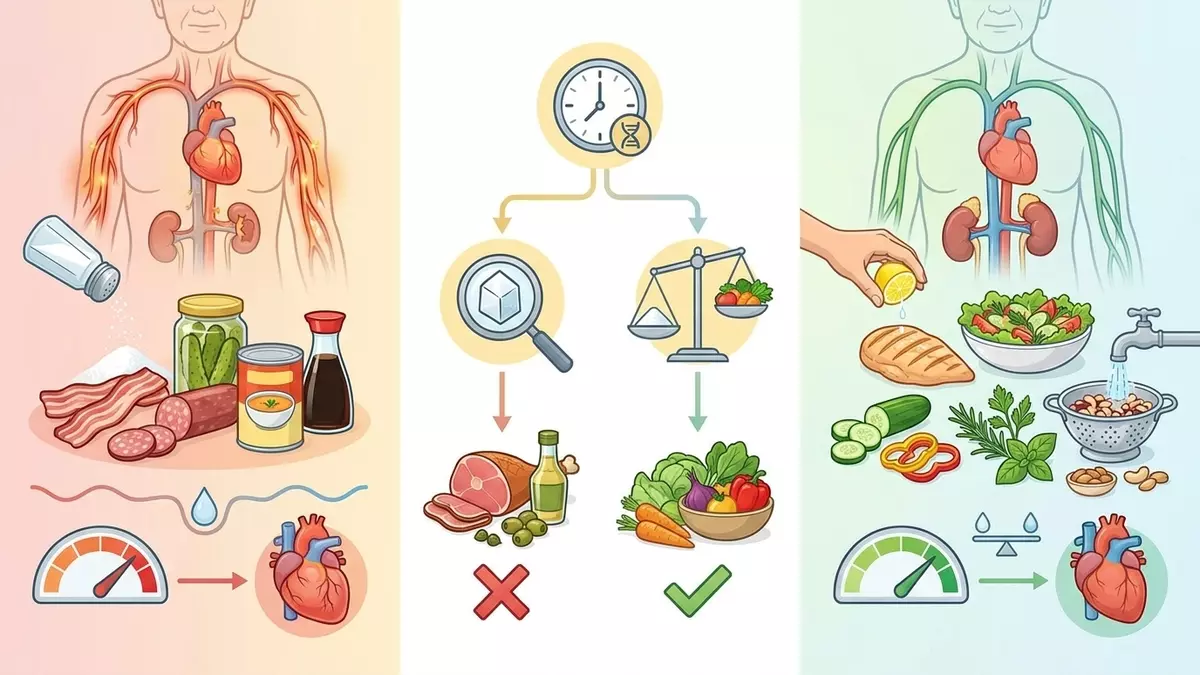
[ Natural Cardiovascular Aging ] ──> Stiffer Blood Vessels & Reduced Kidney Efficiency
                                                    │
                                      ( High Sodium Intake Intake )
                                                    │
                                                    ▼
[ Elevated Physiological Strain ] ──> Fluid Retention ──> Hypertension ──> Stroke / Heart Risk
Decreased Renal Function
With age, the kidneys naturally lose a percentage of their efficiency, becoming less capable of filtering and excreting excess sodium from the bloodstream. When sodium builds up, the body retains extra fluid to dilute it. This increases overall blood volume.
Vascular Stiffening
The arterial walls of older adults tend to become progressively stiffer over time. Pumping an increased volume of fluid through these rigid blood vessels creates intense physical pressure. This directly accelerates the development of chronic hypertension (high blood pressure), placing strain on the heart muscle and elevating the long-term risk of stroke or congestive heart failure.

Identifying the Primary Sodium Culprits
The Dietary Guidelines for Americans recommend that all adults keep their total daily sodium intake below 2,300 milligrams—the equivalent of just one level teaspoon of standard table sugar. For seniors already managing diagnosed hypertension, kidney disease, or cardiovascular issues, many medical professionals suggest an even stricter limit of 1,500 milligrams per day.
Unfortunately, standard preservation techniques make it easy to exceed these thresholds in a single meal.
Cured and Smoked Meats: Staples like bacon, deli ham, salami, prosciutto, corned beef, and hot dogs undergo aggressive curing processes that infuse massive amounts of salt deep into the meat fibers. A single 2-ounce serving of deli meat can easily contain over 600 milligrams of sodium.
Brined and Pickled Foods: While vegetables are inherently healthy, submerging them in a salty brine transforms them into sodium traps. Traditional dill pickles, green olives, capers, and sauerkraut carry a heavy sodium load that can quickly disrupt fluid balance.
Processed Condiments and Soups: Pantry staples like soy sauce, commercial salad dressings, jarred marinara, and canned soups use sodium as both a flavor enhancer and a primary preservative, hiding significant amounts of salt in seemingly small servings.
5 Easy Flavor Swaps for a Low-Sodium Kitchen
Transitioning away from heavily salted, preserved foods does not mean your meals have to be unappealing or bland. By utilizing natural aromatics and acids, you can easily replicate the bold flavor profiles your palate craves.
1. Shift to Fresh, Whole-Muscle Proteins
Replace processed deli meats and cured sausages with fresh, unmarinated chicken breasts, turkey, pork tenderloin, or wild-caught fish. Roast or grill these proteins at home, slicing them thinly for sandwiches. This simple shift eliminates the chemicals and heavy salt loads used in commercial meat processing.
2. Leverage the Brightness of Culinary Acids
The tongue possesses specific taste receptors for both salt and acid, and they complement each other beautifully. If a dish tastes flat, avoid reaching for the salt shaker. Instead, squeeze fresh lemon, lime, or orange juice over the food, or add a splash of apple cider or red wine vinegar. The natural acidity mimics the flavor-enhancing properties of salt.
3. Build Depth with Fresh Herbs and Spices
Transform low-sodium meals by experimenting with garlic, onions, shallots, and ginger. Season your dishes generously with bold ground spices like cumin, smoked paprika, black pepper, and cayenne, or toss in fresh green herbs like dill, basil, rosemary, and flat-leaf parsley to create robust flavor profiles.
4. Rinse Canned and Brined Ingredients
If you choose to use canned beans, corn, or tuna, empty the contents into a fine-mesh colander and rinse them thoroughly under cold running water for 60 seconds. Clinical testing shows that this straightforward step can wash away up to 40% of the surface-level processing sodium.
5. Prioritize Raw, Crisp Snacks
Swap out salty potato chips, processed crackers, and pickled side dishes for naturally low-sodium snacks. Keep a steady supply of crisp raw cucumbers, bell pepper strips, celery sticks, and completely unsalted roasted nuts on hand to satisfy your craving for a crunch without taxing your cardiovascular system.
Comparative Sodium Profiles of Common Foods
| High-Sodium Preserved Food | Average Sodium | Healthier Low-Sodium Swap | Average Sodium |
| Deli Ham (2 oz) | ~620 mg | Roasted Turkey Breast (2 oz fresh) | ~55 mg |
| Dill Pickle (1 medium) | ~780 mg | Fresh Cucumber Slices (1 cup) | ~2 mg |
| Canned Chicken Soup (1 cup) | ~890 mg | Homemade Low-Sodium Soup (1 cup) | ~70 mg |
| Soy Sauce (1 tbsp) | ~879 mg | Coconut Aminos (1 tbsp) | ~270 mg |
Frequently Asked Questions
Is sea salt or Himalayan pink salt healthier than standard table salt?
No. Gram for gram, gourmet options like sea salt, kosher salt, and Himalayan pink salt contain virtually the same amount of sodium chloride as basic iodized table salt. While they may contain trace amounts of minerals, they have the exact same biological impact on fluid retention and blood pressure.
How can I easily identify hidden sodium when grocery shopping?
Always turn the product around to review the mandatory Nutrition Facts label rather than relying on front-of-pack marketing claims. Look specifically at the milligrams of sodium per serving and pay close attention to the serving size, as manufacturers often split packages into multiple small servings to make the sodium count appear lower.
What do terms like “Low Sodium” and “Reduced Sodium” actually mean on food labels?
The FDA enforces strict legal definitions for these terms. “Low Sodium” means a food has 140 milligrams or less per serving. “Very Low Sodium” means 35 milligrams or less. “Reduced Sodium” simply means the product has at least 25% less salt than the manufacturer’s original version, though the total amount could still be quite high.
Can drinking extra water help flush excess sodium out of my body?
Staying properly hydrated supports optimal kidney function and helps your body maintain a balanced fluid status. However, drinking extra water cannot entirely counteract or reverse the negative vascular damage caused by a chronically high-sodium diet. The most effective approach remains limiting salt at the source.
Are salt substitutes that use potassium chloride safe for everyone?
While potassium-based salt substitutes can help some individuals lower their blood pressure, they are not universally safe. Seniors with chronic kidney disease, or those taking specific medications like ACE inhibitors or potassium-sparing diuretics, should avoid them. This is because excess potassium can build up in the body, leading to dangerous heart arrhythmias. Always consult your primary care physician before switching to a alternative salt product.