
Table of Contents
- 1. The Invisible Threat: Why Boiling Water Cannot Protect Your Baby
- 2. One Father’s Hospital Nightmare Sparks Demand for Accountability
- 3. Tracking the Source: The Contaminated Ingredient
- 4. The Global Scope of the Outbreak
- 5. Summary of Recalled Container Sizes and Specifications
- 6. Critical Symptoms Parents Must Watch For
- 7. Current Status and Actionable Steps for Caregivers
- 8. Frequently Asked Questions
- 8.1. What exactly is the difference between Bacillus cereus and cereulide?
- 8.2. How quickly do symptoms of cereulide poisoning appear after feeding?
- 8.3. Can a baby recover fully from cereulide toxin poisoning?
- 8.4. Are open or prepared bottles of liquid formula more at risk than sealed powder?
- 8.5. What should I do if my baby drank a recalled batch but seems completely fine?
Dangerous Baby Formula Recall Sparks Global Health Warning Over Invisible Toxin
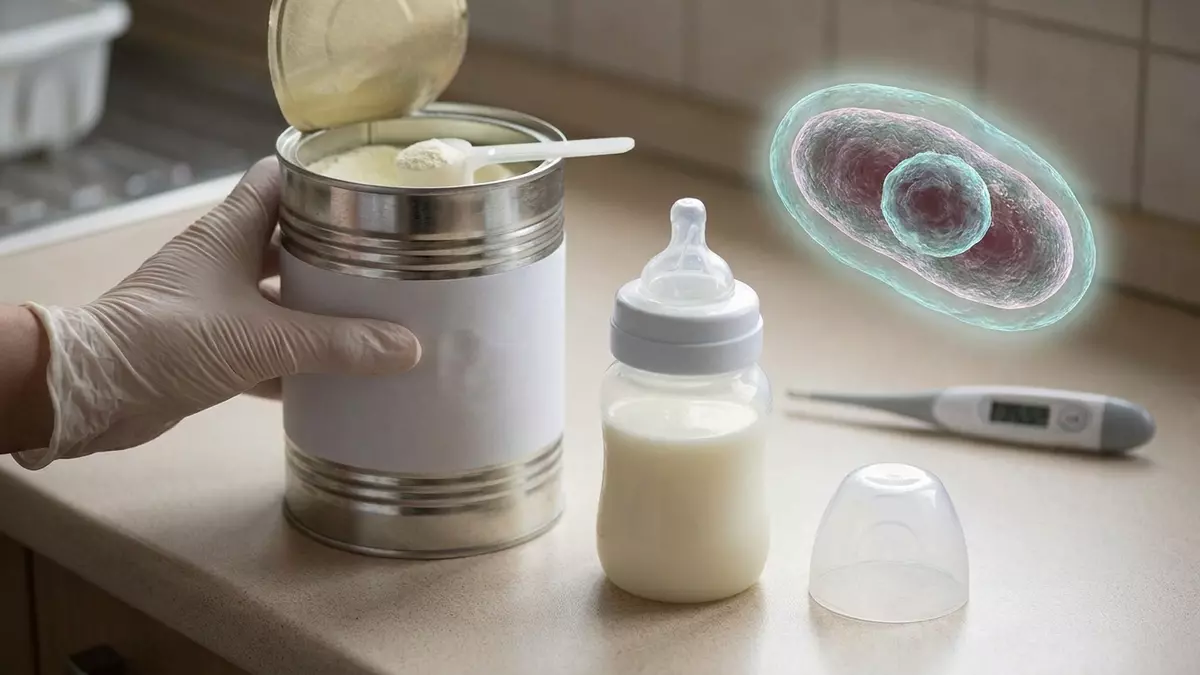
A standard infant formula recall that initially began as a routine precaution has rapidly escalated into a sweeping international public health warning. Regulatory officials have confirmed that certain contaminated batches of popular infant formula contain cereulide—a highly resilient, heat-stable bacterial toxin that can trigger acute, sudden vomiting, severe abdominal pain, and dehydration in infants.
The widespread safety alert involves specific production batches of prominent formula brands, including Nestlé’s SMA products, alongside select batches of Aptamil and Cow & Gate formulas flagged by United Kingdom regulatory bodies. For terrified parents, the most alarming aspect of this developing situation is that the underlying danger is completely invisible and entirely resistant to standard kitchen sterilization methods.
Dangerous Baby Formula Recall Sparks Global Health Warning Over Invisible Toxin
The Invisible Threat: Why Boiling Water Cannot Protect Your Baby
When faced with potential bacterial contamination in a kitchen setting, a parent’s natural instinct is to sterilize equipment and boil water. However, health officials are issuing an urgent warning: you cannot boil this toxin away.

[Standard Bacteria] ➔ Killed by boiling water (212°F) ➔ Safe
[Cereulide Toxin]   ➔ Withstands heat up to 250°F    ➔ DANGEROUS
Cereulide is a specialized toxin produced by specific strains of Bacillus cereus, a spore-forming bacterium found naturally in the environment. While the active bacteria themselves can be destroyed by heat, the cereulide toxin they leave behind is incredibly durable. According to data from the World Health Organization (WHO), cereulide can easily withstand temperatures up to approximately 250°F (121°C). Because standard infant formula preparation involves boiling water at 212°F (100°C), ordinary preparation methods are entirely useless at neutralizing an affected batch.
One Father’s Hospital Nightmare Sparks Demand for Accountability
The terrifying reality of this contamination came to light through the harrowing experience of Rhys Edwards, a father whose five-month-old son fell violently ill after consuming a recalled batch of SMA formula. Within hours of feeding, the infant began vomiting repeatedly, eventually requiring emergency hospitalization.
Medical professionals at the hospital had to intervene due to severe complications stemming from rapid dehydration and dangerously fluctuating blood glucose levels. Shockingly, the Edwards family only discovered the active product recall while sitting in the emergency room dealing with the active medical crisis.

“When you stand in a crowded supermarket aisle choosing a formula for your child, you are placing absolute faith and trust in that brand,” Edwards stated, demanding immediate answers from manufacturers regarding how a dangerous, heat-resistant toxin managed to pass through factory quality control protocols.
Tracking the Source: The Contaminated Ingredient
Public health investigators have successfully traced the root cause of the global contamination back to a single, foundational raw ingredient: arachidonic acid oil, commonly referred to in the infant nutrition industry as ARA oil. ARA oil is a vital fatty acid regularly blended into infant formulas to support healthy brain and eye development, mimicking the natural nutritional profile of human breast milk.
Because this single contaminated batch of oil was distributed to multiple manufacturing hubs, the scope of the recall is immense. The World Health Organization confirmed that compromised formula tins, specialized nutritional products, and raw bulk oil mixtures have been distributed to 99 countries and territories spanning all six global WHO regions.

The Global Scope of the Outbreak
The scale of this public health emergency is actively expanding as international tracking systems log historical cases.
Early 2026 Tracking: Between January 1 and February 25, 2026, international health agencies recorded 144 suspected and confirmed cases of cereulide poisoning across 10 different countries.
The UK Impact: By March 2, 2026, the UK Health Security Agency (UKHSA) alongside partner organizations had received 61 formal notifications regarding children who exhibited acute symptoms consistent with cereulide toxin poisoning after consuming the implicated formula batches.
Public health teams note that some of the hospitalized children also tested positive for concurrent, seasonal winter viral infections, which can mirror foodborne illness symptoms. However, the statistical pattern was severe enough to warrant rigorous, ongoing monitoring across primary care networks, pediatric emergency rooms, and global reporting systems.
Summary of Recalled Container Sizes and Specifications
Officials urge caregivers not to rely on the brand name alone when checking their kitchen pantries. You must actively inspect the physical batch code stamps and expiration dates against official regulatory lists. The recall spans a wide variety of product form factors:
| Product Packaging Type | Liquid Volume / Powder Weight | Primary Risk Factor |
| Ready-to-Feed Liquid | Small bottles (~2.4 to 6.8 fluid ounces) | High convenience, frequently used in hospitals/travel |
| Standard Powder Tubs | Medium containers (~14 ounces) | Common household size |
| Bulk Economy Tins | Large sizes (~1.8 to 2.6 pounds) | Long shelf-life, can sit in cupboards for months |
Critical Symptoms Parents Must Watch For
In infants, the onset of cereulide toxin poisoning can be incredibly rapid. Because a baby’s body mass is so small, severe vomiting can deplete their fluid reserves within hours, leading to medical shocks. Seek immediate emergency medical care if your child has consumed an affected batch and exhibits any of the following warning signs:
Sudden, projectile, or repeated vomiting
Acute diarrhea or watery stools
Clear signs of abdominal pain (drawing knees up to the chest, inconsolable crying)
Refusal to feed or poor latching
Unusual lethargy, extreme sleepiness, or difficulty waking up
Signs of Dehydration: Dry mouth, lack of tears when crying, sunken eyes, or fewer than six wet diapers in a 24-hour window.
Current Status and Actionable Steps for Caregivers
In an official corporate update published in April 2026, Nestlé announced that all compromised batches of SMA formula had been successfully removed from supply chains, asserting that all retail products currently available for purchase on store shelves in the United Kingdom and Ireland are entirely safe to consume.
However, because infant formula tins are frequently bought in bulk or saved for emergencies, old, hazardous product containers could still be sitting forgotten in the back of your kitchen cupboards.
Take five minutes today to pull out every tin of formula in your home and verify the batch numbers against the official list on the World Health Organization or your local Food Standards Agency website. If you discover a matching code, stop using the product immediately, do not attempt to fix it with heat, and discard it safely or return it to the point of purchase for a full refund.
Frequently Asked Questions
What exactly is the difference between Bacillus cereus and cereulide?
Bacillus cereus is the living, microscopic bacterium itself. If you consume the live bacteria, they can multiply in your intestines and cause a mild diarrheal illness. Cereulide, on the other hand, is a toxic byproduct pre-formed by the bacteria while sitting inside the food product before it is ever consumed. Because cereulide is a chemical compound rather than a living organism, it is entirely immune to heat, antibiotics, and standard food preservation chemicals.
How quickly do symptoms of cereulide poisoning appear after feeding?
Because the cereulide toxin is already formed inside the formula before the baby drinks it, the body recognizes the poison almost instantly. Symptoms emerge incredibly fast, typically manifesting within 1 to 5 hours after ingestion. This rapid onset is a primary way doctors differentiate toxin-mediated food poisoning from standard viral or bacterial infections, which usually take 24 to 48 hours to incubate.
Can a baby recover fully from cereulide toxin poisoning?
Yes. With prompt medical intervention focused primarily on intravenous fluid rehydration and balancing vital electrolytes, the vast majority of infants recover completely without experiencing any long-term, permanent damage to their internal organs or digestive systems. The primary danger rests entirely on unchecked dehydration.
Are open or prepared bottles of liquid formula more at risk than sealed powder?
In this specific global incident, the contamination occurred at the baseline factory level due to a tainted bulk ingredient (ARA oil). Therefore, the toxin is present within the sealed, dry powder or factory-sealed liquid bottles themselves. It is not a result of poor kitchen hygiene, leaving a prepared bottle out on the counter too long, or improper storage by the consumer.
What should I do if my baby drank a recalled batch but seems completely fine?
Stop using that specific container of formula immediately and switch to a verified, safe batch number. Even if your baby has not shown immediate symptoms, do not risk a secondary feeding, as the toxin may not be perfectly distributed throughout the entire contents of the container. Monitor your child closely for the next 24 hours for any subtle changes in behavior, sleepiness, or feeding habits, and notify your pediatrician as a precautionary measure.