
Table of Contents
- 1. Know Your Greens: Not All Varieties Re-Grow the Same Way
- 1.1. The Best Choice: Loose-Leaf Varieties
- 1.2. The Intermediate Choice: Romaine
- 1.3. The One-and-Done Varieties: Heading Lettuces
- 2. When to Harvest for Maximum Crispness and Flavor
- 3. Step-by-Step Guide to the “Cut-and-Come-Again” Method
- 3.1. Step 1: Use Sanitized, Sharp Tools
- 3.2. Step 2: Harvest from the Outside In
- 3.3. Step 3: Protect the Central Crown
- 3.4. Step 4: Hydrate Immediately
- 4. Post-Harvest Care to Fuel Rapid Regrowth
- 5. Common Harvesting Pitfalls to Avoid
- 6. Bonus Pro-Tip: Stagger Your Succession Plantings
- 7. Conclusion
- 8. Frequently Asked Questions
How to Harvest Homegrown Lettuce for Nonstop Growth All Season
If you have ever planted a patch of crisp garden greens only to wonder how to keep those fresh leaves coming week after week, you are not alone. Lettuce is widely celebrated as one of the easiest, most rewarding crops to cultivate in a backyard plot, raised bed, or container garden. However, the secret to a Truly abundant supply lies not in planting more seeds, but in mastering the right harvesting techniques. With a few proper cutting strategies, you can enjoy a continuous supply of tender salad greens without needing to replant your garden every time you want a meal.
Whether you are managing a spacious backyard plot or a few modest window boxes, treating your leafy greens with care ensures they will keep producing for months. Here is everything you need to know to transform your single-harvest crops into an ongoing backyard buffet.
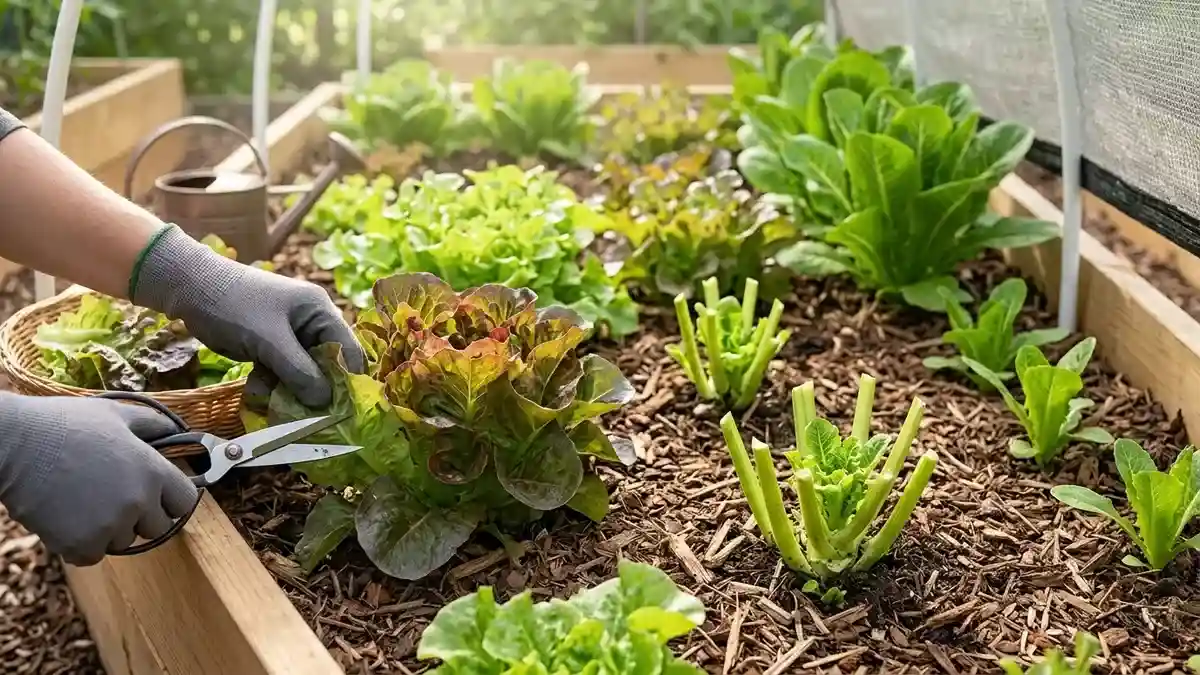
How to Harvest Homegrown Lettuce for Nonstop Growth All Season

Know Your Greens: Not All Varieties Re-Grow the Same Way
Before you grab your garden shears, it is crucial to recognize that not all lettuce varieties respond the same way to continuous harvesting. Understanding the growth habits of your specific crop is the first step toward securing a recurring yield.
The Best Choice: Loose-Leaf Varieties
If your goal is a repeatable, ongoing harvest, loose-leaf varieties are your absolute best option. Popular cultivars like ‘Red Salad Bowl’, ‘Black Seeded Simpson’, and standard ‘Green Leaf’ do not form a central, tightly bound head. Instead, they grow in open, loose clusters of individual leaves. Because their growing points remain accessible, these plants are perfectly suited for a repetitive harvesting style.
The Intermediate Choice: Romaine
Romaine, or cos lettuce, occupies a middle ground. While it naturally tends to grow in an upright, elongated bunch, you can successfully harvest individual outer leaves progressively. It requires a slightly more delicate touch and takes a bit longer to regenerate than loose-leaf types, but it is highly adaptable to continuous cutting if handled properly.

The One-and-Done Varieties: Heading Lettuces
On the opposite end of the spectrum are crisphead (iceberg) and butterhead (Boston or Bibb) varieties. These plants focus their energy on developing a singular, tightly wrapped center. Trying to pick individual leaves from these varieties usually disrupts their development, making them a “one-and-done” crop that you harvest all at once by cutting the entire head at the base. Always verify which variety you are growing before planning your long-term harvesting strategy.
When to Harvest for Maximum Crispness and Flavor
Timing is everything when it comes to gathering garden greens. To secure the most delicious, tender flavor, you want to pick the foliage when it is young and vibrant.
Size Matters: Aim to harvest when the individual outer leaves reach between 4 and 6 inches in height. At this stage, they are substantial enough to make a great salad but young enough to remain sweet and tender. Letting them grow too large compromises their texture and stresses the plant.
Watch the Weather: Allowing the foliage to overmature, especially as summer temperatures climb, will cause the sap to turn milky and incredibly bitter. It can also trigger “bolting,” a process where the plant prematurely sends up a flowering stalk, signaling the end of its leaf-production cycle.
The Best Time of Day: Always harvest your greens early in the morning. Overnight, the plants soak up moisture from the soil and rest from the heat of the sun. Gathering them before the day warms up ensures the leaves are at their absolute crispest, coolest, and most hydrated.

Step-by-Step Guide to the “Cut-and-Come-Again” Method
The “cut-and-come-again” method is the definitive technique for achieving multiple rounds of salads from a single root system. When done correctly, this approach can easily yield three to four separate flushes of growth from the exact same plant.
Step 1: Use Sanitized, Sharp Tools
Never rip or tear the foliage away with your bare hands, as ragged wounds leave the plant vulnerable to diseases and pests. Instead, use a pair of clean, sharp scissors, garden shears, or a specialized harvesting knife to make clean, precise cuts.
Step 2: Harvest from the Outside In
Always focus your efforts strictly on the outermost leaves of the cluster. These are the oldest, most mature parts of the plant. By removing them, you open up airflow and allow more sunlight to reach the younger sections.
Step 3: Protect the Central Crown
As you cut, make your incisions roughly one inch above the soil line. It is absolutely vital that you leave the very center of the plant—known as the growing crown—completely untouched. This central hub is where all new cell division and leaf development occur. If you accidentally nick or slice through this crown, the plant will stop growing entirely.
Step 4: Hydrate Immediately
Cutting causes immediate moisture loss and mild stress to the crop. As soon as you finish gathering your salad ingredients, give the remaining root zone a gentle, thorough watering to help the plant recover and jumpstart its next growth cycle.
Post-Harvest Care to Fuel Rapid Regrowth
Once you have gathered your fresh greens, providing a little extra attention will ensure the remaining plant bounces back rapidly.
Because lettuce has a relatively shallow, fibrous root system, it is highly sensitive to environmental changes. Directly after harvesting, consider feeding your plants with a diluted organic fertilizer, such as a well-balanced compost tea or a weak liquid kelp solution. This delivers an immediate boost of nitrogen, which is the primary nutrient responsible for vibrant leaf production.
Additionally, pay close attention to the climate. If daytime temperatures begin to soar, provide your crops with relief by installing a temporary shade cloth over your garden beds during the punishing afternoon hours. Mulching the soil around the base of the plants with clean straw, shredded leaves, or fine bark chips is another fantastic way to lock in essential soil moisture and keep the sensitive roots insulated from extreme heat.
Common Harvesting Pitfalls to Avoid
Even seasoned gardeners occasionally make mistakes that can stall their lettuce production. Keep an eye out for these frequent errors:
Uprooting the Entire Plant: Unless you are clearing your beds at the very end of the growing season or harvesting a strict heading variety, never pull the plant up by its roots.
Cutting Too Close to the Soil: Slicing your shears too deeply into the base risks destroying the central crown. Always measure an inch up from the ground before making your cut.
Allowing Leaves to Overgrow: It can be tempting to wait for massive leaves, but keeping them on the plant for too long degrades the flavor and drains the plant’s energy, slowing down future yields.
Harvesting Mid-Day or During Wilting: Never harvest when a plant is actively dropping or stressed by intense midday heat. Forcing a wilted plant to recover from a harvest can permanently stunt its future regrowth.
Bonus Pro-Tip: Stagger Your Succession Plantings
If you want to take your backyard food production to the next level, pair your cut-and-come-again harvesting technique with a strategy called succession planting.
Instead of sowing all your seeds on the exact same day, sow a new batch of lettuce seeds every two to three weeks throughout the spring and autumn. This creates an ongoing, staggered cycle: while your oldest batch is resting and regenerating after a heavy harvest, your next patch of seedlings is just reaching its peak size. By alternating between your different planting blocks, you will ensure a completely uninterrupted supply of homegrown salads all season long.
Conclusion
Enjoying an endless supply of crisp, flavorful garden salads does not require a massive plot of land or constant replanting. By choosing adaptable loose-leaf varieties, harvesting during the cool morning hours, and carefully preserving the central growing crown, you can enjoy a recurring bounty right from your own backyard. Avoid common mistakes, keep the soil cool, and utilize succession planting to keep your kitchen fully stocked with organic greens for months on end.
Frequently Asked Questions
How many times will a lettuce plant grow back after cutting?
If you use the cut-and-come-again method properly and keep the central crown intact, most loose-leaf varieties will reliably grow back 3 to 4 times before the plant naturally reaches the end of its life cycle or begins to bolt due to warm weather.
Can you save a lettuce plant that has started to bolt?
Once a lettuce plant bolts and begins sending up a central flower stalk, the energy shifting toward seed production makes the leaves incredibly bitter and tough. While you can cut off the flower stalk to briefly delay the process, the flavor rarely recovers, and it is usually best to replace the plant with a new seedling.
What is the best way to clean and store freshly harvested lettuce?
Submerge your freshly harvested leaves in a bowl of cold water to rinse away any garden soil or insects. Gently pat them dry with a clean kitchen towel or use a salad spinner to remove excess moisture. Store the dry leaves in a breathable bag or a container lined with a paper towel inside your refrigerator’s crisper drawer for up to a week.
Why are the leaves on my second harvest tasting bitter?
Bitterness is usually caused by environmental stress, particularly rising outdoor temperatures or insufficient watering between harvests. To keep the second and third flushes sweet, ensure the soil stays consistently moist, keep the roots cool with mulch, and offer afternoon shade.
Can I grow cut-and-come-again lettuce indoors during the winter?
Absolutely. Because loose-leaf lettuces have shallow root systems and don’t need to form large heads, they thrive indoors. Place your pots or window boxes on a bright, south-facing windowsill or underneath a standard LED grow light for 12 to 14 hours a day to enjoy fresh salads through the winter months.