
Table of Contents
**Master Spider Plant Care: 10 Secrets for Vibrant Growth**
Spider plants rank among the most popular and forgiving houseplants for good reason. With their graceful arching leaves, striking green-and-white variegation, and charming plantlets dangling like little spiders, *Chlorophytum comosum* brings life and movement to any indoor space. Whether you’re a busy professional, a new plant parent, or an experienced gardener, these resilient plants reward minimal effort with lush, cascading foliage.
After years of growing dozens of spider plants in various home environments, I’ve discovered the specific techniques that transform ordinary specimens into show-stopping, healthy beauties. This guide shares practical, proven strategies to help your spider plants not just survive, but truly thrive.
Master Spider Plant Care 10 Secrets for Vibrant Growth
### Choosing the Ideal Location for Maximum Growth
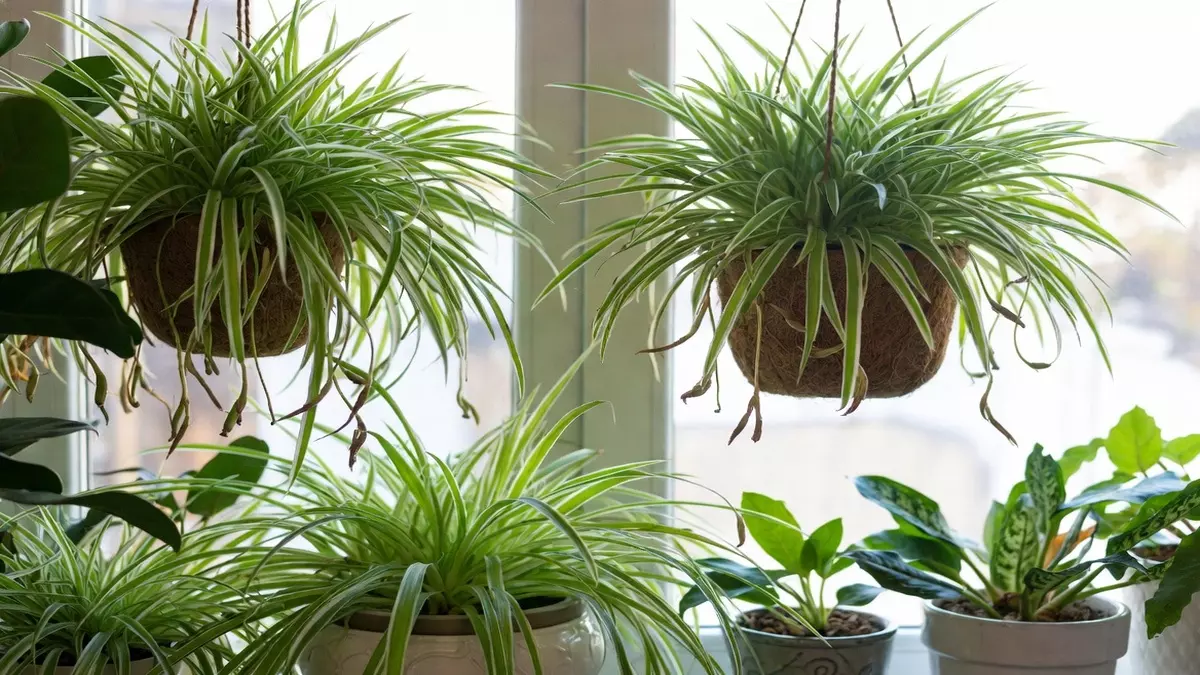
Light conditions play a crucial role in spider plant success. These plants prefer bright, indirect light that encourages strong variegation and steady growth without burning their delicate leaves.
East-facing windows often provide the perfect balance of gentle morning sun. South or west windows work well too, as long as you filter intense afternoon rays with sheer curtains. In lower-light homes or offices, spider plants adapt remarkably well to fluorescent or LED grow lights, making them excellent choices for workspaces and interior rooms.
**Pro Tip:** Watch your plant’s response. Pale leaves or slow growth usually signal insufficient light, while brown, crispy tips often indicate too much direct sun exposure.
### Boosting Growth with Coffee Grounds
One of my favorite natural care hacks involves used coffee grounds. Once dried, they serve as a gentle, slow-release fertilizer rich in nitrogen that promotes lush leaf development. The grounds also enhance soil structure and help repel common pests like fungus gnats.
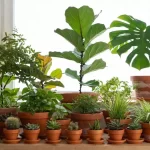
Sprinkle a thin layer directly on the soil surface every month or two, or brew a weak “coffee tea” by steeping grounds in water and using it during regular watering sessions. This simple addition can noticeably improve plant vigor without the risk of chemical buildup.
### Selecting the Right Pot and Soil Mix
Proper container choice significantly impacts root health. Spider plants appreciate pots with ample drainage holes to prevent soggy soil, which quickly leads to root rot. Choose a container only slightly larger than the root ball—about one to two inches wider—to encourage healthy growth without overwhelming the plant.
For soil, opt for a well-aerated blend. A standard high-quality potting mix combined with perlite, orchid bark, or coarse sand creates excellent drainage while retaining necessary moisture. This combination mimics the plant’s natural preference for quick-draining conditions while providing essential nutrients.
### Watering Techniques for Healthy Roots
Overwatering remains the top killer of spider plants. These plants store moisture in their thick, tuberous roots, allowing them to tolerate occasional dry spells better than many other houseplants.
Check soil moisture by inserting your finger about an inch deep. Water thoroughly only when the top layer feels dry. In spring and summer, this typically means watering once per week. During fall and winter, reduce frequency to every two to three weeks, adjusting based on your home’s heating and humidity levels.
Always use room-temperature water and ensure excess drains completely from the pot.
### Fertilizing for Bigger, Bolder Plants
Consistent nutrition supports the rapid growth spider plants are known for. During the active growing season from spring through early fall, apply a balanced liquid houseplant fertilizer at half strength every two weeks. This approach provides steady nutrients without causing salt accumulation that leads to brown leaf tips.
In winter, reduce or pause fertilizing as growth naturally slows. Remember, healthy spider plants show steady improvement rather than dramatic overnight changes.
### Propagation Strategies to Multiply Your Collection
Spider plants produce adorable offsets, or “babies,” on long arching stems. These plantlets offer an easy way to expand your collection or create fuller displays.
While you can leave babies attached for a cascading look, occasionally removing them redirects energy to the main plant for stronger foliage. For maximum impact, plant several rooted babies back into the original pot alongside the mother plant. This creates a full, dramatic hanging basket effect that’s perfect for shelves, plant stands, or macrame hangers.
**Advanced Technique:** Place detached babies in water or light soil until roots develop, then transplant for nearly 100% success rate.
### Optimizing Temperature and Humidity Levels
Spider plants perform best in average room temperatures between 60–75°F (15–24°C). Protect them from cold drafts near windows or doors in winter, and keep them away from heating vents or air conditioners that create extreme temperature swings.
While they tolerate typical indoor humidity, slightly elevated levels encourage larger leaves and faster growth. Group plants together, use a pebble tray with water, or run a small humidifier during dry winter months for noticeable improvements.
### Pruning Practices for Shape and Vitality
Regular maintenance keeps spider plants looking their best. Remove yellow or brown leaves at the base using clean, sharp scissors. Trim brown tips on leaves with a slight curve to maintain their natural pointed shape.
Pruning not only improves aesthetics but stimulates fresh growth from the center. Don’t be afraid to remove older outer leaves occasionally—this encourages the plant to produce new, vibrant foliage.
### When and How to Repot Spider Plants
These fast growers become root-bound within 1-2 years. Signs it’s time to repot include roots circling the pot’s bottom, emerging from drainage holes, or noticeably slower growth despite proper care.
Choose a new pot just one size larger. Gently loosen the root ball, refresh the soil, and water thoroughly after repotting. Your plant will often experience a growth spurt within weeks as roots expand into fresh soil.
### Rotating for Symmetrical Beauty
Spider plants naturally grow toward light sources, which can result in lopsided shapes over time. Make it a habit to rotate the pot a quarter turn every week or two. This simple practice promotes even, balanced growth and creates a more attractive, full appearance from all angles.
### Additional Tips for Exceptional Results
Beyond the basics, several practices can elevate your spider plant game:
– Wipe leaves gently with a damp cloth monthly to remove dust and improve photosynthesis.
– Monitor for common pests like spider mites or mealybugs, treating early with neem oil or insecticidal soap.
– Consider seasonal adjustments—plants often appreciate a slightly cooler rest period in winter.
– Use spider plants in creative ways: hanging baskets, vertical gardens, or as part of a living room centerpiece.
### Why Spider Plants Deserve a Spot in Every Home
Beyond their beauty, spider plants rank among the top air-purifying houseplants according to NASA studies. They effectively filter common indoor toxins while being non-toxic to pets and children, making them ideal for family homes.
With proper care, a single spider plant can live for many years and produce hundreds of offspring, creating a living legacy you can share with friends and family.
**Conclusion**
Growing healthy, vibrant spider plants doesn’t require a green thumb—just consistent attention to their basic preferences. By providing appropriate light, thoughtful watering, and occasional nutrients, you’ll enjoy cascading foliage and charming babies that bring joy to your space. Start with one or two plants and watch your indoor jungle expand naturally. Your home (and your spider plants) will thank you for the care.
### Frequently Asked Questions
**How fast do spider plants grow?**
Under ideal conditions, spider plants grow quite quickly, often producing new leaves weekly during spring and summer. They can double in size within a year with proper care.
**Why are my spider plant leaves turning brown?**
Brown tips usually result from low humidity, fluoride in tap water, or over-fertilization. Try using distilled or rainwater and increasing humidity around the plant.
**Can spider plants grow in low light?**
Yes, they tolerate lower light better than many plants, though growth will be slower and variegation may fade. Supplemental grow lights can help maintain vibrant colors.
**How often should I fertilize my spider plant?**
Every two weeks during the growing season with a diluted balanced fertilizer works well. Skip fertilizing in winter when growth naturally slows.
**Are spider plants safe for cats and dogs?**
Absolutely. Spider plants are non-toxic to pets, making them an excellent choice for households with curious animals.
**What’s the best way to display spider plants?**
Hanging baskets or elevated shelves showcase their cascading habit beautifully. They also look stunning in groups on plant stands or as part of a larger indoor garden arrangement.
By following these comprehensive care guidelines, you’ll develop strong, resilient spider plants that bring natural beauty to your home for years to come. Happy growing!