
Table of Contents
- 1. Deconstructing the Food Standards Agency Rating System
- 2. Behind the Counter: The Story of The Golden Rose
- 3. The True Cost of Building Repairs for Small Businesses
- 4. Why Public Health Ratings Should Be a Priority for Diners
- 5. How Consumers Can Protect Themselves When Eating Out
- 6. Conclusion
- 7. Frequently Asked Questions
- 7.1. Can a restaurant or cafe appeal a zero food hygiene rating?
- 7.2. How quickly can a business apply for a re-inspection to improve its score?
- 7.3. Does a zero rating mean that an establishment is actively serving spoiled food?
- 7.4. What is the difference between food poisoning and a standard stomach bug?
- 7.5. Are businesses in the United States subject to similar rating systems?
Why a Zero Food Hygiene Rating Matters More Than You Think
When you walk into a cozy, family-run neighborhood cafe, you are usually greeted by the rich aroma of freshly brewed coffee, a display case filled with sweet treats, and friendly staff. What you rarely think about is what is happening directly behind the kitchen counter. For most diners, a clean table and an aesthetic dining area are enough to assume that everything is running smoothly. However, a recent food safety inspection at a local establishment highlights a critical gap between what customers see and what health inspectors actually find.
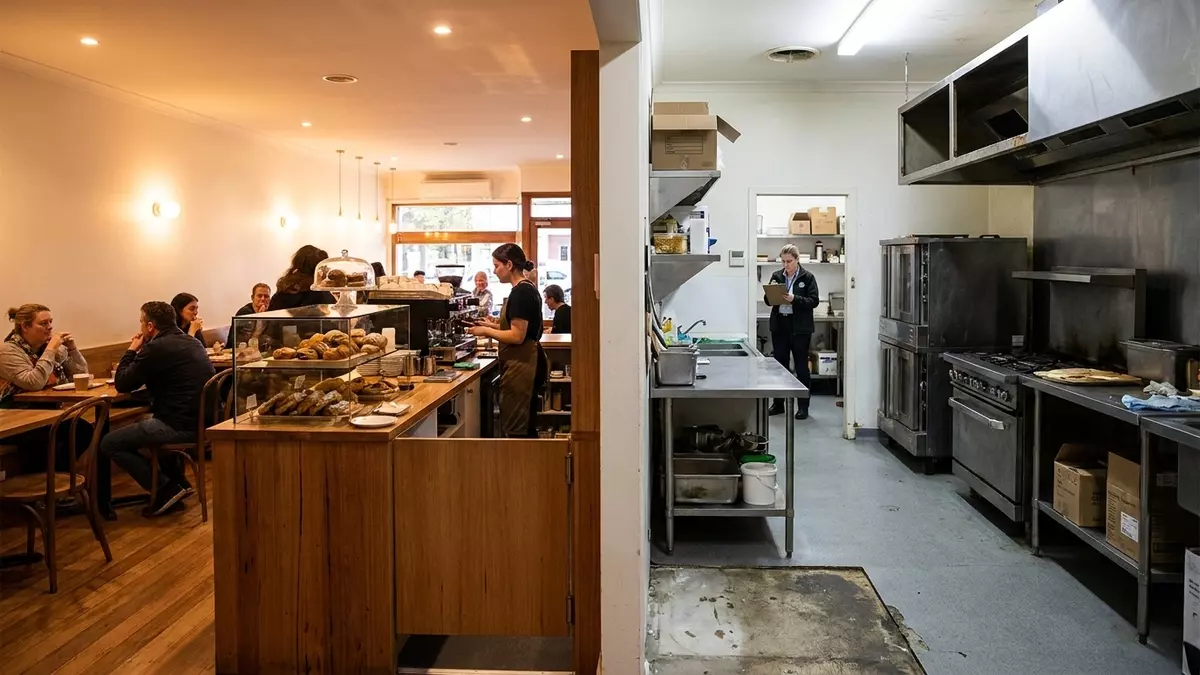
The Golden Rose, a family-owned cafe located at 8 High Street in Newhaven, East Sussex, recently received a zero out of five rating—the lowest possible score—from the Food Standards Agency (FSA) following an evaluation on November 13, 2025. This troubling designation has sparked a broader conversation regarding public health, consumer transparency, and how much diners truly know about the backend operations of their favorite eating spots. While a low score can deal a devastating blow to a small business, it serves as a vital reminder of why regulatory standards must remain uncompromised.
Why a Zero Food Hygiene Rating Matters More Than You Think

Deconstructing the Food Standards Agency Rating System
The food hygiene scoring framework utilized by the Food Standards Agency ranges from five down to zero. While a score of five denotes immaculate, industry-leading standards, a zero rating indicates that urgent operational improvement is required immediately.
It is important to recognize that these ratings do not evaluate the taste of the food, the artistry of the latte decor, or the friendliness of customer service. Instead, they provide a strict, objective snapshot of how the establishment handles public health safety. The FSA assesses three core operational categories during an unannounced inspection:
Hygienic Food Handling: How food is prepared, cooked, re-heated, cooled, and stored on-site.
Cleanliness and Condition of Facilities: The structural layout, lighting, hand-washing amenities, pest control measures, and ventilation of the building.
Food Safety Management: The administrative checks, staff training logs, and systematic protocols in place to ensure that food served to the public is inherently safe.

For The Golden Rose, official public listings noted that “major improvement necessary” was observed across all three of these structural categories. A clean front-of-house counter can easily mask serious backend vulnerabilities that patrons never witness, such as inadequate cooling temperatures, poor air circulation, or an absence of formal documentation.
Behind the Counter: The Story of The Golden Rose
To understand the full scope of the situation, one must look at the human element behind the business. The Golden Rose first opened its doors in August 2025. The establishment was founded by two brothers as a moving tribute to their late mother, Rosemary Jennings, who passed away in 2022. The cafe was built entirely around her enduring charitable philosophy that no individual in the community should ever have to go hungry.
According to the business owners, the failing hygiene rating was not born out of careless food handling or unsanitary culinary practices. Instead, they point to a series of inherited infrastructure flaws within the physical property they moved into.
At the exact time of the autumn 2025 inspection, the commercial space lacked a fully finished floor and was missing a critical kitchen extraction fan. The owners have since confirmed that the specialized flooring has been fully completed and they are actively waiting on the installation of the commercial ventilation unit. In the meantime, the cafe has managed to remain open to the public by limiting its menu exclusively to hot beverages and pre-prepared sweet pastries.
The True Cost of Building Repairs for Small Businesses
Operating a small, independent food service business carries thin profit margins, and unexpected facility upgrades can quickly become an overwhelming financial burden. To resolve the lingering structural issues flagged by the health inspectors, the owners of The Golden Rose launched a community fundraiser.
The campaign set a financial target of £4,000 (equivalent to approximately $5,375 based on recent exchange rates hovering around $1.34 to £1). This capital is earmarked to repair inherited structural problems, including faulty electrical wiring and latent water damage.
| Expense Category | Business Impact | Public Health View |
| Structural Repairs | Heavy financial lift for independent startups | Necessary to eliminate mold, pests, and bacteria vectors |
| Ventilation & Airflow | High equipment and installation costs | Essential for grease dispersal and temperature regulation |
| Administrative Protocols | Time-consuming log-keeping for small teams | Guarantees accountability and reliable cooling logs |
While the public is often sympathetic to the financial plights of independent, family-run startups, regulatory agencies cannot afford to grade on a curve. From a public safety perspective, the bacterial risks associated with improper food storage or poor ventilation remain identical whether a meal is prepared at a multinational fast-food franchise or a sentimental neighborhood coffee shop.
Why Public Health Ratings Should Be a Priority for Diners
Food safety standards can frequently feel like dry, bureaucratic paperwork until someone unexpectedly falls ill. According to health data from the Centers for Disease Control and Prevention (CDC), the symptoms of foodborne illness are physically punishing and can escalate rapidly. Standard indicators of food poisoning include:
Acute stomach cramps and abdominal pain
Persistent nausea and vomiting
Watery diarrhea
Mild to high fevers
While a healthy adult may recover from food poisoning within a few days, certain high-risk demographics face life-threatening complications. The CDC warns that adults aged 65 and older, infants and children under the age of 5, pregnant women, and individuals with compromised immune systems are highly susceptible to severe medical outcomes. Dangerous warning signs that require immediate emergency medical care include bloody diarrhea, a sustained fever exceeding 102°F, continuous vomiting that prevents fluid retention, and clear markers of severe dehydration.
How Consumers Can Protect Themselves When Eating Out
In England, while businesses are heavily encouraged to prominently display their colored FSA rating stickers on their front windows or doors, it is not currently a strict legal requirement to do so. This leaves the burden of awareness on the consumer.
To ensure peace of mind, proactively check the official online Food Standards Agency database before trying a new restaurant. Do not hesitate to ask managers directly about their most recent inspection dates. A zero rating is not a permanent death sentence for a business; the system is designed to provide an explicit blueprint for operational rehabilitation. The owners of The Golden Rose have already expressed intentions to formally request a paid re-inspection the moment their final kitchen extraction fan is safely installed, paving a clear path toward reclaiming public trust.
Conclusion
Ultimately, a food hygiene rating is the absolute foundation of consumer trust. Diners can easily remain deeply sympathetic to a family’s emotional journey and support a local business while simultaneously demanding a baseline of flawless sanitation. Both things can be true at once. When choosing where to spend your hard-earned money, keeping a close eye on public health records ensures that your quick morning coffee or family lunch remains a safe, enjoyable experience.
Frequently Asked Questions
Can a restaurant or cafe appeal a zero food hygiene rating?
Yes. If a business owner believes that the local authority inspector’s assessment was unjust or technically incorrect, they have a specific window of time to lodge a formal appeal. They can also submit a “right to reply,” which allows them to publish an official statement alongside their score on the public website explaining what mitigation steps are being taken to fix the issues.
How quickly can a business apply for a re-inspection to improve its score?
A business can request a re-inspection at any time after the initial evaluation, provided they have successfully remedied all the safety violations outlined in the inspector’s report. However, depending on the local council’s specific backlog and protocols, there may be a mandatory “standstill period” or a administrative fee associated with scheduling a new unannounced visit.
Does a zero rating mean that an establishment is actively serving spoiled food?
Not necessarily. A zero rating indicates a systemic failure in the overall food safety environment. An establishment can receive a failing grade solely for structural issues—such as cracked flooring that traps bacteria, a lack of hot water at hand-washing stations, or an absolute absence of temperature logbook tracking—even if the raw ingredients themselves are fresh.
What is the difference between food poisoning and a standard stomach bug?
While the physical symptoms—vomiting, fever, and diarrhea—can be identical, the root causes differ. Food poisoning is caused by consuming food contaminated with toxic bacteria, viruses, or parasites (such as Salmonella or E. coli). A stomach bug, or viral gastroenteritis, is typically a highly contagious infection passed directly from person to person through close physical contact.
Are businesses in the United States subject to similar rating systems?
Yes, though the formatting varies heavily by state and county. Many municipal health departments across the United States utilize a simplified “A, B, C” letter grade system that must be prominently displayed in the front window by law. Other jurisdictions rely on a numerical 100-point scale or a simple color-coded placard system (Green, Yellow, Red) to convey inspection results to passersby.