
Table of Contents
- 1. The Power of Positive Dietary Additions
- 2. How Fatty Fish Optimizes Your Blood Lipids
- 2.1. Mastering the Triglyceride Takedown
- 2.2. Navigating the Biological Cholesterol Blueprint
- 3. Expanding Beyond Salmon: The Case for Smaller Catch
- 3.1. Why Smaller Fish Packing a Bigger Punch
- 4. Embracing a Realistic Mediterranean Approach
- 4.1. Fresh vs. Smoked Seafood Options
- 5. Small, Sustained Dietary Adjustments
- 6. Frequently Asked Questions
- 6.1. Why are smaller fish like herring and sprat considered better options than salmon?
- 6.2. How many times a week should I eat fatty fish to help lower my cholesterol?
- 6.3. Does cooking fish at high heat destroy the heart-healthy omega-3 fatty acids?
- 6.4. Is canned fish just as healthy for my heart as fresh fish?
- 6.5. Can a Mediterranean diet still help my heart if I cannot find fresh sprat or herring?
Why You Should Skip Salmon for This Heart-Healthy Alternative
Receiving a high cholesterol diagnosis often feels like a strict sentence to a life of bland, uninspired meals. The immediate instinct for many is to look at a list of forbidden foods and start cutting everything out. However, leading nutritional experts suggest a much more welcoming and sustainable starting point. Instead of focusing entirely on what you need to eliminate, the secret to long-term cardiovascular health lies in what you actively add to your plate.
Shifting toward a heart-healthy lifestyle does not require an all-or-nothing approach or a flawless beachside diet. Instead, it is about embracing a flexible, Mediterranean-style eating pattern. A major pillar of this strategy is making nutrient-dense fatty fish a routine part of your weekly grocery runs.
While salmon typically dominates the conversation around seafood, expanding your horizon to include smaller, traditional fatty fish like herring, halibut, and sprat can unlock superior nutritional benefits. Let’s dive into why shifting your seafood strategy is a game-changer for your cholesterol, your blood vessels, and your overall longevity.
Why You Should Skip Salmon for This Heart-Healthy Alternative
The Power of Positive Dietary Additions
When dealing with a waxy substance like cholesterol building up inside the circulatory system, people naturally feel anxious. “No one likes prohibition—that is a universal truth,” notes clinical dietitian Monika Stromkie-Złomaniec. Building a lifestyle around a vibrant shopping list is infinitely easier than trying to survive on a strict list of punishments.
This dietary shift is increasingly vital for the general public. According to statistical data from the Centers for Disease Control and Prevention (CDC), roughly 86 million U.S. adults live with borderline or high total cholesterol levels. Because high cholesterol rarely presents obvious symptoms in its early stages, establishing proactive, daily eating habits is the most reliable defense against cardiovascular complications.

How Fatty Fish Optimizes Your Blood Lipids
Fatty fish are prized by health professionals because they serve as a premier, clean source of long-chain omega-3 fatty acids. These polyunsaturated fats do much more than simply act as a low-calorie replacement for saturated-fat-heavy red meats; they actively alter your blood chemistry for the better.
Mastering the Triglyceride Takedown
The most dramatic and measurable impact of consuming omega-3 fatty acids is seen in your triglyceride levels—a specific type of fat circulating in your bloodstream.
According to data compiled by the National Institutes of Health (NIH) Office of Dietary Supplements, every single additional gram of long-chain omega-3s consumed per day correlates with a notable drop of roughly six lab-measurement points in blood triglycerides. This natural, corrective effect is even more pronounced in individuals whose baseline levels are already flagged as high.

[ High-Saturated Fat Diet ] ---> Raises Harmful LDL ---> Increases Vascular Risk
                                       VS.
[ Omega-3 Fatty Fish Diet ] ---> Lowers Triglycerides ---> Protects Heart Health
Navigating the Biological Cholesterol Blueprint
To understand why swapping your protein source matters, it helps to review how different lipids function inside your body:
LDL (Low-Density Lipoprotein): Frequently dubbed the “bad” cholesterol, high levels of LDL can lead to plaque accumulation in your arteries, narrowing blood pathways and elevating the risk of stroke or cardiac events.
HDL (High-Density Lipoprotein): Known as the “good” cholesterol, HDL acts as a natural vacuum cleaner, gathering excess cholesterol from the bloodstream and transporting it back to the liver, where it can be safely broken down and cleared.
Triglycerides: High levels of this blood lipid often signal an overall dietary pattern that needs refinement, particularly when paired with elevated LDL or abnormally low HDL levels.
By consistently introducing fatty fish into your menu, you displace foods rich in saturated fats—the primary culprit that drives harmful LDL numbers upward.
Expanding Beyond Salmon: The Case for Smaller Catch
Salmon is undeniably an excellent, widely available source of omega-3s, making it a familiar and reliable starting point for many shoppers. However, limiting your seafood intake strictly to salmon fillets means missing out on incredible health advantages offered by smaller, often overlooked fish like herring and sprat.
Why Smaller Fish Packing a Bigger Punch
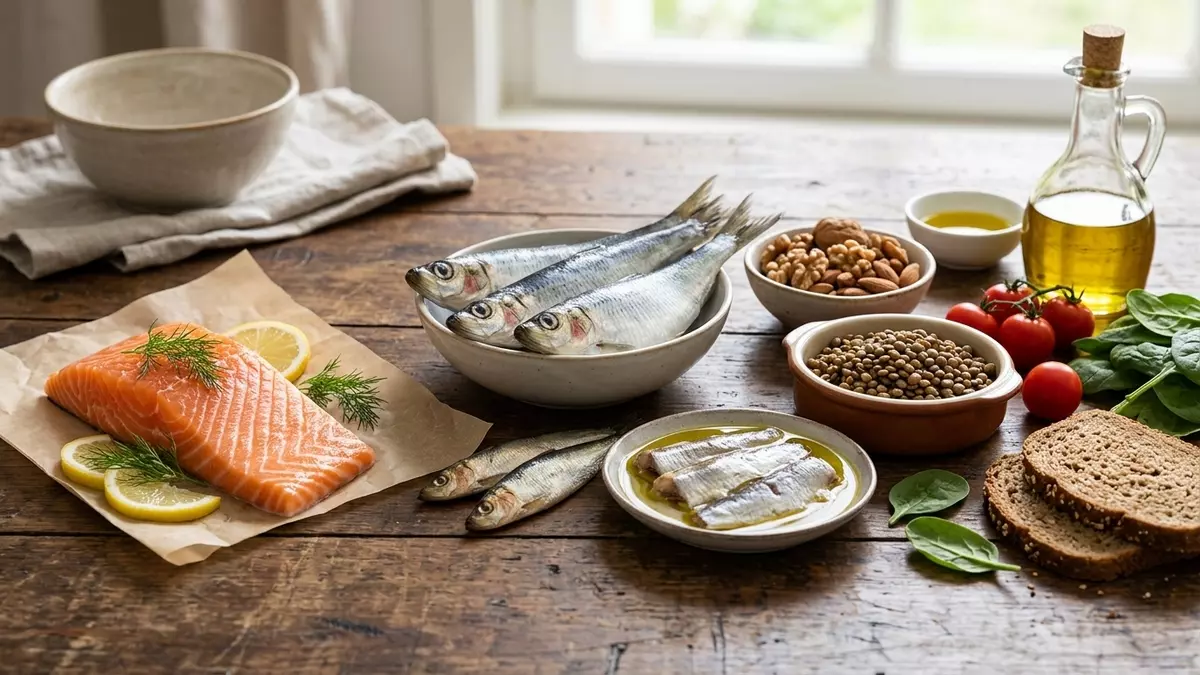
Smaller fatty fish are biological powerhouses. Because they sit lower on the marine food chain, species like herring and sprat accumulate significantly lower levels of environmental heavy metals, such as mercury, compared to larger, longer-lived fish. Furthermore, these smaller varieties are incredibly nutrient-dense, delivering massive amounts of heart-protective oils, vitamin D, and essential minerals in every serving.
| Fish Variety | Primary Health Benefit | Availability & Sourcing | Best Culinary Use |
| Salmon | Widely accessible; rich in clean omega-3s. | Fresh or frozen at all supermarkets. | Grilled, baked, or pan-sear. |
| Herring | Exceptionally low in mercury; heavy triglyceride reducer. | Fresh, canned, or lightly smoked. | Open-faced sandwiches or salads. |
| Halibut | High-quality lean protein; pairs well with heart-healthy oils. | Seafood counters and frozen sections. | Roasted with herbs and olive oil. |
| Sprat | Packed with calcium and zinc; highly sustainable. | Typically found canned or specialized markets. | Tossed with whole-grain pasta. |
Embracing a Realistic Mediterranean Approach
Many home cooks shy away from a Mediterranean diet because they harbor a common misconception: that they must eat fresh eggplants, summer squashes, and heirloom tomatoes every single day of the year.
True Mediterranean eating is not a rigid vacation script; it is a flexible dietary compass. At its core, this lifestyle simply means prioritizing whole vegetables, fiber-rich beans, lentils, whole grains, crunchy nuts, extra-virgin olive oil, and regular helpings of seafood. As organizations like Harvard Health point out, consistently adhering to this pattern is heavily linked to a decreased risk of heart disease, type 2 diabetes, metabolic syndrome, and physical frailty as we age.
Fresh vs. Smoked Seafood Options
To make this routine sustainable for busy modern lifestyles, look to both fresh and preserved fish options. Preparing a fresh piece of seafood after a demanding workday isn’t always realistic, but assembling a simple sandwich using canned or smoked herring takes minutes.
However, there is an important caveat for individuals managing high blood pressure (hypertension): smoked and heavily preserved fish can carry a high sodium load. If you are actively monitoring your salt intake to protect your arteries, prioritize fresh fish, choose low-sodium canned varieties, or stick to home-cooked salmon dishes where you control the seasoning.
Small, Sustained Dietary Adjustments
According to guidelines from the National Heart, Lung, and Blood Institute, the ultimate strategy for optimizing your lipid profile involves reducing saturated fat intake while introducing more soluble fiber and plant sterols into your daily routine. On a dinner plate, this scientific advice looks incredibly simple:
Start your mornings with a comforting bowl of oatmeal topped with walnuts.
Swap out a heavy beef dinner for a grilled salmon fillet or a side of herring paired with hearty, whole-grain bread.
Integrate more lentils, beans, and colorful vegetables into your weekly meal prep.
A single seafood meal will not instantly reverse months of old habits, but repeating these simple, nutrient-dense choices transforms them into second nature. By shifting your focus toward what you can add to your kitchen rather than what you must banish, you protect your heart through a pattern of normal, deeply satisfying eating.
Frequently Asked Questions
Why are smaller fish like herring and sprat considered better options than salmon?
While salmon is an excellent choice, smaller fish like herring and sprat offer distinct advantages. Because they have shorter lifespans and feed on plankton, they accumulate far fewer heavy metals and environmental toxins over time. They are also incredibly sustainable, highly affordable, and dense in vital nutrients.
How many times a week should I eat fatty fish to help lower my cholesterol?
To align with official guidance from the American Heart Association, aim to consume at least two servings of fatty fish per week. A standard serving size is roughly 3.5 ounces cooked, or about the size of a deck of cards.
Does cooking fish at high heat destroy the heart-healthy omega-3 fatty acids?
Gentle cooking methods like baking, broiling, grilling, or poaching preserve the integrity of the delicate omega-3 oils beautifully. However, deep-frying fish in heavy vegetable oils at extreme temperatures should be avoided, as it degrades the beneficial fats and introduces unwanted saturated and trans fats to the meal.
Is canned fish just as healthy for my heart as fresh fish?
Yes, canned seafood is an incredibly convenient, budget-friendly, and nutrient-dense option. When shopping for canned herring, sardines, or tuna, look for varieties packed in water or extra-virgin olive oil rather than processed soybean oil, and check the nutrition label to monitor the sodium content.
Can a Mediterranean diet still help my heart if I cannot find fresh sprat or herring?
Absolutely. The Mediterranean approach relies on an overall pattern of whole-food nutrition. If specific small fish are difficult to locate in your local area, you can easily fulfill your cardiovascular needs using widely available options like salmon, canned sardines, albacore tuna, walnuts, chia seeds, and flaxseeds.