
Table of Contents
- 1. Deconstructing the Food Hygiene Rating Scale
- 2. Inherited Structure Issues vs. Food Handling Practices
- 3. The Public Health Reality: Why Hygiene Scores Matter
- 3.1. Recognizing Severe Food Poisoning Warning Signs
- 3.2. Identifying High-Vulnerability Demographics
- 4. Consumer Empowerment: How to Protect Yourself When Eating Out
- 4.1. 1. Actively Check Digital Databases
- 4.2. 2. Practice Observational Vigilance
- 4.3. 3. Support Businesses Through Transparent Recovery
- 5. Conclusion: Balancing Empathy with Food Safety
- 6. Frequently Asked Questions
- 6.1. 1. Can a restaurant legally stay open after receiving a zero food hygiene rating?
- 6.2. 2. How long does a business have to wait before they can get a new hygiene rating?
- 6.3. 3. What is the difference between food hygiene and food quality?
- 6.4. 4. Why aren’t restaurants in England legally required to display their hygiene stickers?
- 6.5. 5. What should I do if I suspect a local cafe has poor hygiene standards?
What a Zero Food Hygiene Rating Really Means for High Street Diners
When you walk into a cozy, family-run neighborhood cafe, you are usually looking for a warm atmosphere, a fresh cup of coffee, and a welcoming smile. For most diners, the quality of a restaurant is judged by how the food tastes, how the staff treats them, and whether the front-of-house dining area looks tidy.
However, a recent public health inspection has highlighted a stark reminder of a question every restaurant consumer should consider: How much do we actually know about what goes on behind the kitchen counter?
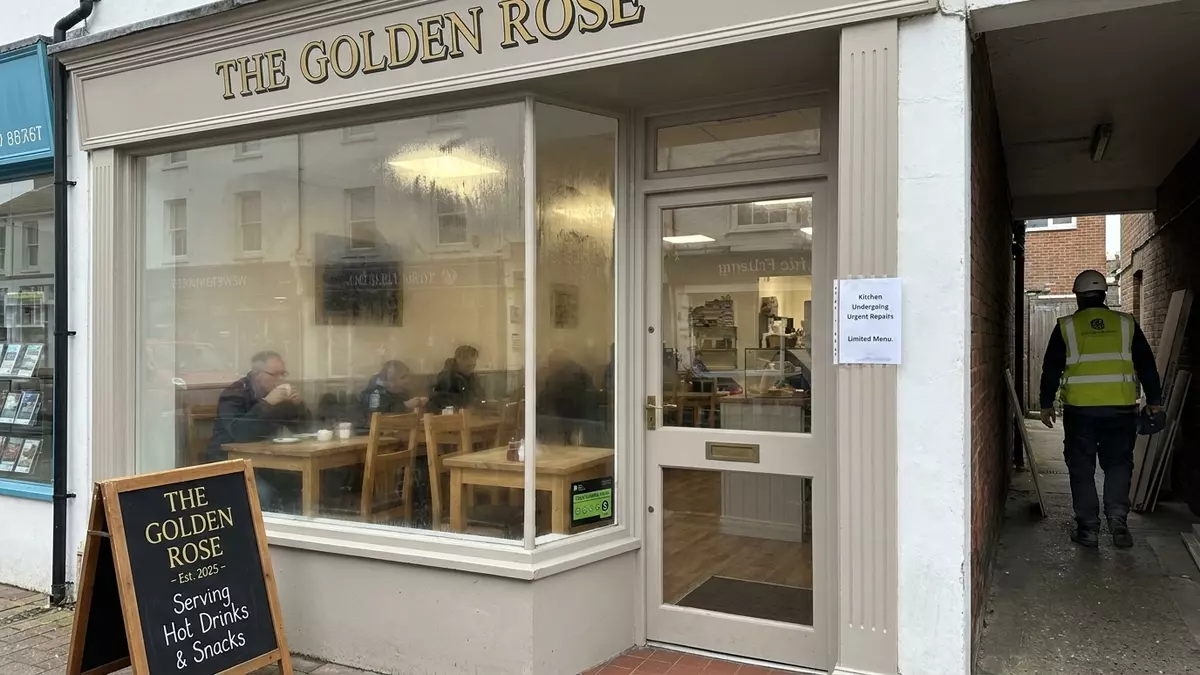
A popular new family-owned establishment, The Golden Rose, located at 8 High Street in Newhaven, East Sussex, recently made local headlines after receiving a zero out of five—the lowest possible score—on its food hygiene inspection. While the business carries a deeply personal story and serves as a tribute to the owners’ late mother, the official rating from the UK Food Standards Agency (FSA) has sparked important conversations regarding community wellness, commercial kitchen maintenance, and the invisible standards of public dining safety.


What a Zero Food Hygiene Rating Really Means for High Street Diners
Deconstructing the Food Hygiene Rating Scale
A zero food hygiene rating is never a reflection of a cafe’s menu creativity, portion sizes, or customer service. Instead, it is a strictly objective, science-based snapshot of the health and safety protocols active within the establishment at the exact moment of the inspection.
The Food Standards Agency’s scoring tier ranges from a perfect five down to a zero, which officially carries the status of “urgent improvement is required.”

[5] Very Good ──► [4] Good ──► [3] Generally Satisfactory ──► [2] Improvement Necessary ──► [1] Major Improvement Necessary ──► [0] Urgent Improvement Required
According to official compliance documentation, environmental health inspectors evaluate three core operational parameters during an on-site audit:
Hygienic Food Handling: How food is prepared, cooked, re-heated, cooled, and stored safely to prevent cross-contamination.
Physical Condition of the Building: The overall cleanliness, layout, lighting, ventilation, pest-proofing, hand-washing facilities, and structural integrity of the premises.
Food Safety Management: The presence of documented daily logs, structural temperature checks, trace-back records, and proof that the staff is thoroughly trained in food safety processes.

In the case of the November 13, 2025 inspection at The Golden Rose, auditors marked the business as requiring “major improvement necessary” across all three critical pillars, triggering the mandatory zero-grade warning.
Inherited Structure Issues vs. Food Handling Practices
Every small business story has nuances, and the owners of the High Street cafe have been transparent about the logistical hurdles they faced after launching in August 2025. Founded by two brothers to honor the memory of their mother, Rosemary Jennings, who passed away in 2022, the cafe was built upon her foundational life philosophy that “no one should ever go hungry.”
The proprietors have publicly clarified that the failing grade was not a result of toxic food handling or contaminated ingredients, but was driven primarily by inherited structural defects within the historical commercial property they took over. At the time the health inspector walked through the door, the kitchen featured unfinished subflooring and completely lacked a commercial kitchen air extraction fan.
While the flooring issues have since been professionally resolved, the business remains open while waiting for the specialized extraction ventilation system to be delivered and installed. To help offset the compounding financial strain of these structural demands—which include faulty electrical wiring and latent water damage—the family launched a local crowdfunding campaign with a target of £4,000 (approximately $5,375) to help bring the physical building up to code.
The Public Health Reality: Why Hygiene Scores Matter
While community patrons may feel immense empathy for a struggling independent business trying to survive high repair bills, public health organizations cannot grant compliance exceptions based on a business’s backstory. From an epidemiological standpoint, a compromised kitchen infrastructure creates an open door for foodborne illnesses.
According to data compiled by the Centers for Disease Control and Prevention (CDC), food poisoning is a severe public health issue that goes far beyond simple stomach upset. Common symptoms of foodborne pathogens include acute diarrhea, severe abdominal cramps, persistent nausea, vomiting, and high fevers.
Recognizing Severe Food Poisoning Warning Signs
Diners should seek immediate medical attention if they experience any of the following high-risk red flags:
Bloody stools or bloody diarrhea.
Diarrhea that persists for more than three consecutive days without improvement.
A high fever registering over 102°F (38.9°C).
Intractable vomiting that prevents the retention of liquids, leading to dehydration.
Severe dehydration symptoms, including extreme thirst, dry mouth, little to no urination, or acute dizziness.
Identifying High-Vulnerability Demographics
While a healthy adult may recover from food poisoning within a couple of days, certain vulnerable populations face a significantly elevated risk of developing life-threatening complications from contaminated food or drink:
Older Adults: Individuals aged 65 and above possess immune systems that struggle to recognize and eliminate harmful foodborne pathogens.
Young Children: Toddlers and infants under the age of 5 have developing immune systems, and their small body mass makes them highly susceptible to rapid, severe dehydration.
Pregnant Individuals: Pregnancy alters the immune system, making the body more vulnerable to specific foodborne infections, like Listeria, which can severely impact both the parent and fetus.
Immunocompromised Individuals: Anyone battling underlying chronic illnesses, undergoing chemotherapy, or taking immunosuppressive medications lacks the biological defenses to fight off aggressive bacterial strains.
Consumer Empowerment: How to Protect Yourself When Eating Out
Because restaurant operations take place behind a wall or counter, diners must learn to utilize publicly available data to make informed decisions about where they choose to spend their money and feed their families.
1. Actively Check Digital Databases
In England, while restaurants are heavily encouraged to display their green-and-black FSA rating stickers directly on their front windows or entrance doors, it is not currently a strict legal requirement to do so. This means a business with a low or failing grade can simply choose not to display their sticker. To counter this, consumers should routinely search the official Food Standards Agency online database before booking a table or ordering takeout.
2. Practice Observational Vigilance
While you cannot see into the back storage freezers, the front-of-house area can offer valuable clues. Look for clean, operational hand-washing stations with hot water, soap, and paper towels. Pay attention to whether staff members use proper utensils rather than bare hands when handling ready-to-eat pastries or garnishes, and observe whether hot holding displays look appropriately heated.
3. Support Businesses Through Transparent Recovery
A poor hygiene rating does not have to be a permanent death sentence for a local business. The system is intentionally designed to give establishments a clear roadmap for redemption. The owners of The Golden Rose have adjusted their temporary operations to sell only hot beverages and pre-packaged sweets while they await their final ventilation installation. Once the physical building repairs are fully complete, they intend to formally pay for and request a official health re-inspection to earn back a high safety score.
Conclusion: Balancing Empathy with Food Safety
The journey of a small, family-owned cafe trying to establish a legacy on the high street is undeniably challenging, especially when confronted with unforeseen building expenses. However, public health standards must remain completely unyielding, whether a kitchen belongs to a massive international fast-food corporation or a beloved local mom-and-pop shop. Ultimately, a food hygiene score is an invaluable tool for building consumer trust. Diners can absolutely offer their emotional and financial support to a neighborhood startup while still demanding a completely safe, sanitary environment for the food they consume.
Frequently Asked Questions
1. Can a restaurant legally stay open after receiving a zero food hygiene rating?
Yes. A zero rating indicates that urgent improvements are required regarding infrastructure, paperwork, or minor practices, but it does not automatically mean the restaurant is an immediate danger to the public. If an inspector discovers an imminent threat to human health—such as a severe active pest infestation, a total lack of running water, or a massive sewage backup—they will issue an Emergency Prohibition Notice to shut the business down immediately until the hazard is cleared.
2. How long does a business have to wait before they can get a new hygiene rating?
Once a restaurant addresses all the violations outlined in their official inspection report, they can formally apply and pay for a re-inspection. Depending on the local council’s schedule, an inspector will typically revisit the property unannounced within three months of the request to evaluate the changes and issue an updated score.
3. What is the difference between food hygiene and food quality?
Food hygiene ratings focus entirely on safety, sanitation, and the prevention of foodborne illness. They do not evaluate the culinary skill of the chef, the taste or presentation of the dishes, the price point of the menu, or the overall design aesthetic of the dining room. A restaurant can serve world-class, delicious food while still maintaining a failing hygiene grade behind the scenes.
4. Why aren’t restaurants in England legally required to display their hygiene stickers?
While displaying hygiene stickers has been legally mandatory in Wales and Northern Ireland for years, England has historically operated on a voluntary display system. While consumer safety advocacy groups continue to lobby for a mandatory display law in England, consumers currently must rely on checking online government portals to find scores for businesses that hide low-grade stickers.
5. What should I do if I suspect a local cafe has poor hygiene standards?
If you witness unsafe food handling practices, notice visible pest activity, or experience food poisoning symptoms after eating at a commercial venue, you should report the business directly to your local council’s Environmental Health department. They will review the complaint and dispatch an authorized health inspector to investigate the premises if necessary.