
Table of Contents
- 1. 1. Moisture-Locking Straw Mulch
- 1.1. Superior Water Retention
- 1.2. Natural Weed Suppression
- 2. 2. A Carbon-Rich Energy Source for Compost
- 3. 3. High-Yield Straw Bale Gardening
- 4. 4. A Protective Blanket for Young Seedlings
- 5. 5. Cozy Bedding for Healthy Backyard Chickens
- 6. 6. Insulated Straw Bale Cold Frames
- 7. 7. Natural Splash Barrier for Disease Control
- 8. 8. Clean and Mud-Free Garden Pathways
- 9. 9. Space-Saving Wire and Straw Potato Towers
- 10. 10. Homegrown Mushrooms in Straw Substrate
- 11. What to Keep in Mind Before Buying Straw
- 11.1. Straw vs. Hay
- 11.2. Watch Out for Persistent Herbicides
- 11.3. Storage and Weathering
- 12. Frequently Asked Questions
- 12.1. Will using straw mulch attract mice or snakes to my garden?
- 12.2. How thick should my straw mulch layer be?
- 12.3. Can I use straw in a no-dig or lasagna gardening setup?
- 12.4. Does straw temporarily deplete nitrogen from the soil?
- 12.5. How long does a typical straw bale garden last?
11 Straw Gardening Hacks for Better Yields This Season
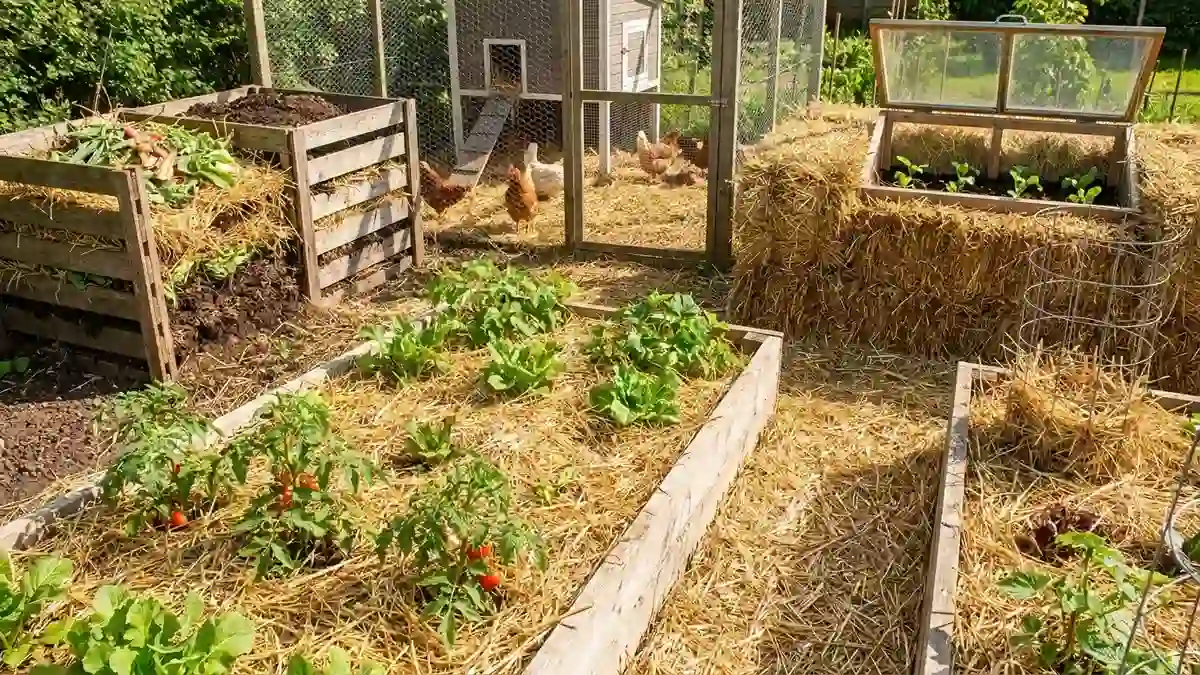
If you have ever passed by a stacked bale of straw at a local farm supply store and assumed it was strictly reserved for livestock bedding or autumn front-porch decorations, you are missing out on one of nature’s most versatile garden assets. For many growers, making the switch to integrating straw into their daily routine completely transforms their backyard success. This humble, budget-friendly agricultural byproduct is an absolute powerhouse for suppressing invasive weeds, boosting tomato production, and turbocharging the nutrient density of backyard compost.
Straw is lightweight, highly affordable, and incredibly straightforward to use. Whether you are nurturing delicate spring seedlings, managing a backyard chicken coop, or looking for ways to maximize a small-scale potato harvest, straw can dramatically reduce your physical labor. If you want to elevate your sustainable gardening game, here are eleven innovative ways to put a basic bale of straw to work in your garden right now.
11 Straw Gardening Hacks for Better Yields This Season
1. Moisture-Locking Straw Mulch
Deploying a thick layer of straw mulch across your vegetable beds is one of the easiest ways to cultivate thriving, resilient plants. While it offers a clean, rustic aesthetic, its real value lies in its heavy-duty performance beneath the surface.
Superior Water Retention
By acting as a protective shield over the soil, straw traps vital moisture during intense summer heatwaves. This dramatically reduces evaporation rates, meaning you will spend significantly less time hauling hoses or running irrigation systems. The physical barrier keeps the root zone insulated and cool, protecting your crops from heat-induced stress.
Natural Weed Suppression
Straw functions as a highly effective, chemical-free weed barrier. By completely blocking out sunlight, it prevents dormant weed seeds from germinating. The occasional stubborn weed that does manage to push through the fibers will have a weak, shallow root system, allowing you to easily pluck it from the ground without any heavy tools.
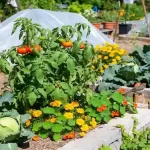
Pro Tip: Straw mulch keeps low-hanging fruits like strawberries, melons, and squash raised off the damp earth. This simple elevation prevents ground rot, keeps soil pests away, and ensures a cleaner harvest. Just remember to leave a two-inch gap around the main stems of your plants to maintain proper airflow and prevent fungal crown rot.
2. A Carbon-Rich Energy Source for Compost
Achieving the perfect backyard compost requires a careful balance of nitrogen-rich “green” materials (such as kitchen scraps, fresh grass clippings, and spent coffee grounds) and carbon-rich “brown” materials. Straw is one of the finest structural browns available to home gardeners.
Adding regular layers of straw into your compost bin counteracts the heavy moisture of wet kitchen waste. This intentional layering keeps your pile from compacting into a dense, oxygen-deprived, foul-smelling mess. Instead, it creates an inviting environment for beneficial microbes and earthworms.
Furthermore, the rigid, hollow tubes of straw create tiny pockets of oxygen throughout the pile. This structural aeration maintains a healthy aerobic decomposition process, which accelerates breakdown times, eliminates unpleasant odors, and minimizes the amount of physical turning your compost pile requires.
3. High-Yield Straw Bale Gardening
Straw bale gardening is an ingenious form of container planting that transforms a standard bale into a self-contained, self-feeding raised bed. This method is an excellent alternative for anyone dealing with poor native soil, contaminated ground, or rocky terrain.
[ Condition Bale with Water & Nitrogen (2 Weeks) ]
                       │
                       ▼
[ Core Decomposes & Generates Internal Warmth ]
                       │
                       ▼
[ Plant Seedlings Directly into the Straw Top ]
The process begins by conditioning the bale with water and high-nitrogen fertilizer for roughly two weeks to kickstart internal decomposition. Once the interior begins to break down, it generates internal heat and creates a nutrient-rich environment for plant roots.
Vegetables like tomatoes, peppers, squash, and leafy greens thrive in this setup. Because you are planting entirely above the ground, there is no tilling, digging, or heavy weeding required. At the end of the growing season, the heavily decomposed bale can be thrown directly into your compost pile or tilled into other garden plots as a rich soil conditioner.
4. A Protective Blanket for Young Seedlings
Transplanting tender, young seedlings into the open garden can be a stressful period for delicate root systems. Spreading a light, fluffy layer of straw around these vulnerable plants acts as a breathable insulation blanket.
This protective layer keeps the immediate soil surface consistently moist, preventing the top crust from drying out and cracking under intense sun or wind. It also protects tiny seedlings from being choked out by fast-growing weeds that compete for light and nutrients. As the straw slowly degrades over the season, it gently incorporates organic matter back into the topsoil, improving overall soil structure naturally.
5. Cozy Bedding for Healthy Backyard Chickens
For those blending gardening with backyard poultry, straw is a fundamental asset for maintaining a clean, sanitary coop environment. It serves as a highly absorbent, comfortable bedding material for both the coop floor and individual nesting boxes.
Moisture and Odor Control: Straw manages flock droppings by absorbing excess moisture, which keeps ammonia odors at bay.
Thermal Insulation: The hollow shafts trap air, providing excellent insulation to keep chickens warm during freezing winter nights.
Egg Protection: It offers a soft, springy cushion in nesting boxes, drastically reducing the risk of cracked or soiled eggs.
When it is time to clean out the coop, the nitrogen-dense mixture of chicken manure and straw can be added directly to your compost pile, creating an incredibly potent fertilizer for future gardening seasons.
6. Insulated Straw Bale Cold Frames
You do not need an expensive, commercial greenhouse to extend your growing season into the frosty winter months. By arranging a few tightly packed straw bales into a rectangular perimeter and topping them with an old glass window pane or clear acrylic sheet, you can build a highly effective cold frame.
The thick, dense walls of the straw bales provide incredible insulation, trapping the earth’s natural residual heat while acting as a windbreak against freezing gusts. This microclimate allows you to cultivate and harvest cold-hardy greens like spinach, kale, and winter lettuces long after the first hard frost of the autumn season.
7. Natural Splash Barrier for Disease Control
Many devastating plant diseases, particularly fungal issues like early blight in tomatoes and peppers, are soil-borne pathogens. When heavy rain drops or overhead irrigation water hits bare earth, it splashes infected soil particles up onto the lower leaves of your crops.
[ Rain / Irrigation ] ──> Hits Bare Soil ──> Pathogens Splash Onto Leaves ──> Disease/Blight
[ Rain / Irrigation ] ──> Hits Straw Mulch ─> Water Absorbed Safely ───────> Clean, Healthy Leaves
An intentional layer of straw mulch completely breaks this cycle of infection. It acts as a physical shock absorber, allowing water to gently seep through to the roots while keeping the soil safely on the ground. By preventing muddy splash-back, your vegetable foliage stays clean, dry, and remarkably disease-free all season long.
8. Clean and Mud-Free Garden Pathways
Designing straw paths between your raised beds adds incredible rustic charm to your landscape layout while solving several practical maintenance headaches.
Weed Mitigation: Heavy foot traffic combined with a thick layer of straw creates an inhospitable environment for weeds along walkways.
All-Weather Traction: Straw transforms muddy, slippery paths into dry, stable walkways, allowing you to access your garden comfortably right after a heavy downpour.
Soil Protection: It prevents the soil in your walking lanes from becoming overly compacted, which helps protect the root zones of adjacent plants.
9. Space-Saving Wire and Straw Potato Towers
If you are dealing with limited square footage or urban garden spaces, a straw-lined potato tower allows you to grow massive amounts of tubers vertically rather than horizontally.
Using a cylinder of simple wire fencing, you line the interior walls with a thick layer of straw to hold in the soil while allowing exceptional drainage and oxygen flow. As you layer compost and seed potatoes upward inside the cylinder, the exterior straw wall keeps the developing potatoes completely shielded from direct sunlight, preventing them from turning green and bitter. When harvest time arrives, you simply unwrap the wire cylinder and pick your clean spuds directly off the ground.
10. Homegrown Mushrooms in Straw Substrate
Straw is an exceptional, nutrient-dense growing medium for cultivating gourmet mushrooms at home, especially fast-growing varieties like oyster and wine cap mushrooms.
The process involves pasteurizing chopped straw in hot water to eliminate competing wild molds, mixing it with mushroom spawn, and packing the mixture tightly into breathable plastic growing bags. Kept in a cool, dark, humid space, the mushroom mycelium rapidly colonizes the straw. Within weeks, gourmet mushroom clusters will begin bursting through the sides of the bag, providing a high-yield harvest in an incredibly compact footprint.
What to Keep in Mind Before Buying Straw
While straw is an incredible tool for organic gardening, there are a few critical distinctions every grower must understand before rushing out to buy a bale.
Straw vs. Hay
Never confuse straw with hay. Straw consists of the dry, hollow leftover stalks of grain crops (like wheat, oats, or barley) after the seed heads have been harvested; it contains virtually no seeds. Hay, on the other hand, is made from dried grasses and alfalfa harvested with the seed heads intact. Spreading hay in your garden will inadvertently plant millions of aggressive grass seeds directly into your growing beds.
Watch Out for Persistent Herbicides
Some commercial grain farmers use persistent herbicides that can cling to straw fibers for months or even years. If you introduce sprayed straw into your garden, these chemical residues can leach into your soil, causing severe stunting or death to sensitive crops like tomatoes, peas, and beans. Always ask your supplier if the straw was harvested from untreated fields, or purchase certified organic bales.
Storage and Weathering
Always store your unused bales in a dry, elevated space. If straw gets wet while tightly packed, it will quickly develop mold and attract unwanted pests. If you have the luxury of time, let your loose straw weather outdoors for a week or two before applying it directly to delicate garden beds; a little exposure to the elements softens the rigid fibers, making it significantly easier to spread.
Frequently Asked Questions
Will using straw mulch attract mice or snakes to my garden?
While a thick layer of straw can provide temporary cover for small critters, keeping your garden clear of debris and maintaining proper spacing around plant bases minimizes this risk. Snakes are generally drawn to areas with active rodent populations, so managing pests naturally keeps them away.
How thick should my straw mulch layer be?
For optimal weed suppression and moisture retention in vegetable beds, aim for a layer between 2 to 4 inches thick. Avoid going much thicker, as overly dense layers can restrict proper oxygen exchange with the soil.
Can I use straw in a no-dig or lasagna gardening setup?
Yes. Straw is an exceptional ingredient for sheet mulching or lasagna gardening. Its high carbon content and airy structure make it a perfect alternating layer alongside green materials like compost and manure.
Does straw temporarily deplete nitrogen from the soil?
Straw only ties up a small amount of nitrogen at the exact point where it touches the soil surface as it begins to decay. Because it breaks down slowly on top of the ground, it will not starve your plant roots of nitrogen. If you dig raw straw directly into the soil, you can offset any potential nitrogen drawdown by throwing in a handful of organic nitrogen fertilizer.
How long does a typical straw bale garden last?
A standard straw bale garden will easily last for a full growing season, typically around 5 to 6 months. By late autumn, the bale will be heavily decomposed, structural integrity will decline, and it will be ready to transition into your compost pile or serve as a rich top-dressing for your traditional soil beds.