
Table of Contents
- 1. 1. Locking In Moisture and Stopping Weed Growth
- 2. 2. A Carbon-Rich Energy Booster for Your Compost Pile
- 3. 3. Building an Instant Straw Bale Garden
- 4. 4. Providing a Gentle Buffer for Young Seedlings
- 5. 5. Keeping Coops Clean and Creating Garden Gold
- 6. 6. Constructing a Straw Bale Cold Frame
- 7. 7. Natural Foliar Disease Suppression
- 8. 8. Creating Beautiful, Mud-Free Garden Pathways
- 9. 9. Maximizing Space with a Vertical Potato Tower
- 10. 10. Cultivating Gourmet Mushrooms in Straw Bags
- 11. 11. Insulating Perennials and Protecting Bulbs
- 12. Crucial Tips Checklist for Sourcing and Storing Straw
- 13. Conclusion
- 14. Frequently Asked Questions
11 Unexpected Ways to Use Straw for a High-Yield Garden
Many backyard growers view a bale of straw as nothing more than livestock bedding or a rustic autumn front-porch decoration. For years, the general consensus has been that straw’s only real place in a vegetable plot is acting as a basic ground cover. However, once you explore the true potential of this highly sustainable, affordable, and versatile agricultural byproduct, it can completely transform the way you manage your outdoor spaces.
From creating instant raised beds and cultivating gourmet mushrooms to extending your growing season deep into the winter months, straw is a certified garden workhorse. It is lightweight, exceptionally easy to work with, and incredibly cost-effective. Whether you are dealing with a sprawling rural homestead or a tight urban plot, incorporating straw into your regular care routine can save you time, reduce labor, and significantly boost your harvest.
11 Unexpected Ways to Use Straw for a High-Yield Garden
1. Locking In Moisture and Stopping Weed Growth
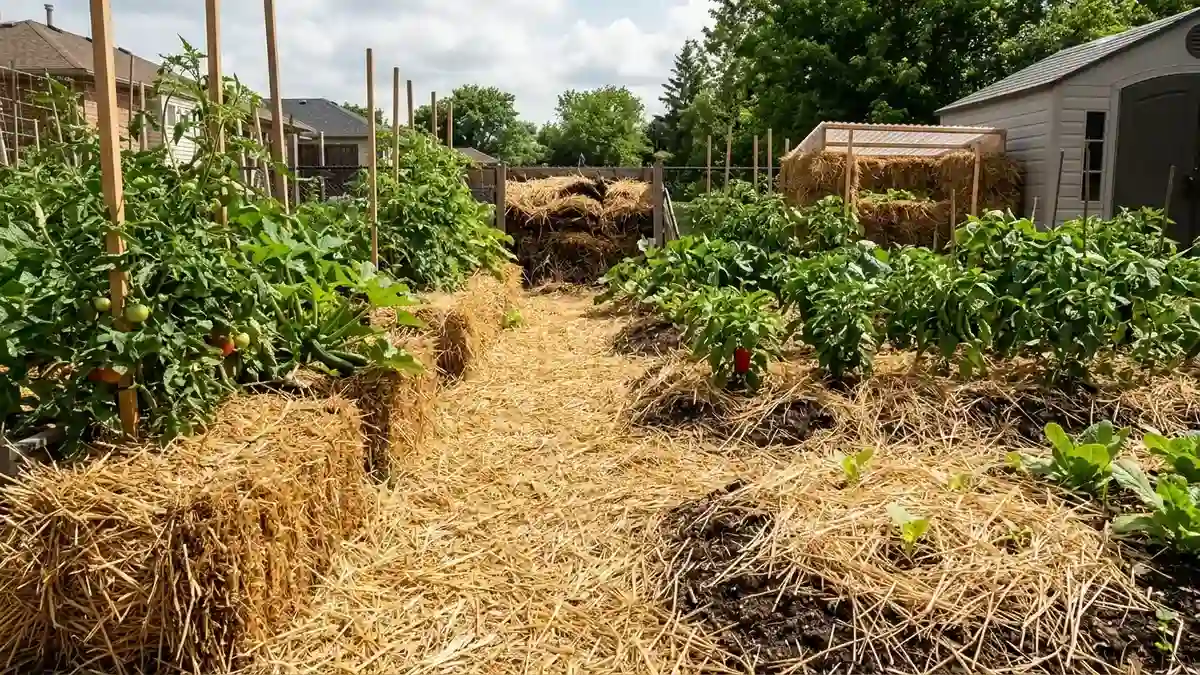
While straw is an elite mulching material, the sheer scale of its benefits is hard to overstate. Laying down a generous, three-to-four-inch blanket of straw across your vegetable beds creates a powerful insulating shield between the harsh summer sun and the earth. This barrier dramatically slows down water evaporation, meaning you can cut your irrigation schedule in half and conserve precious water during dry spells.
Simultaneously, straw acts as a highly efficient, non-toxic weed blocker. By completely denying sunlight to dormant weed seeds in the soil, it prevents them from germinating. The few aggressive weeds that do manage to push through the loose fibers are left weak, spindly, and incredibly easy to pluck out by hand.
As an added bonus, a clean layer of straw keeps low-hanging fruits—such as strawberries, cucumbers, and trailing squash—completely off the damp bare ground. This simple elevation prevents soil-borne rot, reduces blemishes, and keeps your harvest clean.
Important Note: Always keep the straw an inch or two away from the main stems of your plants to prevent trapped moisture from causing crown rot, and opt for certified seed-free wheat or oat straw to avoid accidentally sprouting grain in your garden.
2. A Carbon-Rich Energy Booster for Your Compost Pile
Mastering the art of compost requires a careful balance between nitrogen-rich “green” materials (such as kitchen vegetable scraps, fresh grass clippings, and coffee grounds) and carbon-rich “brown” materials. Straw is one of the most effective, fast-acting sources of carbon available.
Tossing regular layers of straw into your compost bin balances out the dense moisture and high nitrogen of food waste. It stops the pile from compacting into a soggy, anaerobic, foul-smelling mess, creating instead a welcoming environment for beneficial earthworms and aerobic microbes.
Because hollow straw stalks are naturally rigid, they create thousands of microscopic air pockets throughout the heap. This excellent oxygenation accelerates the decomposition process, meaning you don’t have to turn the heavy pile nearly as often to achieve crumbly, nutrient-dense “black gold” for your crops.
3. Building an Instant Straw Bale Garden
If you struggle with poor native soil, aggressive root nematodes, or physical limitations that make digging difficult, straw bale gardening offers a brilliant alternative. This innovative technique turns an ordinary, self-contained bale of straw into a highly productive raised garden bed that slowly feeds your plants as it breaks down.
The conditioning process is simple: for roughly two weeks before planting, you thoroughly saturate the bales with water and a high-nitrogen organic fertilizer to kickstart internal decomposition. Once the inside of the bale warms up and starts breaking down, you can plant your seedlings directly into holes scooped out of the top of the straw.
As the interior breaks down, it generates gentle root warmth, drives intense microbial activity, and releases steady nutrition directly to the root zone. Heavy feeders like tomatoes, zucchini, peppers, and leafy greens absolutely thrive in this setup. At the end of the season, the completely decomposed remnants can be raked right into your traditional beds as an incredible soil conditioner.
4. Providing a Gentle Buffer for Young Seedlings
Transitioning tender, greenhouse-raised seedlings into the harsh outdoor environment can cause severe transplant shock. Tucking a fine, loose layer of fluffy straw around newly transplanted seedlings acts like a protective, breathable blanket.
This gentle buffer minimizes rapid changes in soil temperature, keeping the young roots cool during unexpected midday heat spikes and offering a touch of insulation during late spring cold snaps. Because it prevents the soil surface from drying out and cracking, delicate, shallow root systems can expand without resistance. It is an old-school gardening trick that ensures high survival rates for everything from fragile head lettuce to young beans.
5. Keeping Coops Clean and Creating Garden Gold
For those who pair gardening with backyard poultry, straw is an indispensable resource. It serves as an ultra-absorbent, insulating bedding material for chicken coops and nesting boxes.
Straw helps manage ammonia odors by absorbing moisture from droppings and keeps your birds comfortable by insulating sensitive feet from cold surfaces during the winter. In the nesting boxes, a thick, woven ring of straw provides a soft cushion that prevents freshly laid eggs from rolling, cracking, or getting coated in dirt.
When it is time to clean out the coop, the manure-soaked straw is prime material for a deep-liter composting system, eventually breaking down into an incredibly rich, nitrogen-heavy fertilizer for your orchard and vegetable patches.
6. Constructing a Straw Bale Cold Frame
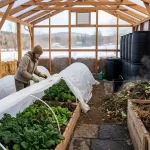
You don’t need an expensive glass greenhouse to harvest fresh salad greens in the dead of winter. By arranging four tightly packed bales of straw into a rectangular box, you create thick, heavily insulated walls that block freezing winds and hold in the earth’s residual warmth.
Simply place your cold-hardy crops—like kale, spinach, or winter claytonia—inside the center of the straw perimeter, then top the structure with a salvaged glass window pane or a sheet of clear acrylic. This creates a highly effective, breathable mini-greenhouse. When spring arrives and the cold frame is no longer needed, the weathered walls can be dismantled and reused immediately around the yard as mulch or compost filler.
7. Natural Foliar Disease Suppression
Many devastating fungal plant diseases, such as early blight on tomatoes or leaf spot on peppers, don’t drop from the sky—they live right in the dirt. When overhead watering or heavy downpours hit bare soil, the water droplets splash dirt particles upward, transferring destructive fungal spores directly onto the lower leaves of your crops.
A two-inch layer of straw acts as a physical shock absorber. It completely breaks the impact of falling water, stopping soil splash entirely. The ground stays put, the leaves stay clean and dry, and your plants remain significantly healthier throughout the humid summer months without the need for chemical fungicides.
8. Creating Beautiful, Mud-Free Garden Pathways
Straw paths are highly functional, comfortable, and add a beautiful cottage-style charm to any landscape. Spreading a thick layer of straw in the walking lanes between your raised beds solves several structural issues at once.
First, it smothers weeds in your high-traffic areas, eliminating the need to hoe or weed paths. Second, it turns slippery, muddy low spots into dry, springy, walkable lanes immediately following a heavy rainstorm. Finally, it helps retain moisture along the edges of your growing zones, ensuring that the roots of your primary crops don’t dry out from exposed border soil.
9. Maximizing Space with a Vertical Potato Tower
If you are dealing with a compact yard or an urban patio but still want to grow an abundance of root crops, a straw-lined potato tower is a game-changer. Built using a cylinder of basic wire fencing, this structure allows you to cultivate pounds of clean spuds vertically instead of taking up valuable square footage.
   [ Wire Fencing Cylinder ]
  |=======================|
  |   Soil & Compost     | <-- Layered upwards as vines grow
  |-----------------------|
  |     Straw Liner       | <-- Cushions tubers & blocks light
  |-----------------------|
  |   Seed Potatoes       |
  |=======================|
You begin by placing a layer of soil, compost, and seed potatoes at the bottom of the cylinder, lining the outer wire edges with a thick wall of straw. As the potato vines grow upward, you continue to add more soil and a outer ring of straw. The straw fulfills a vital role: it perfectly shields the developing tubers from sunlight (which turns them toxic, green, and bitter) while providing flawless drainage and structural aeration. When it’s time to harvest, you simply unclip the wire fencing and watch your clean, dirt-free potatoes tumble out.
10. Cultivating Gourmet Mushrooms in Straw Bags
Straw is the absolute perfect carbon-rich substrate for indoor or shady outdoor mushroom cultivation, particularly for delicious oyster and wine cap varieties. Because straw is hollow and easy to pasteurize, it creates an ideal sterilized home for mushroom mycelium to rapidly colonize.
The process involves hydrating and pasteurizing the straw in hot water, mixing it thoroughly with commercial mushroom spawn, and packing it tightly into clear, breathable plastic bags with small holes poked in the sides. Kept in a cool, dark, humid location, the mycelium will quickly consume the straw, resulting in beautiful, heavy flushes of gourmet mushrooms ready for the kitchen table within weeks.
11. Insulating Perennials and Protecting Bulbs
When late autumn frosts threaten your landscape, straw can be used as a heavy winter coat for vulnerable perennial herbs, delicate roses, and newly planted garlic or flower bulbs.
Piling a loose, six-inch mound of straw over the crown of sensitive plants insulates the root zones against severe ground freezing and, more importantly, prevents the destructive freeze-thaw cycles that can cause soil heaving. This stability keeps delicate roots and underground bulbs safely dormant and undamaged until the spring thaw arrives.
Crucial Tips Checklist for Sourcing and Storing Straw
Before you head out to purchase straw for your garden, keep these critical safety and quality considerations in mind to avoid common pitfalls:
[ ] Verify It Is Straw, Not Hay: Hay contains the seed heads of grasses and weeds, which will unleash a massive weed infestation in your vegetable beds. Straw consists strictly of the dry, hollow leftover stalks of harvested grain crops.
[ ] Screen for Persistent Herbicides: Ask your supplier if the grain fields were treated with persistent aminopyralid or clopyralid herbicides. These synthetic chemicals can survive through the animal digestive tract and the composting process, severely stunting or killing sensitive crops like tomatoes, peas, and beans.
[ ] Keep Extra Storage Bone-Dry: If you are storing leftover bales for future seasons, keep them elevated off the ground and completely covered under a tarp or inside a shed. If straw gets wet during storage, it will quickly mold, rot, and attract unwanted pests.
[ ] Allow Fresh Bales to Weather: If you have the luxury of time, let fresh, stiff straw bales sit outside in the elements for a couple of weeks before applying them. A brief period of weathering softens the coarse fibers, making it significantly easier to spread evenly around delicate garden plants.
Conclusion
Straw is a phenomenal, sustainable multi-tool that deserves a permanent spot in every gardener’s inventory. By stepping beyond its traditional use as a simple ground cover, you can utilize its unique structure and high carbon content to build vertical towers, construct insulated cold frames, brew rich compost, and protect your crops from splashing diseases. It is a cost-effective investment that works in complete harmony with natural ecosystems, allowing you to enjoy a cleaner, lower-maintenance, and incredibly bountiful garden year after year.
Frequently Asked Questions
Does straw attract slugs, mice, or snakes to the garden beds?
Because straw creates a cool, moist, protected environment, it can occasionally provide cover for slugs or small field mice. To mitigate this risk, avoid applying straw too early in the spring when the ground is naturally cold and wet, keep the material away from direct contact with plant stems, and encourage natural predators like garter snakes and birds to frequent your garden area.
How long does it take for straw mulch to completely break down into the soil?
When laid down as a surface mulch, a standard layer of straw will typically take anywhere from one full growing season to a year to fully decompose, depending on your local humidity, rainfall, and soil microbial activity. Tilling or digging the straw directly into the earth at the end of autumn will greatly accelerate its breakdown over the winter months.
Can I use colored or dyed straw from autumn displays in my vegetable garden?
It is highly recommended to avoid using chemically dyed, painted, or artificially fire-retardant-treated decorative straw in edible vegetable plots. Stick strictly to raw, natural, agricultural-grade wheat, oat, or barley straw to ensure no synthetic toxins or heavy metals leach into your organic food supply.
Will adding a large amount of straw to my garden cause a nitrogen deficiency?
When used strictly as a top-dressing or surface mulch, straw will not rob nitrogen from your active crop roots. However, if you till large quantities of raw, uncomposted straw directly into the soil, soil microbes will temporarily consume localized nitrogen to break down the carbon-heavy stalks. To prevent this, always add a light layer of an organic nitrogen source (like blood meal or composted manure) whenever tilling dry straw into the earth.
What is the difference between wheat straw and pine straw?
Wheat straw consists of the hollow, agricultural stalks of grain crops and is best suited for vegetable gardens, composting, and temporary cold frames due to its rapid decomposition and neutral properties. Pine straw consists of fallen pine needles; it decomposes much slower, interlocks tightly on sloped landscapes to prevent erosion, and is ideally suited for permanent landscape borders around acid-loving perennials like blueberries and azaleas.