

Table of Contents
- 1. The Biological Importance of Cobalamin
- 1.1. The Problem with Slow Timing
- 2. Early and Advanced Warning Signs People Frequently Miss
- 2.1. The Neurological Threshold
- 3. Why Dietary Intake is Only Half the Story
- 3.1. The Role of Intrinsic Factor and Pernicious Anemia
- 3.2. Medication and Digestive Risk Factors
- 4. Smart Food Sources for Keeping Levels High
- 4.1. Incorporating Everyday Animal Proteins
- 4.2. Navigating a Plant-Based Diet Successfully
- 5. When Dietary Changes Aren’t Enough: Medical Next Steps
- 6. Recognizing When to Ask for a Clear Blood Test
- 6.1. Who Needs Closer Monitoring?
- 6.2. Deciphering the Lab Work
- 7. Separating Look-Alike Symptoms for Lasting Vitality
- 8. Frequently Asked Questions
- 8.1. Can taking too much Vitamin B12 be harmful to my body?
- 8.2. How long does it take to recover from a B12 deficiency once treatment begins?
- 8.3. Is nutritional yeast a reliable source of B12 for vegans?
- 8.4. Why do older adults run a higher risk of developing a B12 deficiency?
- 8.5. Can a standard multivitamin provide enough B12 to correct an active deficiency?
Why Vitamin B12 Deficiency Can Hide Behind Ordinary Fatigue
It is a familiar scenario for many busy adults: you log a full eight hours of sleep, wake up ready to tackle the day, yet find yourself completely drained by lunch. When persistent exhaustion strikes, it is incredibly easy to blame it on a demanding workweek, the natural aging process, poor workout recovery, or everyday stress.
However, beneath that ordinary mask of tiredness could be a quiet, systemic health issue: a vitamin B12 deficiency.
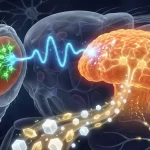
Because vitamin B12 plays an incredibly diverse role inside the human body, a drop in your levels impacts much more than just your daily stamina. Left unaddressed, a deficiency can gradually disrupt your circulatory system, compromise your nerve pathways, and alter cellular function. Understanding the subtle warning signs, dietary connections, and underlying biological causes of low B12 is the first step toward reclaiming your energy and protecting your long-term health.

Why Vitamin B12 Deficiency Can Hide Behind Ordinary Fatigue
The Biological Importance of Cobalamin
Vitamin B12, scientifically referred to as cobalamin, is a water-soluble nutrient that the human body is incapable of manufacturing on its own. To maintain optimal health, we must consistently secure this vitamin through the foods we eat, fortified products, or targeted dietary supplements.
Once absorbed, vitamin B12 works diligently behind the scenes to support three primary physiological pillars:
 A Kitchen Staple for Longevity: Why a Top Medical Professor Calls This Food His Absolute Favorite
Red Blood Cell Production: B12 is an essential building block for creating healthy, properly shaped red blood cells. Without it, your bone marrow produces abnormally large, fragile cells that cannot effectively transport oxygen throughout your body—a condition known as vitamin B12 deficiency anemia.
Neurological Integrity: This nutrient is critical for the maintenance of the myelin sheath, the protective coating that insulates your nerves and ensures rapid, seamless communication between your brain and your extremities.
Cellular Metabolism: B12 acts as a vital coenzyme, keeping everyday cellular work, DNA synthesis, and energy production moving smoothly.

The Problem with Slow Timing
What makes a B12 deficiency particularly tricky to diagnose is the body’s internal storage capacity. Unlike some water-soluble vitamins that exit the body quickly, the liver can store a substantial reserve of cobalamin that can last for several years. Consequently, if your intake or absorption drops, your internal reserves deplete very slowly. The warning signs can build up so gradually over months or years that you might completely miss them until the deficiency reaches an advanced stage.
Early and Advanced Warning Signs People Frequently Miss
Because the initial symptoms of low B12 are incredibly vague, they are frequently brushed aside. According to clinical resources from MedlinePlus, early-stage vitamin B12 deficiency anemia often presents as a cluster of subtle physical and emotional shifts:
Persistent, unyielding fatigue and frequent headaches
Brief spells of dizziness or lightheadedness during ordinary tasks
Shortness of breath or feeling unusually winded when climbing a flight of stairs
A noticeably pale or slightly yellowed skin tone
Sudden irritability, mood fluctuations, or a swollen, smooth, red tongue
The Neurological Threshold
As the deficiency progresses, more distinct neurological symptoms can begin interrupting your daily life. You might notice a strange numbness or a persistent “pins and needles” tingling sensation in your hands and feet. Your physical balance might feel slightly off when walking across a room, or you may struggle with sudden “brain fog” and a frustrating inability to concentrate on complex tasks.
Medical professionals take these specific neurological red flags incredibly seriously. According to the National Heart, Lung, and Blood Institute, nerve irritation and neurological damage can develop even in the complete absence of obvious blood anemia. This means a standard blood count test can look perfectly normal on paper, while a serious underlying B12 issue continues to silently compromise your nervous system.
Why Dietary Intake is Only Half the Story
When people discover their B12 levels are flagging, they often automatically assume it is the result of a poor diet. While inadequate dietary intake is certainly a primary cause—particularly among individuals who consume few or no animal products—it is far from the only culprit. In many cases, a deficiency occurs because the digestive tract has lost the ability to absorb the nutrient efficiently.
The Role of Intrinsic Factor and Pernicious Anemia
For successful B12 absorption to occur, your stomach lining must produce a specialized protein known as intrinsic factor. This protein binds directly to the vitamin B12 in your food, allowing it to be safely absorbed as it travels through your intestines.
Some individuals develop an autoimmune condition known as pernicious anemia, in which the body’s immune system mistakenly attacks the stomach cells responsible for creating intrinsic factor. Without this crucial protein, even a diet packed with B12-rich foods will fail to resolve the deficiency because the vitamin simply passes through the body unabsorbed.
Medication and Digestive Risk Factors
Your current medication regimen can also heavily influence your internal vitamin levels. For instance, the United Kingdom Medicines and Healthcare products Regulatory Agency has issued formal warnings highlighting that long-term use of metformin—a very common medication prescribed for type 2 diabetes management—can drastically reduce B12 absorption, particularly at higher doses or over extended durations.
Similarly, chronic use of acid-suppressing drugs, such as proton pump inhibitors (PPIs) or H2 blockers taken for chronic acid reflux, can stall B12 extraction. The stomach requires a highly acidic environment to untether vitamin B12 from food proteins; by neutralizing that stomach acid, these medications inadvertently limit the amount of usable B12 available for your body to take in.
Smart Food Sources for Keeping Levels High
If your digestive system is functioning perfectly and your low B12 is strictly a matter of dietary choices, making a few intentional shifts at mealtime can quickly turn things around. The richest, most bioavailable natural sources of cobalamin are found in animal-derived foods.
Incorporating Everyday Animal Proteins
You do not need to treat your diet like a complicated medical project to get adequate nutrition. Simple, everyday meals can easily fulfill your daily requirements:
Seafood Options: Enjoying a piece of baked salmon paired with roasted potatoes and a creamy yogurt sauce delivers an abundance of clean B12.
Quick Lunches: Whipping up a classic cheese and spinach omelet provides an excellent, protein-rich dose of cobalamin.
Comfort Foods: A simple, rustic cod and vegetable stew can easily introduce vital minerals to a family dinner.
Navigating a Plant-Based Diet Successfully
Because plant foods do not naturally produce vitamin B12, individuals adhering to a strict vegan or vegetarian diet must be highly intentional shoppers.
When preparing morning overnight oats or a blended fruit smoothie, check the ingredient labels on your plant-based milks (such as soy, oat, or almond milk) to ensure the manufacturer has explicitly fortified the product with B12. Incorporating fortified breakfast cereals, nutritional yeast, and high-quality supplements is often essential for plant-based eaters to bridge the nutritional gap safely.
| Food Category | Top B12 Sources | Average Benefit | Ideal For |
| Seafood & Shellfish | Salmon, Cod, Clams, Tuna | Extremely high bioavailability; packs omega-3s. | Seafood eaters & pescatarians. |
| Poultry & Meat | Beef, Chicken, Turkey, Pork | Excellent source of iron and zinc alongside B12. | Standard omnivorous diets. |
| Dairy & Eggs | Milk, Yogurt, Cheese, Whole Eggs | Easily accessible; great for morning meals. | Vegetarian-leaning diets. |
| Fortified Plant Options | Soy milk, Oat milk, Fortified Cereals | Essential for zero-animal-product lifestyles. | Strict vegans and vegetarians. |
When Dietary Changes Aren’t Enough: Medical Next Steps
If an underlying absorption issue, a long-term medication interaction, or an autoimmune condition like pernicious anemia is the true cause of your low levels, simply eating more salmon or fortified cereal will not solve the problem. Your body requires a clinical intervention to bypass the malfunctioning digestive pathways.
To correct a profound deficiency, healthcare providers will often recommend targeted oral supplements or a structured series of intramuscular B12 injections. Interestingly, a comprehensive review by the Cochrane Library highlighted that high-quality, high-dose oral B12 supplements can sometimes achieve a similar level of effectiveness as routine injections when it comes to normalizing blood levels. However, the ideal therapeutic path depends entirely on an individualized medical evaluation. The true goal is not just blindly taking vitamins, but diagnosing why your body became deficient in the first place.
Recognizing When to Ask for a Clear Blood Test
If you are dealing with persistent fatigue that refuses to lift despite adequate rest, or if you begin experiencing unexplained tingling in your limbs, frequent dizzy spells, or sudden memory slips, it is time to schedule a conversation with your physician.
Who Needs Closer Monitoring?
Certain demographics face a significantly higher statistical risk of developing a B12 deficiency and should prioritize routine screening:
Strict vegans and long-term vegetarians
Older adults, as stomach acid production naturally wanes with age
Individuals who have undergone gastric bypass or intestinal surgeries
Anyone managing chronic digestive conditions like Celiac or Crohn’s disease
Long-term users of metformin or daily acid-reducing medications
Deciphering the Lab Work
When investigating your health, a doctor will order a standard serum vitamin B12 blood test. However, if your results fall into a confusing borderline zone, they may add a highly sensitive secondary marker known as a Methylmalonic Acid (MMA) test. MMA levels naturally spike when the body lacks a sufficient amount of active, usable B12 at a cellular level, making it an incredibly precise tool for confirming a hidden deficiency before permanent nerve damage can occur.
Separating Look-Alike Symptoms for Lasting Vitality
It is important to emphasize that you do not need to panic over a single exhausting week. Chronic fatigue is a complex symptom that can stem from a wide array of completely unrelated health issues, including poor sleep hygiene, thyroid disorders, iron-deficiency anemia, underlying low-grade infections, or high emotional stress.
Nevertheless, when symptoms linger and begin creeping into your daily productivity or physical balance, they warrant an expert look. By speaking with a professional, ruling out look-alike issues, and optimizing your nutrient intake, you ensure this small but mighty vitamin can continue doing its massive job—keeping you energized, focused, and moving forward.
Frequently Asked Questions
Can taking too much Vitamin B12 be harmful to my body?
Because vitamin B12 is a water-soluble nutrient, the human body is incredibly efficient at filtering out what it does not need. When you consume more B12 than your body requires, the excess amounts are safely excreted through your urine. However, you should still follow the dosing guidelines provided by your doctor to avoid unnecessary supplement waste.
How long does it take to recover from a B12 deficiency once treatment begins?
The recovery timeline depends heavily on the severity and duration of the initial deficiency. Many individuals report a noticeable increase in their daily energy levels and mental clarity within the first few weeks of starting high-dose oral supplements or targeted injections. However, if the deficiency caused severe, long-term nerve issues, it can take several months for the neurological system to fully mend.
Is nutritional yeast a reliable source of B12 for vegans?
Yes, but with an important condition: you must double-check the product packaging. Natural, unfortified nutritional yeast does not contain vitamin B12. However, many popular brands specifically fortify their nutritional yeast flakes with a substantial dose of cobalamin, making it an excellent, savory, cheese-like topping for plant-based meals.
Why do older adults run a higher risk of developing a B12 deficiency?
As the human body ages, the stomach naturally produces less gastric acid and digestive enzymes—a condition known as atrophic gastritis. Because stomach acid is required to untie vitamin B12 from the natural proteins found in meat and dairy, older adults often struggle to extract the nutrient from traditional food sources, even if their overall dietary intake is high.
Can a standard multivitamin provide enough B12 to correct an active deficiency?
Standard daily multivitamins are excellent for maintaining baseline health, but they typically only contain the minimum recommended daily allowance of B12. If a clinical blood test confirms that you are actively deficient or suffering from a severe absorption roadblock, you will require specialized, highly concentrated therapeutic doses far beyond what a standard over-the-counter multivitamin can offer.