
Table of Contents
- 1. The Nutritional Building Blocks Found in Your Kitchen
- 2. 12 Everyday Kitchen Items You Can Repurpose as Plant Food
- 2.1. #1. Banana Peels: The Flowering Powerhouse
- 2.2. #2. Spent Coffee Grounds: A Gentle Nitrogen Boost
- 2.3. #3. Crushed Eggshells: Natural Structural Support
- 2.4. #4. Used Tea Leaves: Soil Texture and Micronutrients
- 2.5. #5. Vegetable Cooking Water: Recycled Mineral Drench
- 2.6. #6. Epsom Salt: Magnesium and Enzyme Activation
- 2.7. #7. Untreated Wood Ash: An Alkaline Potassium Supplement
- 2.8. #8. Homemade Compost Tea: Microscopic Liquid Gold
- 2.9. #9. Freshwater Aquarium Water: The Perfect Liquid Balanced Food
- 2.10. #10. Pure Molasses: Fueling the Soil Microbiome
- 2.11. #11. Fresh Grass Clippings: Fast-Acting Green Mulch
- 2.12. #12. Hair and Pet Fur: Long-Term Slow-Release Nitrogen
- 3. Strategic Implementation and Best Practices
- 4. Conclusion: Sustainable Growth Starts at Home
- 5. Frequently Asked Questions (FAQ)
12 Eco-Friendly Kitchen Scraps to Feed Your Garden This Spring
Every single day, we throw away valuable organic matter without a second thought. We peel bananas, empty coffee pots, crack eggs, and toss the remains directly into the trash bin. What looks like everyday kitchen refuse to us is actually a goldmine of macro and micronutrients to our household plants and backyard garden plots.
Utilizing homemade fertilizers is more than just an intelligent way to stick to a tight gardening budget. It is an incredibly sustainable, zero-waste lifestyle practice that directly reduces household landfill contributions, eliminates plant exposure to harsh synthetic chemicals, and naturally enriches the soil microbiome. Whether you are tending to a lush collection of indoor houseplants on a sunny window sill or cultivating heavy-producing tomato patches on a suburban patio, these twelve kitchen staples can help you grow robust foliage and vibrant flowers with minimal effort.
12 Eco-Friendly Kitchen Scraps to Feed Your Garden This Spring
The Nutritional Building Blocks Found in Your Kitchen
Before applying household food scraps to your containers or landscape beds, it is helpful to look at what these items provide. Just like industrial commercial fertilizers, natural elements deliver three primary components known as N-P-K: Nitrogen ($N$) for lush green leaf development, Phosphorus ($P$) for deep root infrastructure and blossom formation, and Potassium ($K$) for overall cellular health and disease resistance.
By strategically recycling specific kitchen byproducts, you can target the unique dietary requirements of different plant species without over-relying on synthetic box mixes.
12 Everyday Kitchen Items You Can Repurpose as Plant Food
#1. Banana Peels: The Flowering Powerhouse
Banana skins are an exceptional organic source of potassium and phosphorus. These minerals are highly coveted by heavy-blooming ornamentals and fruiting vegetables alike, making banana peels an excellent tonic for roses, bell peppers, and young fruit trees.
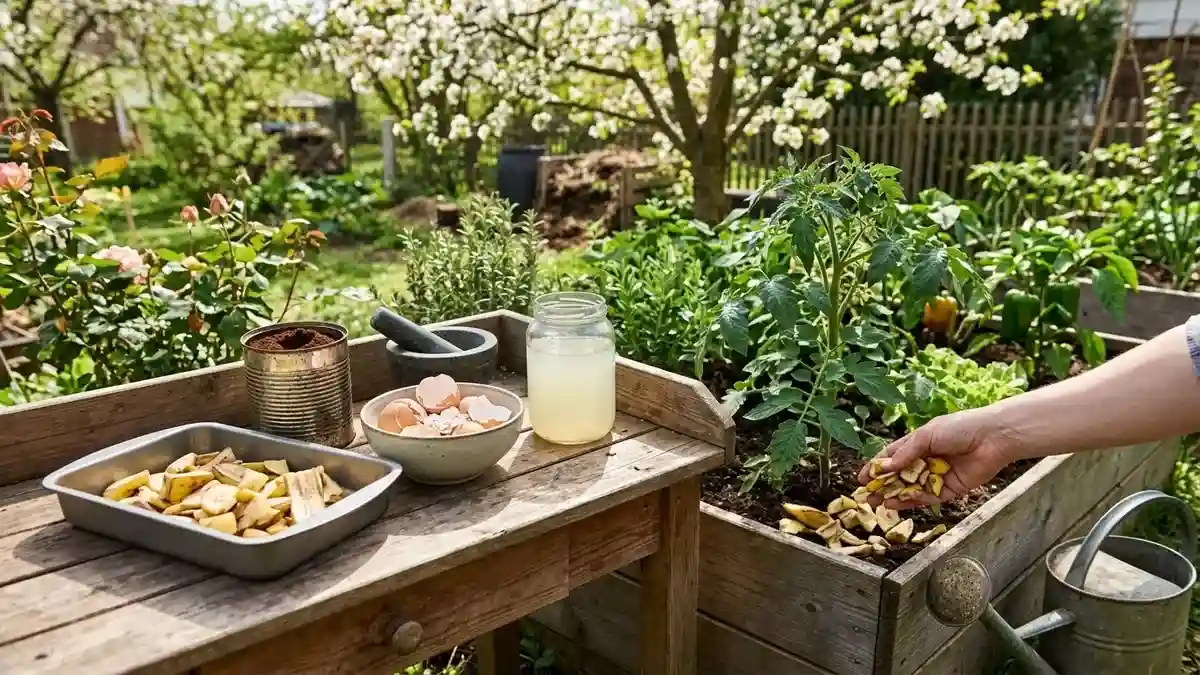
To use them effectively, chop the raw skins into tiny half-inch pieces with kitchen shears and bury them two to three inches deep within the drip line of your chosen plant. Alternatively, you can submerge fresh peels in a sealed glass jar filled with water for three to four days to brew a potassium-rich liquid “banana tea.” Strain out the solids and use the water during your regular irrigation routine.

#2. Spent Coffee Grounds: A Gentle Nitrogen Boost
If you brew a fresh pot of coffee every morning, you are sitting on a premium source of organic nitrogen. Nitrogen is the primary element responsible for driving the rapid, lush vegetative growth that leafy green vegetables, outdoor herbs, and tropical houseplants crave.
Because coffee beans are roasted, the remaining grounds carry a mildly acidic pH level. This makes them highly beneficial for acid-loving plants such as blueberries, azaleas, hydrangeas, and rhododendrons. To avoid a dense, compacted layer that restricts airflow, spread the grounds out on a baking sheet to dry completely before lightly sprinkling them around the base of your plants. You can also mix them directly into an active backyard compost pile to balance out dry leaves and twigs.
#3. Crushed Eggshells: Natural Structural Support
Eggshells are comprised of nearly 95% calcium carbonate, a crucial mineral that builds tough plant cell walls. A strong baseline of calcium in the soil is the ultimate defense against blossom-end rot, a frustrating physiological condition that causes the bottom of developing tomatoes, squash, and peppers to turn black and velvety.
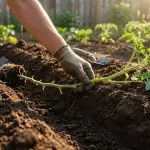
To prep eggshells for the garden, rinse out any raw egg residue to prevent foul odors, and allow them to air-dry completely. For optimal absorption, grind the dry shells down into a fine, flour-like powder using a standard kitchen blender or a heavy mortar and pestle. Work this powder straight into your potting soil during spring transplanting to give young root networks a steady, slow-release supply of structural nourishment.
#4. Used Tea Leaves: Soil Texture and Micronutrients
Much like coffee grounds, steepable tea leaves from green, black, or herbal varieties offer a gentle dose of organic nitrogen and vital trace minerals. When integrated into garden soil or container mixes, tea leaves break down rapidly, feeding local earthworms and boosting general soil aeration and moisture retention.
Before using them, ensure your tea blends do not contain artificial sweeteners, heavily processed syrups, or synthetic flavorings. If you use individual tea bags, verify that the outer casing is constructed from 100% natural, biodegradable fibers; if the bags contain any plastic weaving or metal staples, tear them open and scatter only the loose damp leaves across your flower beds.
#5. Vegetable Cooking Water: Recycled Mineral Drench
When you boil or steam fresh broccoli, potatoes, or carrots for dinner, a substantial portion of the vegetables’ internal vitamins and minerals—including potassium, calcium, and magnesium—leach directly out into the cooking water. Pouring this cloudy water down the kitchen drain is a missed opportunity for your plants.
Allow the boiling water to cool to room temperature. Once cooled, use this mineral-infused liquid to water your indoor pothos, ferns, or outdoor raised vegetable beds.
Critical Warning: Never use vegetable cooking water that has been seasoned with table salt. Excess sodium accumulation alters osmotic pressure, pulling moisture out of root systems and severely damaging the delicate soil structure.
#6. Epsom Salt: Magnesium and Enzyme Activation
Though typically stored in the bathroom cabinet rather than the kitchen pantry, Epsom salt is chemically known as magnesium sulfate. Magnesium is a foundational block of chlorophyll, the compound plants use to capture sunlight and power photosynthesis. Sulfur supports crucial enzyme functions and protein synthesis.
Plants that produce heavy fruit yields—especially tomatoes, peppers, and roses—reap immense benefits from an episodic magnesium boost. To create an easy liquid foliar spray, dissolve one tablespoon of pure Epsom salt into a gallon of water. Pour the mixture into a spray bottle and mist the leaves directly once a month, or pour it straight onto the native soil surrounding the root zone.
#7. Untreated Wood Ash: An Alkaline Potassium Supplement
If you operate a wood-burning stove or enjoy a clean backyard fire pit, the leftover ashes from untreated hardwoods are rich in potassium and calcium carbonate. Because wood ash behaves as a natural lime substitute, it effectively raises the pH of highly acidic or “sour” garden soils, making them more hospitable to plants that prefer neutral to alkaline conditions.
Always use wood ash sparingly; apply a very light dusting over your beds or integrate it directly into your outdoor compost pile to neutralize odors. Never harvest ash from wood that has been chemically pressure-treated, painted, or stained, as these industrial coatings introduce toxic heavy metals to your edible crops.
#8. Homemade Compost Tea: Microscopic Liquid Gold
Compost tea is a highly concentrated, biologically active tonic made by steeping cured, mature organic compost in clean water for 24 to 48 hours. This process allows beneficial microbes, fungi, and soluble nutrients to multiply and leach directly into the liquid suspension.
Once you strain out the solid matter, the resulting dark amber liquid serves as a powerful probiotic drench for delicate young seedlings, container gardens, or yellowing plants recovering from environmental shock. It rapidly populates the root zone with beneficial bacteria that make existing soil nutrients highly bioavailable.
#9. Freshwater Aquarium Water: The Perfect Liquid Balanced Food
If you own a freshwater fish tank, the dirty water you discard during a routine tank cleaning is a hidden asset. Fish waste, leftover food flakes, and decaying plant matter break down into natural nitrogens, phosphorus, and beneficial nitrifying bacteria, creating a mild organic liquid fertilizer.
Instead of dumping this water down the bathroom drain, scoop it up with a watering can and distribute it freely across your indoor houseplants or backyard ornamental beds.
Important Constraint: Only use water harvested from dedicated freshwater tanks. Saltwater aquarium drainage contains high sodium levels that will kill standard terrestrial vegetation.
#10. Pure Molasses: Fueling the Soil Microbiome
While unsulfured molasses does not contain significant levels of traditional N-P-K macronutrients, it functions as a carbohydrate-rich superfood for the millions of beneficial microorganisms dwelling beneath the soil surface. Healthy soil bacteria require simple sugars to fuel their reproduction and metabolic processes.
By mixing one tablespoon of unsulfured molasses into a gallon of warm water every few weeks, you create a sweet drench that drastically spikes local microbial activity. This helps the existing underground web process organic matter and deliver nutrients to your plants far more efficiently.
#11. Fresh Grass Clippings: Fast-Acting Green Mulch
After pushing the mower across your yard, save those fresh grass clippings. Green lawn trimmings are exceptionally rich in nitrogen.
When spread out thinly as a surface mulch around heavy-feeding garden vegetables like corn or tomatoes, they serve a dual purpose: they trap valuable soil moisture and suppress opportunistic weed seeds while gradually releasing nitrogen directly into the topsoil as they decompose. Ensure you never harvest clippings from lawns that have been treated with commercial synthetic weed-killers or pre-emergent herbicides, as these chemical residues can linger and stunt sensitive garden crops.
#12. Hair and Pet Fur: Long-Term Slow-Release Nitrogen
It might sound unusual at first, but clean human hair and pet fur from grooming brushes are comprised of keratin, a protein packed with organic nitrogen. As hair slowly decomposes over the course of a growing season, it continuously releases small trace elements into the surrounding earth.
When you pack a handful of fur or hair into the bottom of a deep planting hole or mix it thoroughly into a new container potting blend, it also physically assists with soil structure, building micro-cavities that aid in root aeration and prevent heavy clay soils from compacting.
Strategic Implementation and Best Practices
To extract the maximum value from these household remedies without creating unintended issues, always follow these four foundational rules:
Embrace Moderation: Just because a kitchen scrap is natural does not mean it cannot be overused. Excessively dumping thick layers of coffee grounds or wood ash over a garden bed can throw off the soil pH balance and cause severe nutrient deficiencies. Apply item supplements lightly and monitor plant reactions.
Bury Food Items Well: Whole banana peels, raw eggshells, and sweet fruit remnants left sitting directly exposed on top of the soil surface can quickly attract local wildlife, including neighborhood dogs, raccoons, and mice. Always work these items into the upper few inches of soil or cover them with a dense layer of wood mulch to mask the scent.
Ensure Proper Dehydration: When applying solids like coffee grounds or pulverized eggshells to indoor container plants, ensure they are 100% dry before introducing them to the pots. Introducing wet organic debris into a humid indoor environment can trigger the growth of unsightly gray mold and attract annoying fungus gnats.
Run an Annual Soil Test: A quick, inexpensive professional or digital soil test will reveal precisely which nutrients your garden is lacking, allowing you to choose the exact kitchen scrap remedy required rather than guessing blindly.
Conclusion: Sustainable Growth Starts at Home
Transforming everyday kitchen waste into premium plant food is one of the most rewarding steps you can take toward establishing a truly self-sustaining home. By taking a closer look at your household waste streams—from your morning coffee byproducts to your evening vegetable prep water—you can significantly cut down on plastic packaging, eliminate synthetic industrial chemical additives, and cultivate a highly active, living soil environment. Your garden will reward you with more vibrant flowers, deep resilient root networks, and a heavy, nutritious harvest.
Frequently Asked Questions (FAQ)
Can I put fresh kitchen scraps directly into potted houseplants?
It is usually best to process them first. Outdoor gardens have large networks of insects, earthworms, and sun exposure to break down raw items quickly. Inside a small indoor pot, raw scraps can rot, produce foul odors, and attract house pests like fruit flies and fungus gnats. Stick to liquid amendments like cooled vegetable cooking water or thoroughly dried, powdered coffee grounds for indoor containers.
Will using coffee grounds around my plants make the soil too acidic?
Used coffee grounds are only mildly acidic because the majority of the highly soluble acid leaches directly out into your morning coffee cup. While they are highly beneficial for acid-loving plants, using them in modest, balanced amounts will not cause a drastic drop in your overall soil pH.
How often should I apply these homemade kitchen fertilizers?
Because organic materials release their internal nutrients at a much slower, gentler pace than highly concentrated synthetic chemicals, you can generally use them every two to three weeks during the active spring and summer growing seasons. Scale back applications during late autumn and winter when plants enter dormancy.
Can I use any type of wood ash in my garden beds?
No. You must only use clean ash produced by burning natural, untreated, unpainted hardwoods. Never use ash gathered from manufactured charcoal briquettes, pressure-treated lumber, or old painted furniture, as these materials release dangerous chemicals and heavy metals into your food web.
Why did animals start digging in my garden beds after I added eggshells and banana peels?
Wild animals possess an incredibly sharp sense of smell. If kitchen scraps are simply dropped on top of bare dirt, raccoons, skunks, and dogs will dig up the area searching for a meal. Always bury your solid scraps at least three to four inches deep beneath the soil surface, or blend them completely into a secure, covered compost bin first.