
Table of Contents
- 1. The Science: Why Wood Ash Preserves Fruit
- 1.1. Ultimate Moisture Control
- 1.2. Natural Antimicrobial Barrier
- 1.3. Elimination of Fruit-to-Fruit Contact
- 2. What You Need to Get Started
- 3. Step-by-Step Guide to Packing Tomatoes in Ash
- 4. Expected Shelf Life and Maintenance
- 5. Frequently Asked Questions
- 5.1. Does the wood ash change the flavor of the tomatoes?
- 5.2. Can I use ash from a backyard fire pit or charcoal grill?
- 5.3. Should I store green tomatoes using this method to let them ripen?
- 5.4. What happens if one tomato in the box goes bad?
- 5.5. Where is the best place in a modern home to store the container?
The Ancient Wood Ash Trick to Keep Tomatoes Fresh for Months After Harvest
The peak of summer brings an undeniable joy to gardeners: the massive tomato explosion. One week you are patiently waiting for a single green fruit to turn pink, and the next, your kitchen counters are completely buried under a mountain of ripe, juicy heirlooms. While canning, freezing, and making sauce are excellent ways to handle a bumper crop, nothing beats the taste of a truly fresh, raw tomato.
Unfortunately, standard refrigeration ruins their delicate texture, turning the flesh mealy and destroying those rich, sun-ripened flavor compounds. If you find yourself running out of counter space and want to stretch your fresh harvest straight into the winter months, the ultimate solution requires no electricity, no expensive gadgets, and no chemical preservatives. Instead, it relies on an ancient homesteading secret: clean wood ash.
Using fine gray ash left over from a wood-burning stove or fireplace is a time-tested preservation method used by various cultures for generations. Here is a complete guide to how this natural preservation technique works, why it is so effective, and how to set up your own backyard storage system.
The Ancient Wood Ash Trick to Keep Tomatoes Fresh for Months After Harvest
The Science: Why Wood Ash Preserves Fruit
At first glance, burying your pristine, homegrown produce in a box of fireplace ash might seem counterintuitive. However, the physical and chemical properties of wood ash make it a nearly perfect natural preservative.
Ultimate Moisture Control
Excess moisture is the number one enemy of a harvested tomato. Damp skin invites fungal spores, mold, and bacteria to take hold, causing the fruit to rot within days. Clean wood ash acts as a gentle, natural desiccant. It absorbs microscopic droplets of ambient moisture from the air and the surface of the fruit, keeping the environment perfectly dry without completely dehydrating the tomato.

Natural Antimicrobial Barrier
Wood ash is naturally alkaline. This high pH level creates an environment that is incredibly hostile to mold, mildew, and common spoilage bacteria. By coating the fruit in ash, you are essentially wrapping it in a protective, sterile shield that prevents pathogens from establishing a foothold.
Elimination of Fruit-to-Fruit Contact
When tomatoes are piled into bowls or boxes, they press against one another. If a single tomato begins to spoil, the rot quickly transfers to its neighbors, ruining the entire batch. Packing tomatoes individually in a dense bed of ash ensures that no two fruits ever touch, completely isolating any potential spoilage. Additionally, the tight pack restricts heavy airflow, slowing down the natural aging and ripening process of the fruit.
What You Need to Get Started
Before you begin packing away your harvest, gather these simple supplies.

Firm, Ripe Tomatoes: Select perfect specimens. They should be fully ripe but still firm to the touch, with absolutely no cracks, bruises, blemishes, or soft spots.
Clean Wood Ash: Use only fine, thoroughly cooled ash from clean, untreated firewood (like oak, maple, or birch). Never use ash from pressure-treated lumber, painted wood, pallets, or charcoal briquettes, as these contain toxic chemicals that can leach into your food.
A Sifter or Fine Mesh Strainer: To remove any unburned chunks of charcoal or debris from the ash.
A Sturdy Storage Container: A deep cardboard box, wooden crate, or plastic storage bin works perfectly.
A Cool, Dark Location: A root cellar, unheated basement, dark pantry, or a cool closet floor.
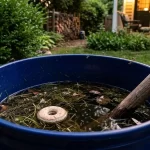
Step-by-Step Guide to Packing Tomatoes in Ash
To maximize the shelf life of your harvest, the packing process must be done carefully. Follow this sequence to set up your storage box.
Expected Shelf Life and Maintenance
When stored properly using this traditional method, tomatoes can easily remain fresh, plump, and firm for two to four months. Depending on the specific variety—thicker-skinned paste tomatoes and storage varieties tend to perform best—some gardeners successfully keep their tomatoes pristine well into the fifth month.
When you dig a tomato out of the box in December, simply rinse the powdery ash off under cool kitchen water. The skin will look tight, and most importantly, it will still retain that rich, sweet, homegrown flavor that grocery store tomatoes lack.
Crucial Maintenance Tip: Check on your storage box every two to three weeks. Gently feel the top layer of ash. If the storage area has been humid and the ash feels noticeably damp or clumpy, carefully remove the tomatoes and repack them using a fresh batch of completely dry, sifted wood ash.
Frequently Asked Questions
Does the wood ash change the flavor of the tomatoes?
Not at all. Because a tomato has a smooth, non-porous skin, the ash does not penetrate into the flesh. Once you rinse the fine gray powder off under the tap, the tomato will taste exactly as it did the day you picked it from the vine.
Can I use ash from a backyard fire pit or charcoal grill?
You can use fire pit ash only if you burned clean, natural logs. Never use ash from commercial charcoal briquettes, lighter fluid, or wood that has been chemically treated, painted, or stained, as these substances leave behind toxic residues that are unsafe for food contact.
Should I store green tomatoes using this method to let them ripen?
It is best to use this specific method for tomatoes that are already ripe but still very firm. Green tomatoes need a bit of humidity and airflow to ripen properly. If you bury green tomatoes in dry ash, the moisture-absorbing properties may cause them to shrivel before they have a chance to mature.
What happens if one tomato in the box goes bad?
Because the dense wood ash completely surrounds and isolates each individual fruit, a single bad tomato will not ruin the rest of the batch. The rot will be contained within its own small pocket of ash, preventing it from spreading to neighboring fruits.
Where is the best place in a modern home to store the container?
Look for the coolest, darkest, and driest spot available. An unheated basement, a dark kitchen pantry away from appliances, a root cellar, or even the floor of a cool closet on an exterior wall are all excellent choices. Avoid damp crawlspaces or high-humidity laundry rooms.