
Table of Contents
- 1. What Exactly Is Diatomaceous Earth?
- 2. 1. Mastering Garden Pest Control
- 3. 2. Shielding Your Vegetable Beds
- 4. 3. A Holistic Approach to Fleas and Ticks
- 5. 4. Natural Deodorizing for the Home
- 6. 5. Safeguarding Your Pantry
- 7. 6. A Non-Toxic Scouring Agent
- 8. 7. Maintaining a Healthy Coop or Barn
- 9. Best Practices for Success
- 10. Frequently Asked Questions (FAQ)
- 10.1. Is diatomaceous earth safe for my children?
- 10.2. Can I use pool-grade DE for my garden?
- 10.3. Does it kill beneficial insects like bees?
- 10.4. How often should I reapply it?
- 10.5. Can it really help with pet odors?
7 Ways Diatomaceous Earth Will Transform Your Home and Garden
Are you searching for a powerhouse solution that tackles everything from garden pests to household odors without relying on harsh synthetic chemicals? Look no further than diatomaceous earth (DE). Often considered the “best-kept secret” of organic gardeners and eco-conscious homeowners, this naturally occurring, mineral-based powder is a true multitasker.
While it looks like a simple, fine white chalk, diatomaceous earth is actually composed of the fossilized remains of ancient aquatic organisms known as diatoms. At a microscopic level, these particles are jagged and sharp—a lethal combination for crawling insects, yet completely safe for humans and pets when the correct grade is used. By integrating this versatile substance into your routine, you can create a healthier, more sustainable environment inside and out.
7 Ways Diatomaceous Earth Will Transform Your Home and Garden

What Exactly Is Diatomaceous Earth?
Before diving into its applications, it is crucial to understand what you are working with. Diatomaceous earth is a sedimentary rock that is easily crumbled into a fine powder. Its effectiveness lies in its physical—rather than chemical—mode of action. When an insect comes into contact with the powder, the microscopic shards scratch the pest’s protective waxy exoskeleton. This causes the insect to dehydrate and perish naturally.
Important Safety Note: Always ensure you are purchasing “food-grade” diatomaceous earth. Industrial or pool-grade DE is treated with high heat and chemicals, making it unsuitable for use around the home, garden, or pets.
1. Mastering Garden Pest Control
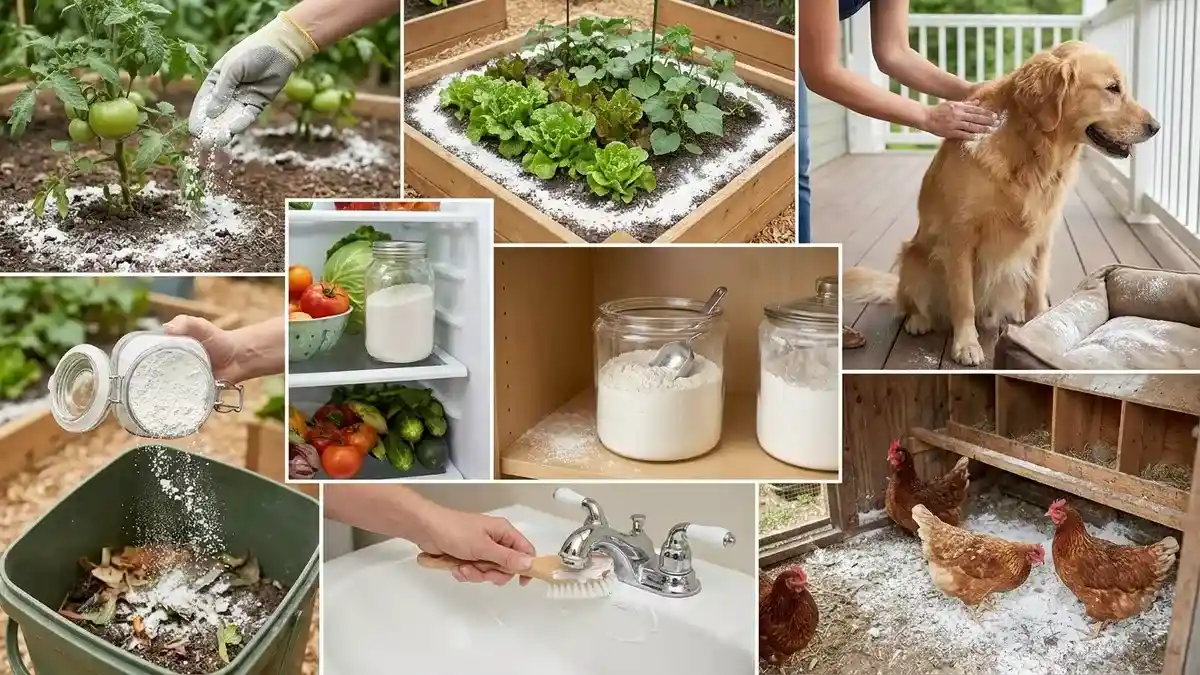
Every gardener knows the frustration of walking out to find prize-winning plants decimated by unwanted visitors. Whether you are dealing with aphids, beetles, earwigs, or slugs, DE acts as a formidable line of defense.
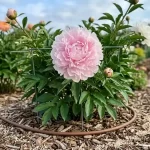
Application Strategy: Dust a light coating around the base of your plants or directly onto the soil surface. To increase coverage, many experienced gardeners mix the DE with a small amount of flour or cornmeal; this not only helps it stick better but can also act as an attractant for specific pests.
The Weather Factor: Remember that DE functions by staying dry. If you experience a heavy rain or if you use overhead watering systems, you will need to reapply the powder to maintain its efficacy.
2. Shielding Your Vegetable Beds
Protecting edible crops requires a cautious approach to pesticides. Because food-grade diatomaceous earth is non-toxic, it is an ideal alternative for vegetable patches. By creating a physical barrier around the stems of delicate plants like kale, lettuce, and cucumbers, you stop pests in their tracks before they can reach your harvest. It provides peace of mind, knowing your greens are protected without chemical residues—just remember to give your produce a quick rinse before eating.

3. A Holistic Approach to Fleas and Ticks
Our pets are family, and keeping them comfortable is a top priority. Instead of relying solely on heavy chemical collars or topical drops, many pet owners use food-grade DE to help manage external parasites.
For Furry Friends: Gently massage a small amount of powder into your pet’s coat, being extremely careful to avoid their eyes, nose, and mouth.
For the Environment: Pests often hide in carpets and pet bedding. A light dusting on these surfaces, followed by a thorough vacuuming after a few hours, can significantly reduce the population of fleas and mites in your home.
4. Natural Deodorizing for the Home
DE is remarkably absorbent, making it a fantastic tool for odor management. It works by absorbing moisture—which is often the source of bad smells—and neutralizing odors on contact.
Refrigerator: Place a small, open jar of DE in the back of your fridge to keep the air smelling crisp.
Compost and Waste: A light sprinkle in your compost bin or at the bottom of your indoor garbage cans can neutralize unpleasant smells and soak up excess liquid, preventing leaks and flies.
5. Safeguarding Your Pantry
There is nothing more disheartening than finding moths or weevils in your flour, oats, or rice. To protect your dry goods, consider adding a teaspoon of food-grade DE to your storage containers. It is flavorless, odorless, and safe if consumed in trace amounts. Furthermore, you can dust the corners of your pantry shelves to create a protective perimeter that deters crawling insects from exploring your storage area.
6. A Non-Toxic Scouring Agent
Why rely on caustic chemicals to clean your home when you have a natural abrasive on hand? Diatomaceous earth’s texture makes it perfect for scrubbing away tough grime on tile, porcelain sinks, and bathtubs. By mixing it with a small amount of water or vinegar, you can create a powerful cleaning paste. It cuts through grease and soap scum without scratching surfaces, leaving your fixtures sparkling clean. It is also a lifesaver for absorbing oily spills in the garage or on countertops.
7. Maintaining a Healthy Coop or Barn
If you keep chickens or livestock, DE is an absolute necessity. Adding it to nesting boxes, coop floors, and dust baths helps manage mites, lice, and flies. Poultry naturally love “dust bathing,” and coating these areas in DE helps keep their skin and feathers healthy. Beyond pest management, it keeps the environment dry, which is essential for reducing ammonia odors and promoting better respiratory health for your animals.
Best Practices for Success
To get the most out of your diatomaceous earth, keep these tips in mind:
Wear Protection: While food-grade DE is safe, it is a very fine powder. Avoid inhaling it by wearing a simple dust mask during application.
Store Properly: Keep your supply in a sealed, airtight container in a dry location. Moisture is the enemy of effectiveness.
Consistency is Key: DE is a preventative tool. Reapply after any moisture exposure, and stay vigilant in areas where pests are prone to congregate.
Frequently Asked Questions (FAQ)
Is diatomaceous earth safe for my children?
Yes, food-grade diatomaceous earth is non-toxic and safe to have in the home. However, it is a fine powder that can irritate the lungs if inhaled, so keep it out of reach of children and apply it when they are not in the immediate area.
Can I use pool-grade DE for my garden?
Absolutely not. Pool-grade DE is chemically treated and highly crystalline, which makes it dangerous to handle and toxic to breathe. Always look for the “food-grade” label.
Does it kill beneficial insects like bees?
DE is a non-selective substance, meaning it will impact any insect that comes into direct contact with it. To protect pollinators, avoid dusting open flower blooms where bees and butterflies are actively feeding.
How often should I reapply it?
You should reapply it whenever it becomes wet. If you are using it in a dry location, it can remain effective for weeks; however, it is best to check the area periodically to ensure it hasn’t been blown away or covered by dust.
Can it really help with pet odors?
Yes. Because it is highly porous, it excels at soaking up moisture and trapping odors. It is a common additive in many natural cat litter brands for this exact reason.
By embracing diatomaceous earth, you are choosing a simple, sustainable, and highly effective way to manage your home and garden. It is a testament to the idea that sometimes the most powerful tools are the ones found right in nature.